
Spring Home Maintenance Checklist: What Every Homeowner Should Do Before Summer
Every spring, homeowners end up dealing with something that could have been caught months ago. A roof leak showed up quietly in February. An AC that quit on the first really hot day. A sump pump has not been checked since last year. Most of these aren't bad luck; they're just things that didn't get looked at. This checklist covers every major system in your home so you can head into summer without any surprises.
Why Spring Home Maintenance Matters
The average unexpected home repair runs somewhere between $1,000 and $5,000. And most of the time, the system that failed was giving off warning signs for weeks before it actually quit, a slow drain, a thermostat that seemed a little off, an outdoor faucet that didn't quite feel right. Winter beats up every major system in your home. Summer puts them all back under load. The stretch between the two seasons is when a few hours of attention actually pay off.
Exterior Home Maintenance
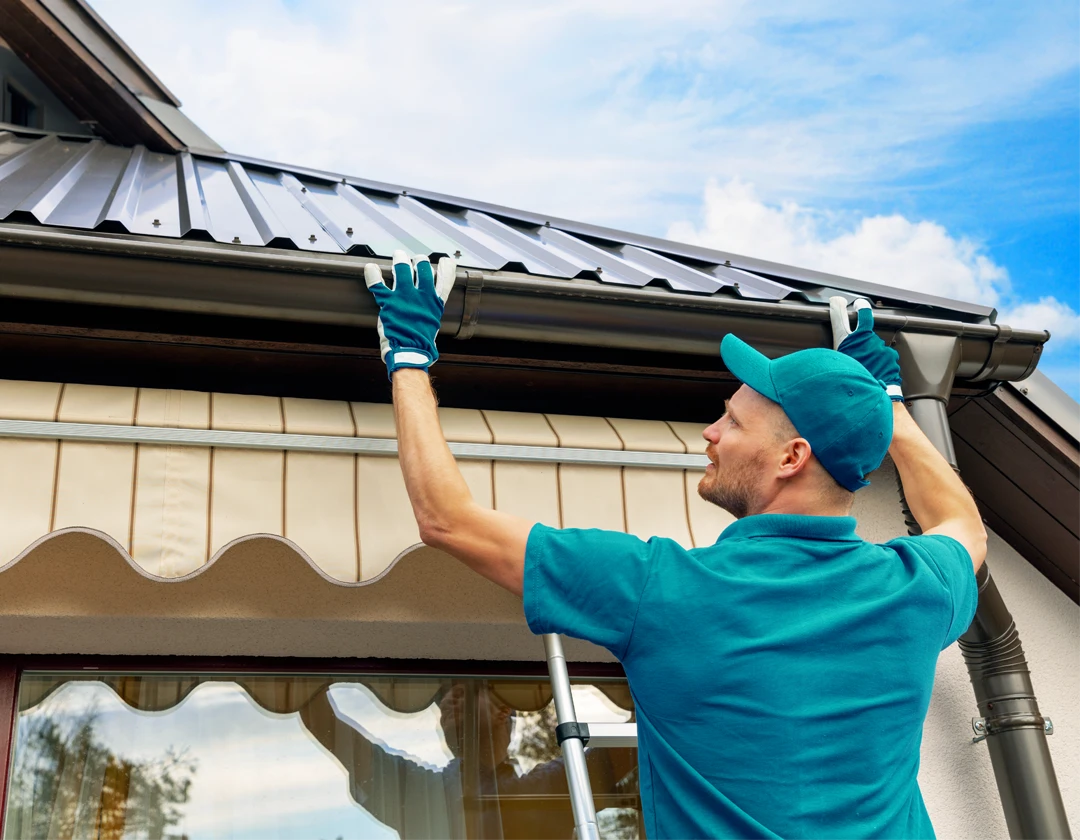
Roof Inspection: No need to get up there. Binoculars from the ground work fine. Walk around the house and look for shingles that are cracked, lifting, or gone. Check the flashing around the chimneys, too. Roof damage that gets ignored through the spring rain season almost always turns into something bigger and more expensive.
Gutters and Downspouts Clogged gutters are one of the main reasons homeowners end up with foundation problems and basement water damage. Clean them out and confirm the downspouts are pushing water at least three feet away from the house.
Outdoor Faucets and Exterior Water Lines Turn them on. Watch for drips or low pressure, a line that cracked over winter won't always make it obvious until you go to actually use it. Also worth checking if the yard has any soft spots or slow drainage near your sewer line.
Foundation Walk the perimeter after a rain and look for new cracks or spots where water sits. Small hairline cracks in concrete are pretty normal. Anything that looks wider than it should be, or that seems to be growing, is worth having someone look at.
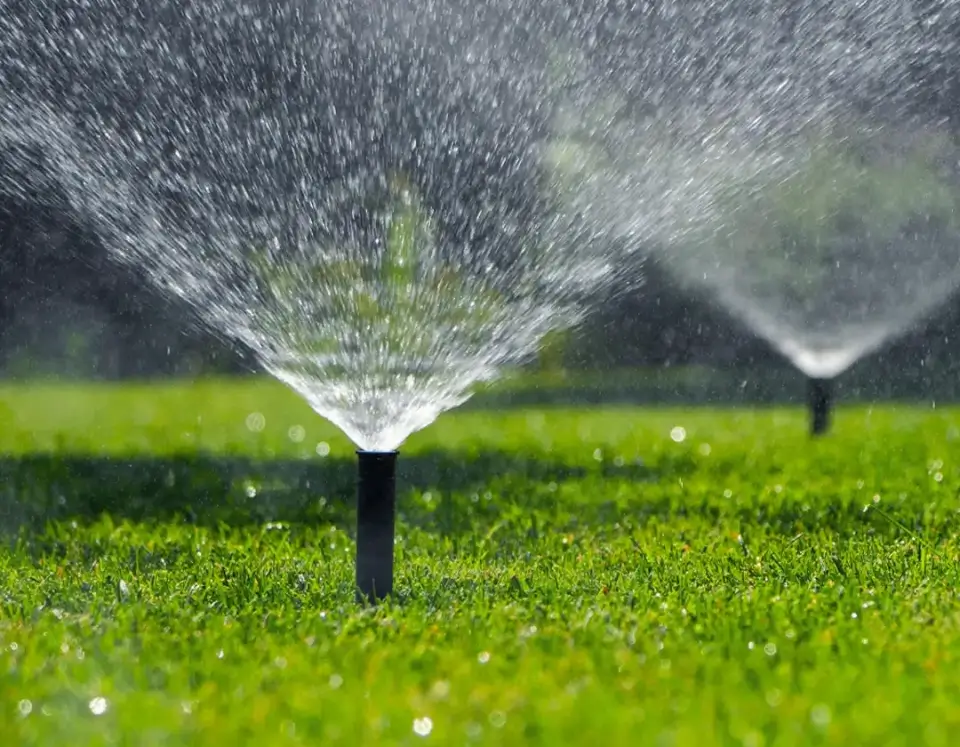
Sprinkler System Run every zone and look for heads that are broken, spraying sideways, or not coming up at all. A cracked irrigation line is a straightforward fix in the spring. It gets more complicated after you've watered over it all summer.
HVAC and Spring AC Tune-Up
Book the HVAC tech before you actually need the AC. This is the one people skip every year and then regret when the first heat wave rolls in and nobody's available for two weeks. Call in March or early April, choose who you want, and have them check the coils, refrigerant, and electrical connections.
A few things to handle yourself while you're thinking about it , swap the air filter if it hasn't been changed since fall, and clear the debris from around the outdoor condenser unit. Leaves and sticks pile up over winter and restrict airflow more than most people expect.
Then flip the thermostat to cooling mode before you need it. If the system runs but the air coming out isn't actually cold, that's a problem you want to solve in April, not June.
Leaky ductwork is also worth checking. Gaps and disconnected sections can cut your system's efficiency by 20-30%, which shows up directly on your energy bills all summer.
Spring Plumbing Checklist
Under the Sinks Open the cabinet doors and take a look. Slow drips hide in there for months and usually don't get noticed until there's water damage or mold to deal with. A few seconds of looking now saves a real headache later.
Water Heater Flushing the tank once a year clears out the sediment that settles at the bottom and makes the unit work harder than it should. Most water heaters last somewhere between 8 and 12 years; regular maintenance is a big part of getting there.
Sump Pump Pour a bucket of water into the pit and confirm it kicks on. Spring is when you need that pump working. Finding out it failed over winter is a much worse problem when it's actively raining.
Toilets A running toilet wastes more water than most people think, hundreds of gallons a month in some cases. A toilet that rocks when you sit on it usually means the wax ring is starting to fail. Both are cheap and easy to fix early. Neither gets better on its own.
Home Electrical Maintenance
GFCI Outlets. These are the outlets with test and reset buttons, in bathrooms, the kitchen, garage, and outdoors. Hit test and confirm the outlet cuts power. Hit reset and confirm it comes back. Replace any that don't respond right.
Smoke and Carbon Monoxide Detectors: Test every unit and swap batteries in the battery-powered ones. Do it every spring so it's not the kind of thing you have to remember; it just happens.
Electrical Panel Look for tripped breakers or any that feel warm. A burning smell or breakers that keep tripping mean calling a licensed electrician. That's not something to sit on.
Garage Door Opener: Lay a 2x4 flat on the ground in the door's path and run it down. It should reverse when it hits the board. If it doesn't, that's a safety issue. Lubricate the chain or belt and check for anything that looks worn.
Interior Home Systems
Attic Water stains on the insulation or rafters are a sign of a slow roof leak that hasn't made it to your ceiling yet. Also, look for signs of rodents, mice, and squirrels that tend to move inside when it gets cold and don't always leave on their own.
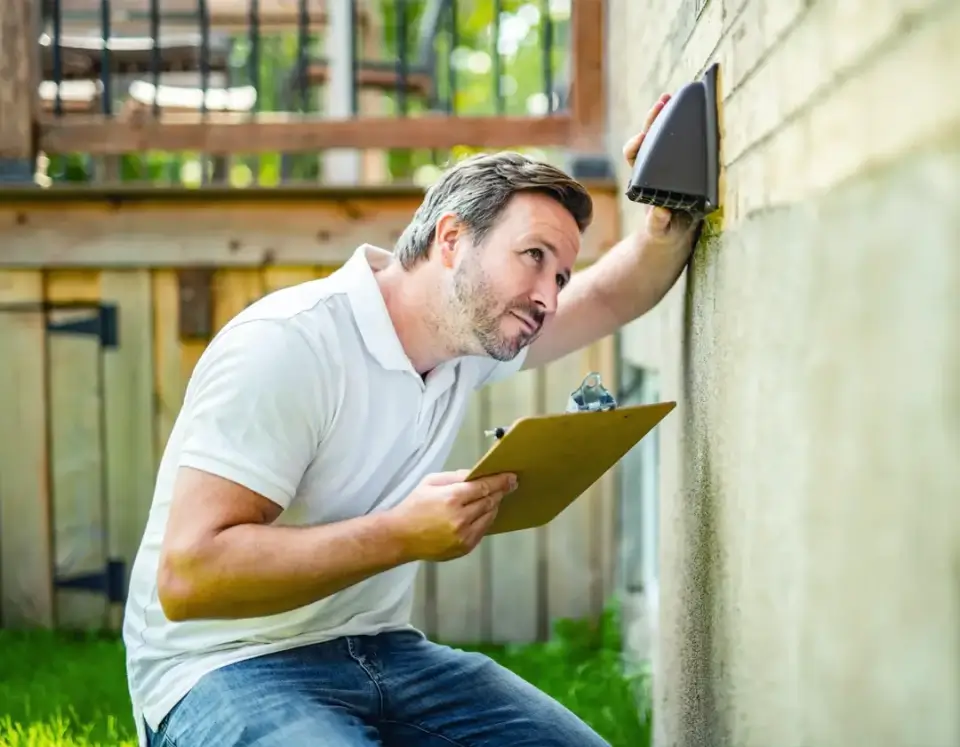
Dryer Vent Lint buildup in the vent duct is one of the more common causes of house fires and one of the easiest things to overlook. Disconnect the duct from the back of the dryer, clear it out, and check the cap on the exterior of the house, too.
Ceiling Fans Switch to counterclockwise for summer. It pushes cool air down instead of pulling it up, which takes some load off the AC. Check that the blades are balanced and the motor sounds normal.
Window and Door Seals: Run your hand around the edges on a windy day. Feel air coming through? The weatherstripping is done. New seals are inexpensive and you'll notice the difference on your energy bill.
When Maintenance Isn't Enough
Staying on top of your home cuts down on repairs, but it doesn't eliminate them. Systems wear out. Things break at inconvenient times. And when they do, the cost lands on you.
An APHW home warranty covers many of the major systems on this list: HVAC, plumbing, water heater, electrical, roof, sump pump, and more. What sets APHW apart from other home warranty companies is that you pick your own licensed contractor. You're not waiting on whoever the company sends. You call who you trust, they diagnose the issue, and APHW works with them directly on the covered repair.
Spring is a good time to review what you're covered for, or start a plan if you don't have one.
Call 800.648.5006 or visit APHW.com to see what's covered or get started.
Terms and conditions apply. Coverage varies by plan. Refer to your service agreement for full details.
