
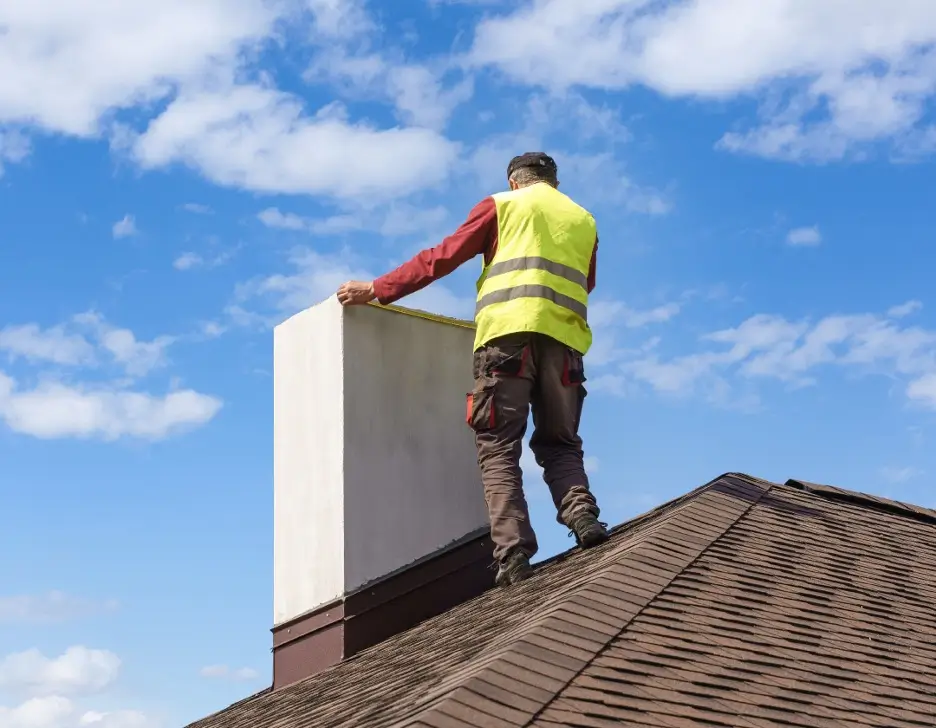
When was the last time you really inspected your roof and chimney?
These two elements play a crucial role in protecting your home from the elements. Without regular inspections, small issues can escalate into costly repairs or safety hazards. Whether it’s been a while or you’re preparing to sell your home, this checklist will help you assess the condition of your roof and chimney with confidence.
Roof Exterior
The most effective way to inspect your roof is to walk it carefully—but only if it’s safe to do so. If you’re uncomfortable getting up there, use binoculars from the ground, view it from a ladder, or consider drone photography. When in doubt, hire a professional.
Here’s what to look for:
- Missing, damaged, or loose shingles or tiles
- Sagging areas or unevenness that may indicate structural issues
- Damaged flashing around chimneys, vents, skylights, and roof edges
- Clogged, broken, or improperly draining gutters and downspouts
Chimney Exterior
If your fireplace gets regular use, checking the chimney is just as important as inspecting the roof.
Key areas to inspect:
- Cracks in the masonry, crumbling mortar, or loose bricks
- Damaged or missing chimney caps, which keep out water and debris
- Cracked or deteriorating chimney crown
- Clearances between the chimney and any combustible materials
- Presence of a spark arrestor or cap to prevent embers from escaping
- A visible liner—if you only see brick inside the flue, it may not be lined
- Proper chimney height and distance from the roofline (per building code)
- Tree branches or hazards near the chimney
- Flashing around the chimney for tight sealing
- Vegetation or debris buildup on or around the chimney
Chimney Interior
The interior of your chimney needs just as much attention as the outside. Here’s what to inspect:
- Proper ventilation to prevent carbon monoxide buildup
- Cracks or deterioration in the flue liner
- Damper function and condition
- Signs of soot or creosote buildup (both fire hazards)
- Blockages or nests that can obstruct airflow
Roof Interior (Attic)
Issues inside your attic often reflect problems on your roof—and they’re easier to spot than you think.
Check for:
- Water stains or leaks on ceilings or walls
- Sunlight coming through cracks or gaps in the roof
- Damaged or improperly installed insulation
- Signs of pests or nesting animals
- Mold, mildew, or excessive humidity, which indicate poor ventilation
Documentation and Professional Inspection
Keep a detailed log of every inspection, repair, or update related to your roof and chimney. This record helps identify recurring issues and serves as valuable documentation for future repairs or home resale.
For the most thorough results, consider hiring a certified roofing contractor or professional chimney sweep. A trained expert will spot issues you might miss and can provide recommendations tailored to your home’s needs.
Keep Your (Literal) Roof Over Your Head
Regular inspections are key to the safety and longevity of your roof and chimney. If you’re unsure about what you’re seeing or if major damage is present, don’t hesitate to call a professional. The Chimney Safety Institute of America recommends an annual chimney cleaning and inspection by a certified technician.
Taking the time now can prevent serious damage later.
Click HERE to get your free quote today!
