
Lifespan of Major Home Appliances: When to Plan for Replacement
Modern homes rely on a small group of machines that quietly shoulder daily life. They cool food, clean clothes, heat water, and keep indoor air moving. When they work, they fade into the background. When they fail, routines break and costs rise fast. Wise homeowners plan ahead. They understand appliance lifespan, know when to replace appliances, and approach appliance replacement planning with clear eyes.
This guide lays out what to expect from major home appliances, how to read the warning signs of decline, and how to time replacement before failure forces a bad decision.
Why Appliance Lifespan Matters
Every appliance has a working life shaped by use, care, and build quality. No appliance or home system lasts forever. Knowing average lifespans gives homeowners leverage. It allows time to save, research models, and schedule replacement on your terms.
Waiting until a breakdown often leads to rushed purchases, higher costs, and disruption. Planning ahead creates calm. It also protects budgets.
Pro tip: One strategy is to use a sinking fund for repairs and upkeep throughout the year. That way, no breakdown comes as a surprise.
Refrigerators
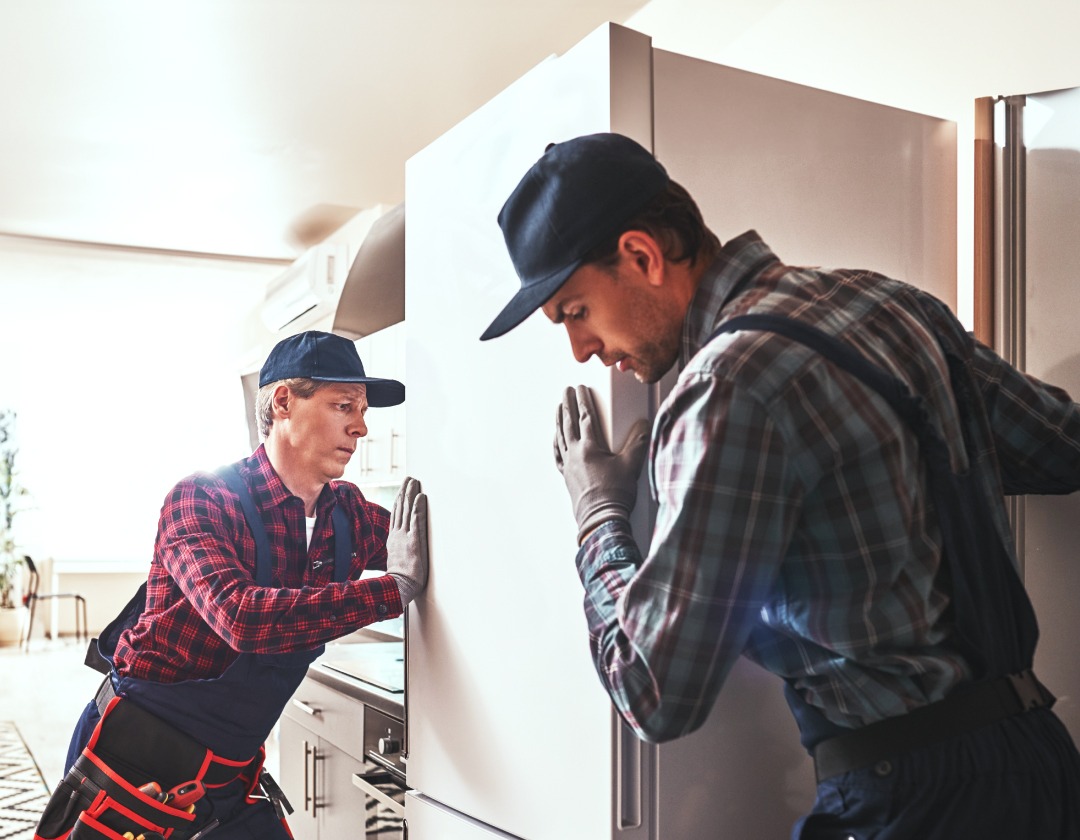
A refrigerator works every hour of every day. Because of that constant load, its lifespan matters more than most appliances throughout your home.
Most refrigerators last 10 to 15 years. Basic top freezer models tend to last longer than feature heavy units. Ice makers, digital controls, and door dispensers add complexity and failure points.
Signs it may be time to replace include uneven cooling, rising energy bills, frequent compressor cycling, and moisture inside the cabinet. Repairs involving compressors or sealed systems often cost more than the value of an aging unit.
Planning tip: If your refrigerator passes the ten-year mark, begin saving for replacement even if it runs well.
Dishwashers
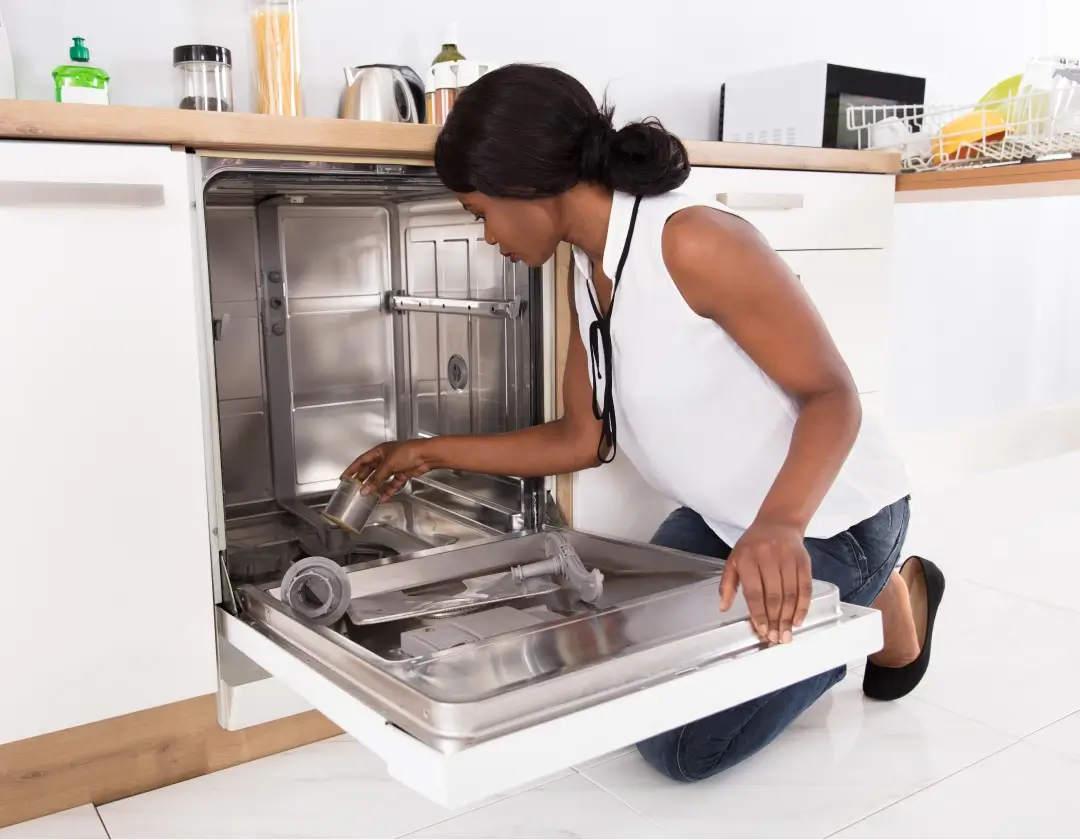
Dishwashers live hard lives. Heat, moisture, and detergent take their toll.
The typical dishwasher lasts 8 to 12 years. Budget models may fall short. Higher end units with stainless steel tubs often last longer.
Warning signs include poor cleaning results, standing water after cycles, unusual noises, and leaks around the door. Control board failures are common in older models and rarely cheap.
If repairs approach half the cost of a new unit, replacement usually makes sense. The best way to extend the life of your dishwasher is to keep up regular maintenance throughout the year.
Washing Machines
Washers fail in two main ways. Mechanical wear in top loaders and electronic failure in front loaders.
Top load washers average 10 to 14 years. Front load models tend to last 8 to 12 years, though high quality machines can exceed that range.
Signs of decline include loud spin cycles, water leaks, mold odors that persist after cleaning, and repeated balance errors. Drum bearing failure often signals the end. Repairs can be expensive and labor intensive.
If a washer nears ten years old, planning replacement is wise.
Dryers
Dryers are simpler machines, which helps their longevity.
Most dryers last 10 to 13 years. Gas and electric models fall in a similar range. Heating elements and igniters are common failure points but are often affordable to repair.
Replace when the drum no longer turns reliably, heat becomes inconsistent, or repairs stack up. Poor drying performance may also point to venting issues, so rule that out before replacing.
Ranges and Ovens
Cooking appliances age well compared to others.
Gas ranges often last 13 to 18 years. Electric models average 10 to 15 years. Fewer moving parts means fewer failures.
Signs of decline include uneven heating, failing igniters, broken controls, and door seal damage. Control boards can be costly to replace in older units.
If cooking performance drops and repairs pile up, replacement restores reliability and safety.
Microwaves
Microwaves live short lives by design. And not all microwaves are created equal.
Most countertop and over the range units last 7 to 10 years. Magnetrons, the heart of the appliance, are rarely worth replacing.
Warning signs include loud humming, weak heating, sparking, or keypad failure. Replacement is usually more economical than repair once major components fail.
Water Heaters
Water heaters work quietly until they fail suddenly.
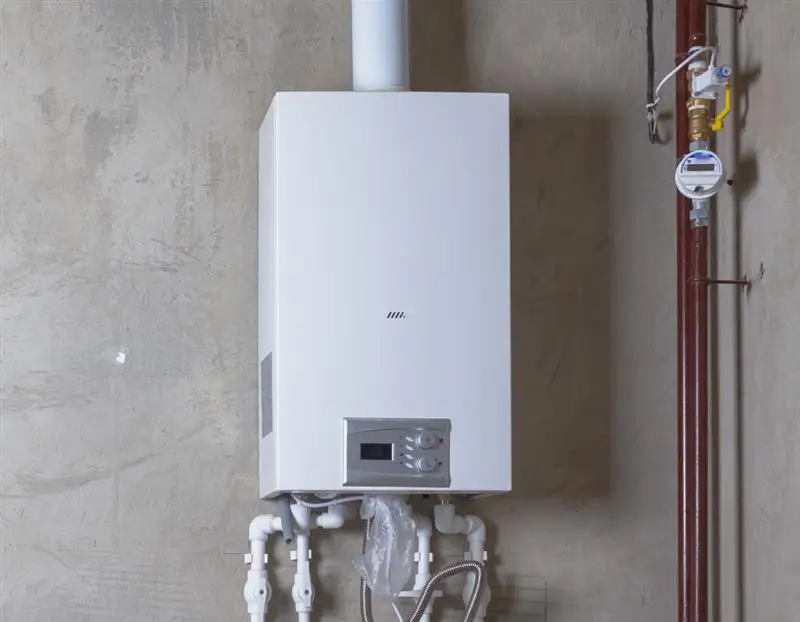
Tank style water heaters last 8 to 12 years on average. Tankless units often reach 15 to 20 years with proper maintenance.
Rusty water, inconsistent temperatures, popping sounds, and visible corrosion signal decline. Once a tank leaks, replacement becomes urgent.
Our recommendation is to replace tank water heaters proactively at the ten-year mark to avoid water damage.
HVAC Systems
Heating and cooling systems represent the largest appliance investment in most homes.
Furnaces last 15 to 20 years. Air conditioners average 10 to 15 years. Heat pumps fall in a similar range.
Rising energy bills, uneven temperatures, frequent service calls, and loud operation suggest aging equipment. Refrigerant type also matters. Older systems using phased out refrigerants cost more to maintain.
Replacement planning should begin several years before expected end of life.
Factors That Shorten Appliance Lifespan
No two homes are alike. Several factors influence how long appliances last. And usage frequency matters. Large families wear machines faster. Maintenance plays a role. Cleaning filters, flushing tanks, and inspecting seals extend life.
Installation quality also counts. Poor venting, incorrect wiring, or uneven flooring strain components.
Water quality affects dishwashers, washers, and water heaters. Hard water accelerates wear.
Repair or Replace Decision Making
The repair versus replace question causes stress. A simple framework helps.
Consider the appliance age first. Older units deserve less repair investment.
Compare repair cost to replacement price. If repairs exceed fifty percent of replacement cost, replacement often wins.
Factor energy efficiency. Newer models reduce operating costs over time. Weigh reliability. Frequent failures erode trust and convenience.
When doubt remains, lean toward replacement if the appliance sits near the end of its average lifespan.
The Role of Home Warranties
Home warranties help manage unexpected appliance failures. They don’t replace planning, but they soften the financial blow.
Coverage can offset repair costs for covered appliances nearing the end of life. This buys time and flexibility.
Used wisely, warranties support long term ownership strategies rather than emergency fixes.
Final Thoughts
Appliances age whether homeowners pay attention or not. The difference lies in preparation. Knowing appliance lifespan turns surprise into strategy. Understanding when to replace appliances protects budgets and routines. Appliance replacement planning builds confidence.
Homes run best when decisions happen before crisis. Planning today prevents regret tomorrow.
If you’d like to learn more about how APHW can help support your appliances and home systems, consider getting a free quote today!
