
Common Appliance Breakdown Causes and Prevention
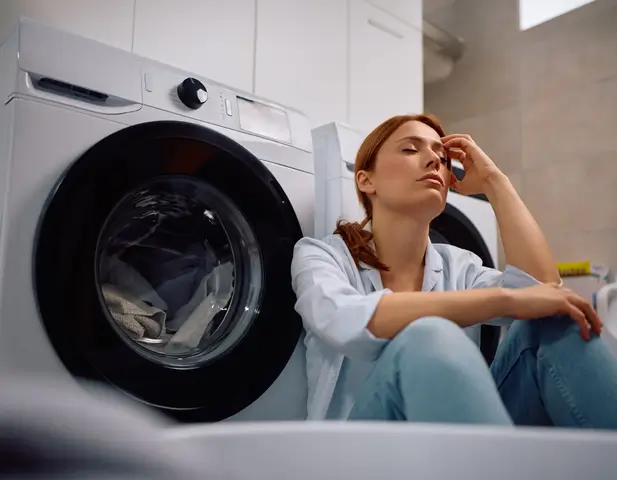
When an appliance stops working, it’s more than an inconvenience. It throws your whole routine into chaos. A fridge that won’t cool or a washer that won’t spin doesn’t just mean spoiled food or dirty clothes. It means stress, time, and money lost.
But here’s the truth: Most appliance failures are preventable. They don’t break down for no reason. There are warning signs. And there are simple ways to stop small problems from becoming big, expensive ones.
In this post, we’ll break down the most common appliance breakdown causes and how smart, regular appliance maintenance can help prevent appliance failure before it starts.
Why Do Appliances Break Down?
Appliances don’t last forever. But they should last a long time if they’re used and maintained properly. When they break early, it’s usually not a mystery. In fact, there are a few key culprits behind most breakdowns.
Let’s take a closer look.
1. Lack of Maintenance
This is the big one.
Dust, lint, food particles, hard water buildup—all these things don’t seem serious at first. But over time, they clog vents, block filters, and overwork motors. Without regular cleaning and inspection, small issues pile up. And then something breaks.
Think of it like your car. You wouldn’t drive 50,000 miles without an oil change. But many homeowners go years without cleaning the back of their fridge or flushing their water heater. That kind of neglect catches up.
2. Overuse and Misuse
Even the best appliances have limits. Overloading the washer. Running the dryer three times a day. Using the wrong detergent in a high-efficiency machine. These things push machines beyond what they were built to handle.
Some breakdowns happen simply because appliances were used the wrong way. Not out of carelessness, just lack of knowledge. Reading the manual helps. So does sticking to the basics: Don’t force the machine to do more than it should.
3. Power Surges
Today’s appliances rely heavily on electronic control boards. One lightning strike or sudden power spike can fry those systems in a flash.
Refrigerators, ovens, dishwashers—even washers and dryers—can all be damaged by electrical surges. That’s why a surge protector is recommended. It’s a cheap fix compared to replacing a whole machine.
4. Water Leaks and Moisture Damage
Dishwashers, refrigerators with water dispensers, washing machines, and water heaters all have one thing in common: They use water. And water, when it leaks or builds up where it shouldn’t, can cause slow, hidden damage.
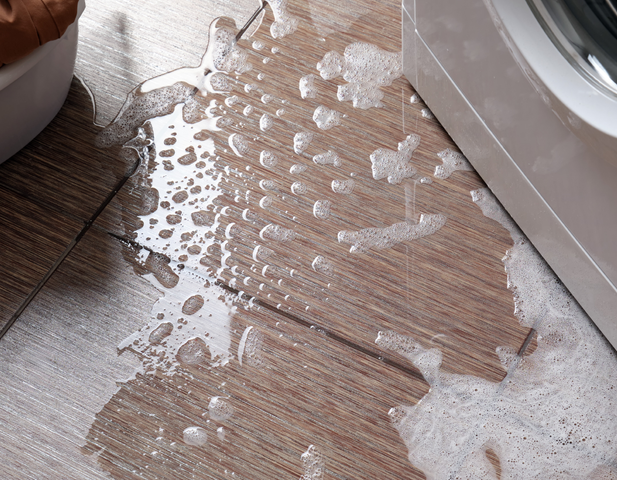
Mold, rust, corrosion, shorted wires—all of these can grow from a small, unnoticed leak. Often, by the time the machine stops working, the damage is already deep.
5. Old Age and Wear
Of course, nothing lasts forever. Most appliances have a lifespan, usually between 8 and 15 years, depending on the model and usage. Parts wear out. Motors get tired. Plastic cracks. Gaskets lose their grip.
But even age-related failure can often be delayed. Regular maintenance won’t make your fridge immortal, but it could help it last a few extra years.
How to Prevent Appliance Failure
Now that you know what causes appliance breakdowns, let’s talk about how to stop them. The good news? Most of it is simple.
You don’t need to be a repair expert. You just need to build a few habits.
Refrigerator
The fridge is one of the hardest-working machines in your home. It runs 24/7. And when it fails, it can ruin hundreds of dollars in food in a single day.
How to keep it running:
- Clean condenser coils twice a year. dust buildup makes the compressor work harder.
- Avoid overpacking. It blocks air flow and leads to uneven cooling.
- Check door seals regularly. If they’re loose or cracked, cold air escapes.
- Replace water filters every 6 months (for models with dispensers or ice makers).
Washing Machine
Washers handle gallons of water and heavy loads multiple times a week. That makes them prone to leaks, mold, and mechanical wear.
To prevent failure:
- Never overload the drum. It strains the motor and suspension.
- Use HE detergent for HE machines. Too many suds can clog sensors and pumps.
- Clean the drain filter monthly to keep water flowing smoothly.
- Leave the door open after use to let it dry out and prevent mold.
Dryer
A broken dryer can become more than a small inconvenience. It can turn into a fire hazard.

Dryer maintenance tips:
- Clean the lint trap after every load.
- Check and clean the dryer vent duct every 3 to 6 months.
- Avoid overloading. It shortens the life of the belt and motor.
- Listen for strange noises. Squeaking or thumping could mean a worn part.
Dishwasher
Modern dishwashers are efficient, but they need care to stay that way.
To keep yours running strong:
- Scrape food off plates, but don’t pre-rinse. Detergent works better with a little grime.
- Clean the filter and spray arms monthly.
- Run an empty cycle with vinegar once a month to cut grease and buildup.
- Check for leaks around the base regularly.
Oven and Range
Whether gas or electric, your cooking appliances work with high heat and sensitive electronics.
Maintenance tips:
- Wipe spills quickly to prevent buildup and smoke.
- Avoid slamming the oven door. It can loosen sensors or break the seal.
- Inspect heating elements. Burnt or bent coils affect cooking performance.
- Clean under the stovetop (if it lifts) to remove hidden crumbs and grease.
Water Heater
You don’t think about your water heater until you suddenly don’t have hot water.
To prevent problems:
- Flush the tank annually to remove sediment.
- Check the pressure relief valve for leaks or corrosion.
- Inspect the anode rod every few years. It protects the tank from rust.
- Set the thermostat to 120°F. Hot enough for comfort, not hot enough to wear the unit down.
HVAC Systems
Heating and cooling systems are top home warranty claims for a reason. They’re expensive and vital. Keeping yours running is worth the effort.
Stay ahead of breakdowns:
- Change filters every 1 to 3 months.
- Get seasonal tune-ups. Once before summer and once before winter.
- Keep outdoor units free of leaves, dust, and debris.
- Listen for changes in airflow or odd noises.
Repair or Replace?
Here’s a general rule: If the appliance is more than halfway through its lifespan, and repairs cost more than 50% of a replacement, it may be time to upgrade.
Example: If your 10-year-old fridge needs a $600 repair, and a new one costs $1,000, replacing it makes more sense.
But small repairs, such as replacing a thermostat, gasket, or switch, are usually worth doing. Always check your warranty or home warranty plan first. America’s Preferred Home Warranty (APHW) can help cover unexpected repair costs and save you from major out-of-pocket expenses.
Final Thoughts: Be Proactive, Not Reactive
Most appliance breakdown causes are preventable. And most appliance maintenance doesn’t take more than a few minutes a month.
A bit of effort now saves time, money, and stress later. The key is consistency. Don’t wait for a loud noise or a burning smell. Stay ahead of the curve.
And if you want real peace of mind? Back up your maintenance routine with a reliable home warranty. APHW has helped hundreds of thousands of homeowners avoid the sting of surprise repair bills.
