
Energy-Saving DIY Hacks That Lower Your Utility Bills
Your home uses energy every hour of every day. Lights, appliances, heating and cooling.
It all adds up. So do the bills. But the good news is, you don’t need a full renovation or expensive upgrades to start saving. A few smart, simple changes can help you save energy at home and lower utility bills starting now.
At America’s Preferred Home Warranty, we believe a well-maintained home is a cared-for home. That includes keeping it efficient. With a few DIY energy efficiency hacks, you can start cutting costs while keeping your home comfortable. Here’s how to get started.
Start With the Leaks You Can’t See
Every home leaks air. You just don’t always notice it. Tiny gaps around windows, doors, plumbing, and outlets let in outside air and let your heated or cooled air escape. That’s money slipping through the cracks.
You can do a simple check yourself. On a windy day, walk your home with a lit incense stick or candle. Hold it near door frames, baseboards, windows, and electrical outlets. If the smoke moves, you’ve found a leak.
The fix is simple: weatherstripping for windows and doors, caulk for small gaps, and foam gaskets behind outlet plates. These materials are inexpensive, and most jobs take just minutes to complete. You’ll feel the difference—and see it on your next bill.
Change Your Lightbulbs, Change Your Costs
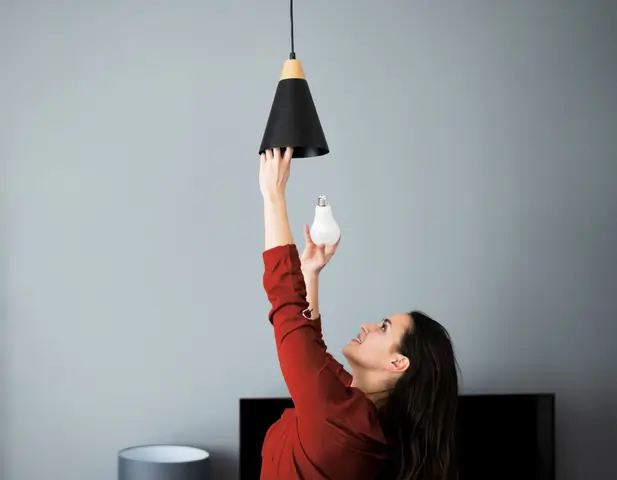
Still using traditional bulbs? Time to make the switch. LED light bulbs use up to 90% less energy and last years longer than old incandescents. You don’t have to change every bulb in your house at once. Start with the ones you use most, such as kitchen lights, bathroom vanity, porch lights, and reading lamps.
ENERGY STAR® certified LEDs are widely available, and the price has dropped over the years. It’s one of the easiest ways to save energy at home without changing your daily routine.
Give Your Water Heater Some Backup
Your water heater works around the clock. Even when you’re not using hot water, it keeps a full tank warm and ready. If your tank feels warm to the touch, it’s losing heat and wasting energy.
An insulation blanket can help. Wrap it carefully, following the instructions, and avoid covering important components like vents or thermostats.
You can also add pipe insulation to the first few feet of hot water lines coming out of the tank. These quick fixes help your water heater work more efficiently and last longer.
Lower the Heat (Just a Little)
Many water heaters are set at 140°F by default. That’s hotter than most households need. Dialing it down to 120°F still gives you warm showers and clean dishes but saves energy and reduces the risk of accidental burns.
This one-step adjustment can cut your water heating costs by up to 10%, and it takes less than five minutes to do.
Cut the Power Vampires
Even when they’re “off,” many electronics still pull power. TVs, cable boxes, computers, and chargers often draw electricity while sitting idle. These phantom loads might not seem like much, but they add up month after month.
Use smart power strips or manually unplug devices you’re not using regularly. For home offices and entertainment setups, one power strip can control multiple devices, so you’re not chasing cords around the house.
Flip Your Fan’s Direction
Ceiling fans aren’t just for summer. In winter, they can help you stay warmer if they’re spinning the right way. Look for a small switch on the base of the fan. When flipped, it changes the direction the blades spin.
.webp)
In summer, set your fan to spin counterclockwise. It pushes cool air down and creates a breeze. In winter, flip it clockwise. It pulls cool air up and circulates warm air that collects near the ceiling. You’ll feel more comfortable, which means you can run your heating or cooling system a little less.
Upgrade Your Shower and Faucets
Hot water is one of the biggest energy costs in a home. You can use less of it without sacrificing comfort. Faucet aerators and low-flow showerheads reduce water use while maintaining strong pressure.
They’re cheap, easy to install, and pay for themselves quickly. Look for fixtures labeled 2.0 gallons per minute (GPM) or less. You won’t notice a difference—except on your bill.
Reconsider That Second Fridge
A second refrigerator or freezer in the garage sounds convenient, but it might be doing more harm than good. Older appliances use more energy, and unconditioned spaces like garages make them work even harder.
If you don’t use your second fridge often, unplug it. Or consider plugging it in only during high-use times, like holidays or summer gatherings. Cutting out an extra appliance is one of the fastest ways to lower utility bills without lifting a finger.
Use Your Curtains to Your Advantage
Curtains aren’t just for privacy. They can help regulate your home’s temperature. In summer, close curtains on the sunny side of the house to block heat. In winter, open them during the day to let sunlight warm your rooms, then close them at night to keep the heat in.
For even better results, install thermal curtains. They help insulate windows and keep your home at a more stable temperature, no matter the season.
Clean Vents, Change Filters
Your HVAC system needs to breathe. Dirty filters and blocked vents make it work harder, which uses more energy and wears out your system faster.
.webp)
Replace your filters every one to three months. Vacuum air returns and make sure vents aren’t blocked by furniture or rugs. This keeps air flowing freely and your system running efficiently.
Final Thought: Big Impact, Small Effort
You don’t need a professional to take control of your energy use. These simple projects are easy to tackle and easy to afford. Start with one or two this weekend. Over time, the savings grow.
At America’s Preferred Home Warranty, we help homeowners care for what matters, but smart energy use starts with you. With these DIY energy efficiency tips, you’ll make your home more efficient, more comfortable, and more affordable to run.