
Water Damage Prevention: Protect Your Biggest Investment

Water is a fundamental necessity in our homes—but it’s also one of the greatest threats, especially when it comes to damaging life’s biggest investment. A small leak behind a wall. A clogged gutter. A worn supply line. Moisture that seeps in after a heavy rain. These issues can quickly snowball into bigger issues.
One catch is that, many times, water damage starts quietly, making it difficult to detect before it’s too late. But—there’s good news! Most water damage is preventable. With just a few habits and regular check-ins, you can lower the risk of unexpected repairs and protect the investment you’ve worked so hard to maintain—your home!
Whether you’re a new homeowner or a seasoned pro, the following are key action steps to prevent future water damage and keep your home running as smoothly as possible.
Why Water Damage Prevention Matters
Water damage might not strike you as a big issue—at least not on the level of a fire or storm—but it’s one of the most common and expensive issues homeowners face throughout the year. Floors, drywall, ceilings, insulation, furniture, and even electrical systems can be ruined because of water damage. And worst of all, water tends to seep, spread, or hide—making for an expensive repair bill. Flood damage can cost between $2,000-$10,000.
Water damage can cause additional issues, such as mold growth, which can develop within 24-48 hours in damp areas—leading to health concerns. Wood framing may weaken. Foundations may crack. Belongings may be permanently lost.
Other than saving money, preventive habits go a long way in avoiding stress, protecting your home’s value, and, most importantly, keeping your family safe when something unexpected happens.
The Most Common Causes of Water Damage
The truth is that water damage rarely pops up out of nowhere. Most problems can be traced back to a handful of predictable sources. Knowing what to watch for is the first step in preventing costly repairs in the future.
1. Plumbing failures
Pipes get old. Joints loosen up. Supply lines wear out. A tiny drop may not look like much at first, but over time, it can saturate flooring, warp cabinets, and cause mold to develop behind walls. Basic plumbing upkeep is a must.
2. Leaking appliances
Water heaters, washing machines, dishwashers, and refrigerators that come with icemakers all rely on constant water flow.
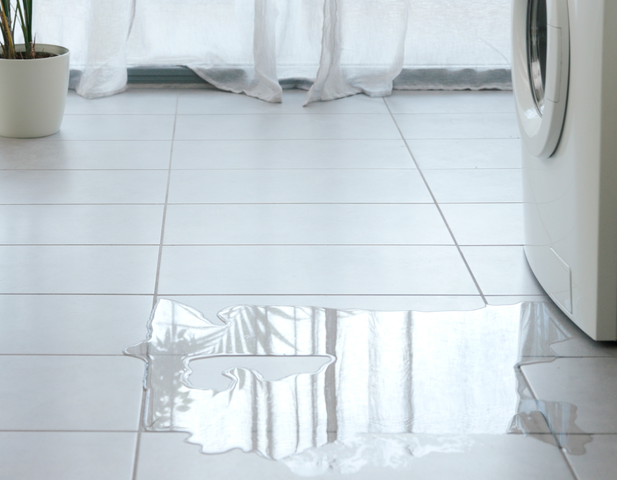
But when a valve or hose fails, gallons of water can spread across the floor in a matter of minutes.
3. Roof and gutter issues
If your roof has missing shingles or your gutters are clogged, rainwater has no place to go. As a result, it can pool, overflow, and find its way into walls, attics, or basements.
4. Basement seepage
Many—if not most—basements are prone to moisture. Cracks in the foundation, poor grading around the home, or heavy rainfall can all lead to water intrusion.
5. Hidden leaks
Some leaks are sneaky—staying out of sight for months. Whether it’s behind drywall, under floors, in crawlspaces, or beneath appliances. By the time you notice signs like staining or a musty smell, the damage is often already significant.
Understanding where leaks start helps you know where to focus your prevention efforts.
Smart Ways to Prevent Water Damage in Your Home
Preventing water damage doesn’t require expensive equipment or major renovations. Small steps, if done consistently and thoroughly, can go a long way toward keeping your home dry and protected—especially during the cold months ahead.
1. Do a Monthly “Leak Check”
Walk through your home once per month and inspect the areas that are most likely to develop leaks. These include:
- Under sinks
- Around toilets
- Behind the washing machine
- Around the water heater
- Under the dishwasher or fridge
- Inside kitchen and bathroom cabinets
Be on the lookout for soft wood, discoloration, moisture, corrosion, or a damp or musty smell. The earlier you find a small issue, the easier and cheaper it is to fix.
2. Keep an Eye on Your Water Bill
A signal of a hidden leak is a sudden jump in water usage—meaning a more expensive water bill. If nothing in your routine has changed but your water bill has, it’s worth taking a closer look or calling a plumber.
3. Maintain Your Roof and Gutters
The roof is your home’s first defense against the elements—including water. Keep your roof in good shape this season by:
- Clearing gutters twice a year
- Checking for missing or damaged shingles
- Ensuring downspouts direct water several feet away from your foundation
- Looking for sagging or pooling on flat sections of roof
When gutters are clogged, water backs up and can enter the home through the roof, fascia, or siding. Do your due diligence to ensure that your roof is in operating condition.
4. Inspect Plumbing and Appliance Hoses
Many leaks start with aging or brittle hoses and joints. Every six months:
- Check washing machine hoses for bulges or cracks.
- Inspect dishwasher and refrigerator lines.
- Replace older rubber hoses with braided stainless-steel versions.
- Flush your water heater to reduce sediment buildup.
- Look for rust around fittings and shut-off valves.
Replacing hoses every 5-7 years—or sooner if you see wear—is one of the cheapest ways to prevent major water damage.
5. Protect Your Home During Freezing Temperatures
Frozen pipes are one of the most damaging winter hazards. To avoid bursts:
- Insulate exposed pipes in basements, crawlspaces, garages, and attics.
- Keep cabinet doors open during deep freezes to allow warm air to circulate.
- Let faucets drip slightly on extremely cold nights.
- Keep your home’s temperature consistent, even when you’re away.
When water freezes, it expands—and pipes can’t always take the pressure.
6. Improve Drainage Around Your Home
Good drainage protects both your foundation and your basement.
- Make sure soil slopes away from your home.
- Keep downspouts extended.
- Repair or replace cracked foundation sealant.
- Avoid letting water pool near the base of your house.
If your home is in a low-lying area or frequently takes on water, adding a sump pump or French drain can be a smart long-term investment.
7. Install Leak Detectors or Smart Water Devices
Today’s technology allows homeowners to catch leaks before they become costly problems.
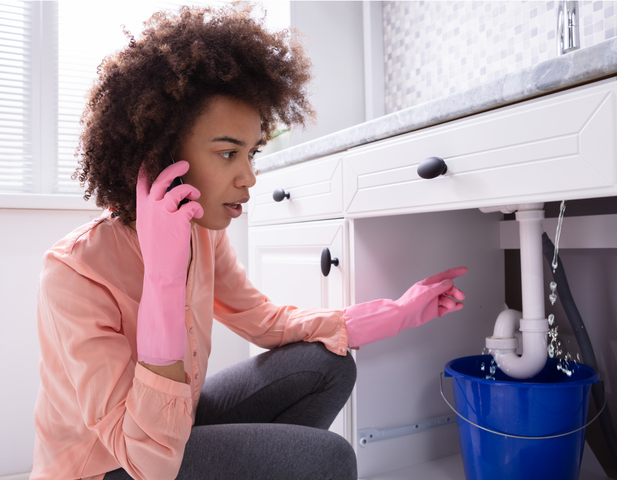
Affordable sensors can be placed:
- Under sinks
- Near the water heater
- By washing machines
- In basements or crawlspaces
Some advanced systems monitor your water usage and automatically shut off the water if they detect unusual flow. This can stop a disaster in its tracks—especially if a pipe bursts while you’re away from home.
8. Know How to Shut Off Your Water Quickly
Every member of your household should know where the main shut-off valve is located. In the event of a burst pipe or major leak, turning off the water fast can mean the difference between a minor cleanup and thousands of dollars in damage.
If you’ll be away for more than a couple of days for the holidays, shutting off the water entirely is a smart precaution.
Make Water Damage Prevention a Habit
Your home should be a place of safety, comfort, and financial stability. That’s why taking a proactive approach to water damage prevention is so important. With simple monthly habits, regular inspections, and a few smart devices, you can dramatically reduce your risk of leaks and emergencies.
Think of water protection like routine car maintenance. A little attention now saves you a lot later—in money, stress, and time.
And if a major breakdown does happen, having a home warranty like APHW in your corner brings peace of mind. We’re here to help you handle the unexpected and keep your biggest investment protected.