
Plumbing System Upkeep: Preventative Maintenance Tips
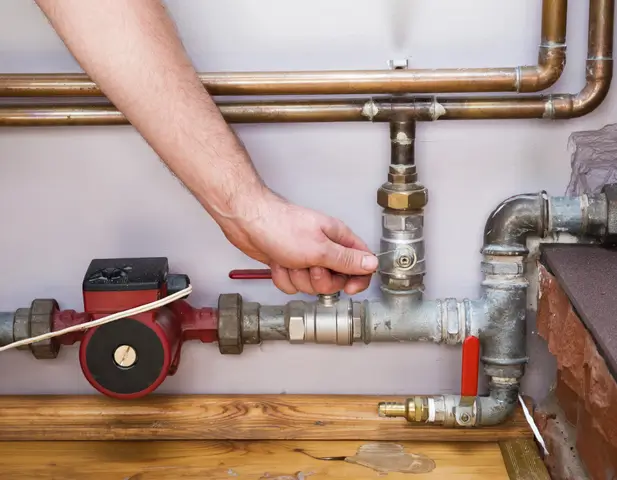
Your plumbing system works quietly in the background. Until it doesn’t. A slow drip becomes a major leak. A blocked drain turns into a backed-up mess. A burst pipe floods the basement.
Most plumbing problems don’t start big. They grow over time, when maintenance is ignored. But with regular care, you can stay ahead of many of these problems.
The good news? You don’t need to be a plumber. Just a homeowner with a checklist and a few smart habits.
Here are 10 key plumbing maintenance tips that help you prevent leaks and keep your plumbing system care on track.
1. Check for Leaks Regularly
Leaks often hide. You won’t always see water pooling on the floor. But you might find damp spots under the sink, behind a toilet, or around your water heater.
Start a monthly routine. Open the cabinets under your sinks. Feel around the base of your toilets. Look behind appliances like dishwashers and washing machines. If you notice moisture, stains, or corrosion, it’s time to take action.
Also, watch your water bill. A sudden spike without a clear reason could mean a hidden leak. The sooner you find it, the less damage it can cause.
This kind of routine check is one of the easiest ways to stay on top of your plumbing system care.
2. Keep an Eye on Water Pressure
Water pressure that's too high can damage pipes, fixtures, and appliances. It’s one of the most overlooked issues in home plumbing.
You can test it with a simple pressure gauge from a hardware store. Screw it onto an outdoor spigot. Turn on the water and read the gauge. Ideal pressure sits between 40 and 60 psi. If it’s over 80, that’s too high.
Too much pressure stresses your plumbing system and can lead to cracks or breaks over time. A plumber can install a pressure-reducing valve to help fix this. It’s a smart step in long-term plumbing maintenance.
3. Skip the Chemical Drain Cleaners
When the sink clogs, it's tempting to reach for a bottle of cleaner. But most chemical drain products are harsh. They may break up the clog, but they can also eat away at your pipes.
Over time, these chemicals can cause pipe corrosion, especially in older homes with metal plumbing.
Instead:
- Use a plunger or a manual drain snake.
- Try a natural mix of baking soda and vinegar.
- Prevent clogs by using drain screens and avoiding grease or food scraps in the kitchen sink.
Simple, non-damaging steps are part of smart plumbing system care.
4. Flush Your Water Heater Once a Year
Sediment builds up in water heaters. That buildup lowers efficiency, drives up energy bills, and can even lead to tank damage.
Flushing your water heater each year clears out sediment and helps your heater work better and last longer.
Steps:
- Turn off the water heater (gas or electric)
- Attach a garden hose to the drain valve
- Let the water drain into a safe area
- Turn the water back on and refill
If the water is cloudy or rusty, that’s a sign of sediment. Flush again if needed. Not comfortable doing it yourself? Call in a licensed plumber.
This is a top priority in your annual plumbing maintenance routine.
5. Insulate Pipes Before the Cold Hits
Frozen pipes are a winter nightmare. When water freezes inside a pipe, it expands. That pressure can cause the pipe to crack, or even burst.
.webp)
To lower the risk:
- Wrap pipes in unheated areas (basements, attics, crawl spaces) with foam insulation.
- On freezing nights, leave cabinet doors open under sinks.
- Let faucets drip slightly to keep water moving.
These small steps help you prevent leaks during winter months and avoid messy, expensive water damage.
6. Know Where Your Main Water Shut-Off Valve Is
If a pipe bursts, every second matters. Knowing how to shut off your water fast can prevent a disaster from getting worse.
Find your main shut-off valve. It’s usually near where the water line enters your home, often in the basement, garage, or near the water heater.
Turn it off and back on twice a year to keep it from sticking. Label it. Make sure everyone in the house knows where it is.
It’s a key part of responsible plumbing system care.
7. Be Smart About What You Flush
Toilets are built for two things: human waste and toilet paper. That’s it. Not wipes. Not paper towels. Not hygiene products.
Even "flushable" wipes can cause clogs. They don’t break down quickly, and they often stick inside your pipes or the main sewer line.
Set a trash can nearby for anything that isn’t toilet paper. Teach your kids and guests what’s safe to flush.
This simple habit helps you prevent leaks and backups that can ruin your day, and your floor.
8. Schedule a Yearly Plumbing Inspection
Even if everything seems fine, a professional inspection is a smart move. Think of it like an annual checkup before something goes wrong.
.webp)
A plumber can:
- Spot slow-forming leaks
- Check your water heater’s condition
- Test your water pressure
- Look for early signs of corrosion or pipe damage
This proactive step often catches issues you wouldn’t find on your own. It’s one of the most effective tools for long-term plumbing maintenance.
9. Use Cold Water When Running the Garbage Disposal
Hot water might seem better for cleaning, but not when using the garbage disposal. Hot water can melt grease, which later hardens in your pipes, causing blockages.
Instead:
- Use cold water while the disposal runs.
- Let the cold water run for 15–30 seconds after use to clear debris.
- Avoid putting fibrous or starchy foods (like celery, potato peels, or pasta) down the drain.
Following these small steps helps your disposal last longer and keeps your pipes clog-free. It’s all part of regular plumbing system care.
10. Don’t Ignore Strange Sounds or Smells
Plumbing systems give off signs when something’s not right. You just have to listen.
- Gurgling drains can mean venting issues or slow clogs.
- Banging pipes might mean water hammer or loose fasteners.
- Sewer smells often signal dry traps or cracks in vent pipes.
These aren’t just annoyances. They’re warnings. Pay attention, and deal with the issue early before it becomes a bigger, more expensive one.
When Plumbing Maintenance Isn’t Enough
Even with the best plumbing maintenance, unexpected issues can still show up. A pipe might burst. A faucet may fail. A water heater might stop working overnight.
That’s when having a home warranty from America’s Preferred Home Warranty (APHW) can make all the difference.
Our plans include coverage for common plumbing problems and give you the freedom to choose your own licensed contractor. You call someone you trust, and we help pay for the covered repairs.
That’s real value when your plumbing system care doesn’t go as planned.
Final Thoughts
Taking care of your home’s plumbing doesn’t require a toolbox full of gear. Just consistency, awareness, and a willingness to act early.
Use this checklist. Build smart habits. Prevent leaks before they happen. And when something slips through the cracks, know that APHW is here to help you handle it with confidence.