
Seasonal Landscaping Care for Winter
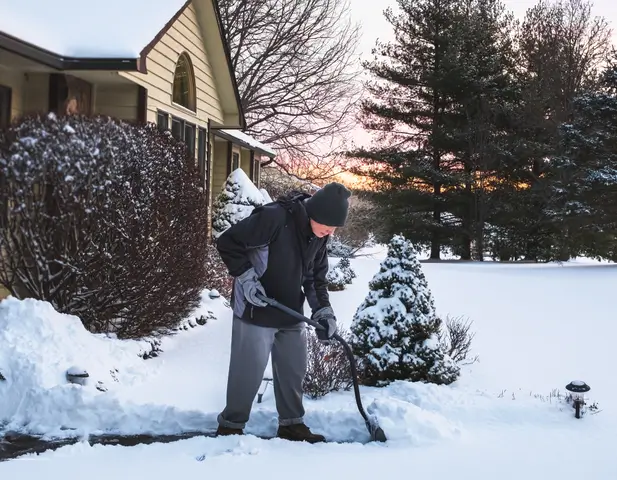
Winter brings more than cold winds and snow. It introduces a distinct shift in how your yard and landscape require attention. Many homeowners assume that once the grass stops growing, they can forget about lawn care until spring comes around. This assumption leads to preventable damage that shows up months later.
Understanding how to properly maintain your outdoor spaces during cold months protects your investment and ensures a healthier landscape when warmer weather returns. The work you put in now determines whether your yard thrives or struggles come spring.
The Case for Winter Landscape Maintenance
Growth may slow during winter, but your landscape remains vulnerable to environmental stress. Cold weather, ice, wind, and dry air create conditions that can damage roots, kill grass, and weaken trees.
Without proper winter care, you risk patchy and dead grass emerging in spring. Tree limbs may break under the weight of ice and snow. Pest infestations can establish themselves in unprotected plant beds. That’s why seasonal landscape maintenance during winter goes a long way in preserving what you've built throughout the growing season.
Maintaining Your Lawn Through Cold Months
Grass may appear dormant, but it remains alive and capable of sustaining damage. What you do now creates the foundation for thick, healthy turf later.
Start by clearing leaves and debris regularly. Fallen leaves create a damp barrier that blocks light and traps moisture against grass blades. This environment encourages mold growth and can suffocate your lawn. Continue raking even after the first frost passes.
.webp)
It’s always a good idea to mow your lawn one final time before winter fully sets in. We recommend that you keep the height around 2 to 2.5 inches. Shorter grass prevents matting under snow cover and reduces the likelihood of mold developing during extended periods of moisture.
Frozen grass becomes brittle and breaks easily under pressure. Walking across frozen turf crushes the grass blades and can damage the crown. Direct foot traffic to designated walkways during freezing conditions.
Apply a slow-release winter fertilizer before the ground experiences its first hard freeze. This application provides roots with essential nutrients during their dormant period. Consider aerating your lawn if soil compaction has become an issue. Aeration improves drainage and allows oxygen to reach grass roots.
Protecting Trees and Shrubs from Winter Damage
Trees and shrubs face distinct challenges when temperatures drop. Freezing conditions, strong winds, and wildlife seeking food all pose serious threats to woody plants.
Begin by pruning dead or weakened branches before snow and ice arrive. Heavy accumulation on compromised limbs often leads to breakage. Young trees benefit from protective wrapping around their trunks. Burlap or specialized tree wrap shields bark from temperature fluctuations that cause frost cracking, which occurs when bark warms during sunny winter days and then freezes rapidly at night.
.webp)
Apply mulch in a ring around the base of trees and shrubs. Spread it 2 to 3 inches deep but keep the material several inches away from trunks and stems. Mulch insulates roots from extreme temperature swings and helps soil retain moisture.
Continue watering trees and shrubs until the ground freezes solid. Roots still absorb water during dormancy, and evergreens particularly need adequate moisture. Deep watering once weekly through late fall helps woody plants enter winter in good condition.
Check out our beginner-friendly blog for more details on how to care for your lawn.
Preparing Garden Beds and Perennials for Dormancy
Perennial plants require thoughtful preparation before winter arrives. Cut back dead foliage from perennials once they've finished their growing season. Leaving this material in place invites disease organisms to overwinter and potentially infect new growth.
Autumn presents a good opportunity to divide overcrowded perennials. After dividing, apply mulch to garden beds. This protective layer shields root systems from freeze-thaw cycles that can heave plants out of the ground.
Tender plants that cannot withstand hard freezes need additional protection. Cover them with burlap, specialized plant covers, or frost cloths. Pull out annual plants that won't survive winter conditions, as leaving spent annuals in beds allows pests to establish overwintering sites.
Caring for Hardscape and Equipment
Drain all water from garden hoses and irrigation systems. Water expands when it freezes, causing hoses to crack and irrigation lines to burst. Shut down your irrigation system properly before freezing weather arrives by turning off the water supply and using compressed air to blow out remaining water from the lines.
Clean your landscaping tools thoroughly before storing them for winter. Remove soil and plant debris, then dry each tool completely. Apply a light coating of oil to metal parts to prevent rust formation during storage.
Inspect hardscape surfaces for developing cracks. Look carefully at patios, walkways, and driveways. Small cracks allow water to penetrate, and when that water freezes, it expands and widens the crack. Seal any cracks you find to prevent expensive damage over winter.
Preventing Pest Problems During Winter
Pests seek shelter when temperatures drop. Remove accumulations of leaves, wood piles, and plant debris. These materials create warm, protected spaces where rodents and insects overwinter.
Avoid piling mulch excessively around plants. While mulch provides important insulation, too much creates ideal conditions for rodents seeking nesting sites. Store firewood at least 20 feet away from your home and elevate it off the ground. Inspect trees regularly for signs of pest activity like holes in bark or sawdust accumulations.
Managing Snow and Ice Safely
Snow creates a beautiful winter landscape, but it also presents challenges for yard care. When you pile snow, choose locations away from shrubs and garden beds. Heavy snow dumped on plants can break branches and crush tender growth.
.webp)
Select ice melt products carefully. Many common deicing salts contain chemicals that harm grass and damage soil structure. Look for products specifically labeled as safe for pets and plants. Brush accumulated snow off tree branches and shrub limbs gently using a broom, working from the bottom up.
Using Winter for Spring Planning
The dormant season provides an excellent opportunity to evaluate your landscape and plan improvements. Take notes about what succeeded or failed during the past growing season. Sketch potential changes to garden layouts or landscaping features.
Research native plants that perform well in your specific region. Native species typically require less maintenance and use less water than non-native alternatives. Schedule early spring maintenance activities or professional inspections while you're thinking about landscape needs.
Last Thing
Winter demands a different approach to landscape care, not an absence of care. The season calls for protective measures and thoughtful preparation rather than active growth management. Every action you take during cold months influences how your landscape emerges when spring returns.
From protecting grass crowns to wrapping young trees, each task serves a specific purpose in maintaining landscape health. With consistent seasonal landscape maintenance, outdoor spaces rest safely through cold weather and return stronger when growing conditions improve. Take action before deep winter conditions set in.
Want to learn more about how America’s Preferred Home Warranty can help you care for your home? Visit our Request a Free Quote page to get more details!