
Winter Ready: How to Handle Snow and Ice Around Your Home
Snow-covered trees and glistening icicles may be picture-perfect, but the reality of winter weather can quickly go from charming to challenging.
From frozen pipes to roof damage, snow and ice can take a serious toll on your home. Here’s how to prepare and protect your property when the temperatures drop.
Use Winter Tools the Right Way
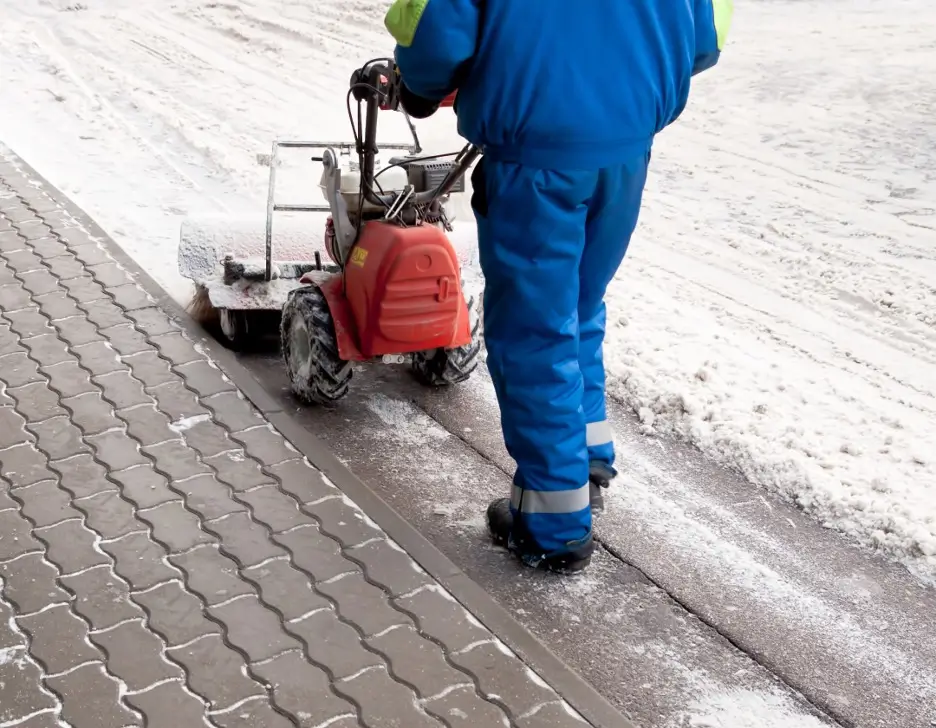
When the snow starts piling up, most homeowners reach for a snow shovel or snow blower—but choosing the right one can make all the difference.
Tips for Safer, Smarter Shoveling:
- Warm up your muscles first to prevent strains or injury.
- Choose a shovel that supports good posture—keeping your head, neck, and spine aligned.
- Push snow rather than lifting it whenever possible.
- Avoid twisting motions and lift smaller loads.
- Take breaks. Shoveling is a full-body workout!
Pro tip: Have a large area to clear or chronic back, neck, or knee issues? A snow blower might be a safer and more efficient choice.
Protect Your Pipes: Clear Snow from the Perimeter
Letting snow pile up around your home can lead to frozen pipes, cracks, or leaks, especially during freeze-thaw cycles. Help protect your foundation and underground pipes by routinely clearing snow away from the base of your home. It’s a simple step that can prevent major issues.
Prevent Roof and Gutter Damage
Snow and ice on your roof can cause leaks, ice dams, and structural stress. While it’s dangerous to climb on your roof during winter, you can still take steps to reduce damage.
Winter Roof Care Tips:
- Use a roof rake to gently pull snow toward you—never sideways.
- Clear icicles as they form, especially above walkways.
- Use a deicing agent on problem areas and sprinkle some in your gutters after snow removal.
- For heavy ice buildup, create small drainage paths for melting snow—but be careful not to damage your shingles.
Pro tip: Before winter hits, clean your gutters and consider installing heated gutter cables or applying deicer to prevent buildup.
Choose the Right Ice Melt for Your Property
Not all ice melt products are created equal. Some can damage your concrete, landscaping, or pets’ paws—so it’s important to choose wisely.
Common Ice Melt Options:
- Calcium Chloride: Fast-acting and effective in low temps; safer on concrete.
- Liquid Sodium Chloride: Eco-friendly and budget-friendly; best when applied before snow falls.
- Magnesium Chloride: Less corrosive to surfaces, though slower to work.
- Potassium Chloride & Urea: Gentler on vegetation but only effective above 25°F.
- Sodium Chloride (Rock Salt): Affordable and common, but harsh on concrete and plants.
- Sodium Acetate: Long-lasting and environmentally friendly—great, but more expensive.
Stay Protected All Winter Long
Taking care of your home’s exterior is only half the battle. Make sure your major home systems and appliances are covered in the event of a winter breakdown. A home warranty can give you peace of mind when the unexpected strikes.
Click HERE to get your free quote today!
