
Seasonal Home Maintenance Checklist for Fall
As the weather cools and leaves begin to fall, it’s time to turn your attention to your home. Fall is a transition season—not just for the outdoors, but for how your home functions. The systems that worked quietly in the background all summer will soon be pushed to their limits. Heaters, fireplaces, gutters, and roofs all face new demands as cold weather rolls in.
Preparing your home now can help you avoid costly repairs later. It can also make your space safer, more energy efficient, and more comfortable. This fall maintenance checklist covers the most important tasks homeowners should tackle before winter sets in. Think of it as your seasonal guide to protecting your home, as well as your peace of mind.
Start With Your Heating System
Nothing impacts your comfort more in fall and winter than a reliable heating system. Before the first cold snap, take time to inspect your furnace. Replace the filter if you haven’t done so recently. A clean filter allows air to flow freely and keeps the system from overworking. It also helps improve air quality inside your home.
If you haven’t had your furnace professionally inspected this year, now’s the time. A trained technician can catch problems early, clean internal parts, and make sure everything is running safely. The last thing you want is a breakdown when the temperature drops. In addition, test your thermostat and check to see if rooms are heating evenly. If not, there could be issues with airflow or ductwork.
Routine autumn home maintenance like this doesn’t just save you from emergency repairs. It can also extend the life of your system and reduce energy bills.
Clean and Inspect Your Gutters
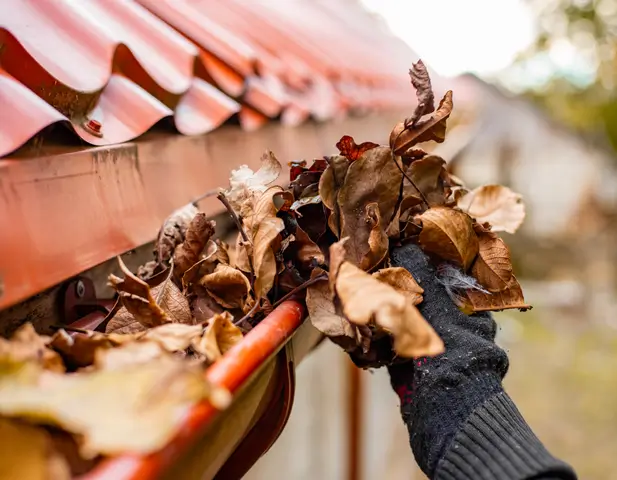
Gutters are often out of sight and out of mind, but they play a critical role in directing water away from your home. In the fall, they quickly fill with leaves, twigs, and debris. If left clogged, water backs up and can seep into your roof, walls, or foundation. That moisture can lead to mold, rot, and long-term structural damage.
Cleaning your gutters may not be the most enjoyable task, but it’s one of the most important. Use gloves and a scoop, or hire a professional if your roof is high or steep. Make sure downspouts are clear and pointed away from your house. If you deal with heavy leaf fall every year, you may want to install gutter guards to reduce future clogs.
Gutter care is a small task with big benefits. It's a key part of any effective fall maintenance checklist.
Inspect the Roof and Chimney
Your roof shields your home from wind, rain, snow, and ice. Now is the time to catch small issues before they become big ones. Walk around your home and look for missing shingles, cracked tiles, or sagging spots. Pay special attention to flashing around chimneys and skylight, as they are common leak points.
If your home has a fireplace, schedule a chimney cleaning. Over time, creosote builds up in the flue. This sticky, flammable substance can lead to chimney fires if not removed. A certified chimney sweep can clean and inspect the entire system. Also, check that the chimney cap is secure and free from damage. It keeps out rain, debris, and small animals looking for a warm place to nest.
Roof and chimney inspections are classic seasonal homeowner tips for a reason. They protect your home from above when winter weather hits.
Seal Drafts Around Doors and Windows
Drafts are one of the biggest sources of heat loss in a home. They make your furnace work harder and drive up your energy bills. Fortunately, they’re easy to spot and fix.
.webp)
Walk through your home and feel around the edges of windows and doors. If you feel cold air coming in, it’s time to act. Use caulk to seal small cracks around window frames. Apply weatherstripping to door jambs. Install door sweeps to block air from creeping under exterior doors.
Proper sealing keeps your home warmer and more efficient. It’s a simple yet powerful part of autumn home maintenance.
Get the Yard in Shape
Yardwork may seem like a summer task, but what you do in the fall affects how your lawn and garden bounce back in spring. Start by raking leaves regularly. Wet leaves left on the lawn can suffocate grass, create mold, and invite pests. You can also mulch them using your lawn mower to return nutrients to the soil.
.webp)
Cut back overgrown bushes and remove dead branches. This helps prevent breakage during heavy snow and improves your home’s curb appeal. Clean out garden beds and store outdoor planters if they’re not winter-safe.
Fall is also a good time to fertilize and aerate your lawn, especially if you live in a region with harsh winters. These steps strengthen roots and help grass recover once warmer weather returns.
Test Smoke and Carbon Monoxide Detectors
Fall is when many homeowners start using fireplaces, space heaters, and gas-powered furnaces. That makes this the perfect time to test your smoke and carbon monoxide detectors.
Go through your home and check each device. Replace batteries if needed, and make sure units are not expired. Most detectors need to be replaced every seven to ten years. You should have one on each level of your home, especially near sleeping areas.
A few minutes of testing could save lives. It’s one of the most important seasonal homeowner tips for fall.
Winterize Outdoor Faucets and Irrigation
Water expands when it freezes, and pipes are especially vulnerable in cold weather. To prevent costly damage, shut off water to all outdoor spigots and drain any remaining water. Disconnect hoses and store them indoors. If you have an irrigation system, follow the manufacturer’s instructions to winterize it or hire a professional.
Frozen pipes are an expensive and messy problem, but one that’s easy to avoid with this simple step.
Store Outdoor Furniture and Tools
Outdoor furniture and lawn equipment take a beating if left outside through winter. Clean and store cushions, chairs, and umbrellas in a dry place. If your grill stays outside, cover it with a weatherproof cover. Drain gas-powered tools like lawnmowers and trimmers, or add a fuel stabilizer to protect the engine.
Storing your equipment properly extends its life and saves you from replacement costs next spring. It’s an often-overlooked but smart move on your fall maintenance checklist.
Review Your Home Warranty Coverage
Fall is also a good time to take stock of your home protection plans. Heating systems, plumbing, and water heaters are all under more strain during the colder months. Review your home warranty coverage to make sure you’re protected.
If you’re covered by America’s Preferred Home Warranty (APHW), be sure you know how to file a claim and what your plan includes. Unexpected breakdowns happen more often in winter. A good warranty can take the sting out of those surprise repairs and give you confidence as temperatures drop.
A Final Word on Fall Maintenance
Fall doesn’t just bring cooler weather and colorful leaves. It brings a chance to get ahead of winter’s wear and tear. This fall maintenance checklist is your guide to making sure your home is ready, both inside and out. From cleaning gutters to sealing windows, each task helps support your space, save energy, and prevent stress.
Good maintenance isn’t about perfection. It’s about small, consistent efforts that add up over time. Use these autumn home maintenance tips to prepare your home now, so you can enjoy a warmer, safer season ahead.
And remember, if you're an APHW customer, your home warranty is here to back you up, no matter what fall (or winter) throws your way.
