
Seasonal Appliance Maintenance: Preparing HVAC for Winter
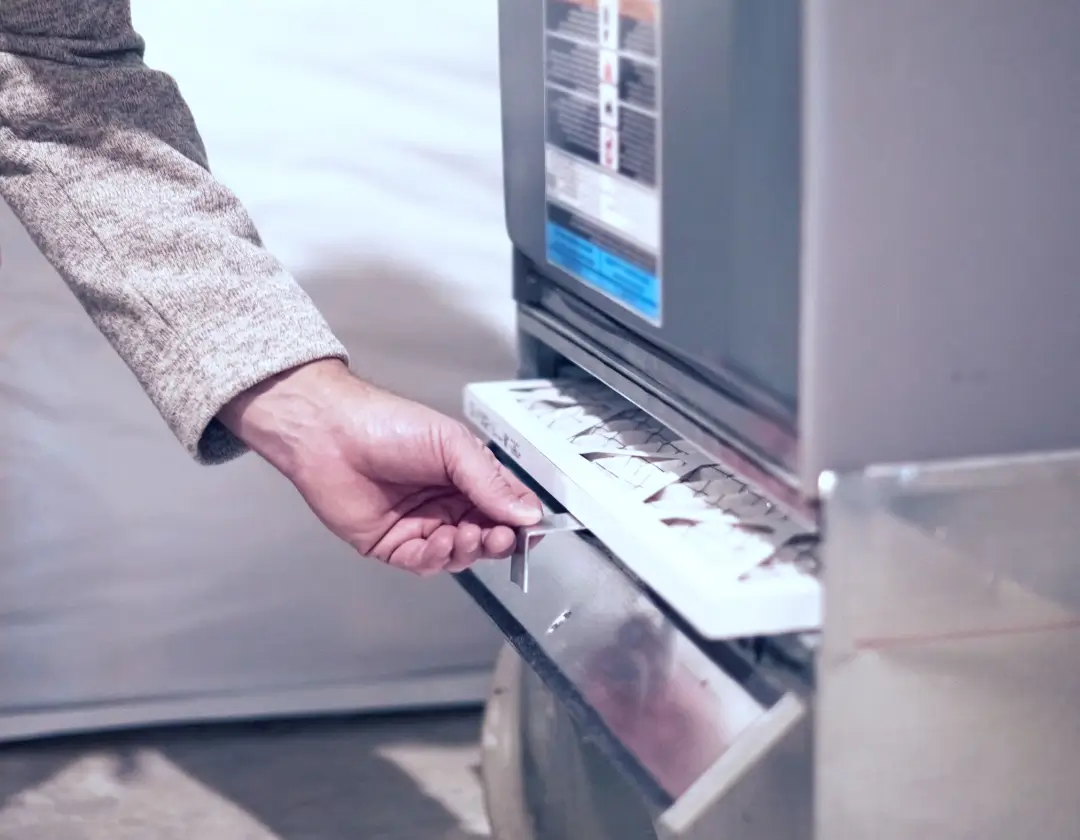
As the weather turns cooler and the days grow shorter, it is the perfect time to shift your focus indoors. Your HVAC system, especially the furnace, should be checked before the first days of winter hit. Just as your vehicle needs a tune-up before a lengthy road trip, your HVAC system needs adequate care before it kicks into overtime in the coming months.
Skipping seasonal HVAC care can be risky business that leads to unexpected breakdowns when you need the heat the most. Worse yet, it can shorten your system's life or lead to an increase in your energy bill.
The good news is that a few simple steps can go a long way.
Start With Your Air Filters
Before you touch anything else, take a look at your HVAC air filter. If it looks dirty, it is time to change it.
A clean air filter can improve airflow, boost energy efficiency, and reduce strain on your furnace. It also improves indoor air quality, which matters during winter when your home is sealed up tight.
So, how often should you replace your HVAC filter? There is not one correct answer. For most homes, every 1 to 3 months is enough. But if you have pets, allergies, or a larger household, consider changing it more often.
Changing your air filters should be a seasonal habit.
Clear the Area Around Your Furnace
Furnaces need space to breathe and function properly. If your utility room or basement is used for storage, ensure that nothing is crowded around your furnace. Flammable materials, boxes, or even buildup of dust can become fire hazards.
Keep a clear area around your unit. At least two feet on all sides is a good rule of thumb. This also helps your technician access the unit easily during inspections or repairs.
While you are at it, conduct a visual check. Search for signs of rust, loose panels, or strange smells. If something seems off, it may be time for a service call.
Test Your Thermostat
Your thermostat functions as the brain of your HVAC system. If it is not operating correctly, your furnace will not be working properly either.
Switch your system from cooling to heating mode. Then raise the temperature and make sure warm air comes out of your vents. If there is a delay or no heat, something may be wrong with your system or thermostat.
Consider upgrading to a smart thermostat. It gives you better control over your home's temperature and helps cut down on heating bills by learning your habits.
Bonus: Most smart thermostats alert you when it is time to change filters or schedule service.
Clean and Open Your Vents
Vents that are blocked or closed can make it harder for your furnace to operate the way it should. An easy solution to this is to walk through your home, ensuring that your vents are open and free of dust, furniture, or rugs that may have slid over a floor vent.
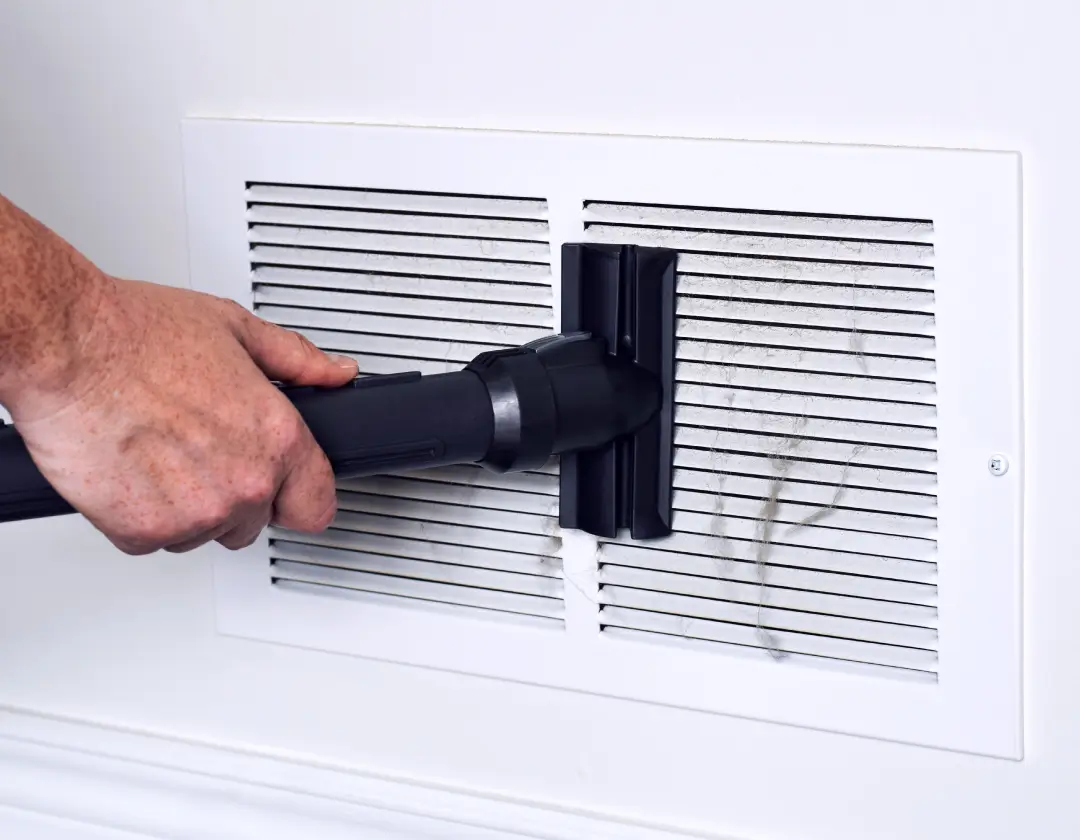
If there is substantial dust buildup around your vents, you can try vacuuming it out. This will keep the air flowing freely, and it also helps keep your indoor air cleaner and fresher.
If some rooms still feel colder than others, you might have a ductwork issue. In that case, consider scheduling a professional inspection.
Schedule a Professional HVAC Inspection
This is, generally, one of the most important steps in furnace preparation. A professional tune-up includes checking all the vital components of your system before winter settles in.
During a service call, technicians often:
- Inspect and clean burners
- Test safety controls
- Check for gas leaks
- Examine the heat exchanger
- Lubricate moving parts
- Calibrate the thermostat
An inspection can also catch small issues before they bloom into major breakdowns or malfunctions. It is important to consider booking an inspection early in the season, as HVAC professionals get booked fast once the first cold snap rolls in.
Check and Seal Your Ductwork
Leaky ducts can lose up to 30% of the air your system pushes out. That means you will pay more to keep your home heated but still end up cold.
Inspect any exposed ductwork for gaps, cracks, or disconnected joints. Seal them with HVAC tape, not regular duct tape. If your ducts run through unheated spaces, such as attics or garages, consider insulating them, if possible.
Properly sealed and insulated ducts keep warm air where it belongs---in your home.
Clean the Outdoor Unit (If You Have One)
If you use a heat pump, your outdoor unit runs year-round. Before winter, be sure to remove leaves, twigs, and debris from around the unit. Trim back bushes or branches within two feet.
Make sure the top and sides are clear so air can circulate efficiently. Don't cover the unit unless the manufacturer recommends it. Covering it improperly can trap moisture and cause rust or mold to develop.
For central AC-only systems, you can also clean and cover the unit for winter to protect it from snow and ice. Just don't forget to uncover it when spring arrives.
Test Your Carbon Monoxide Detectors
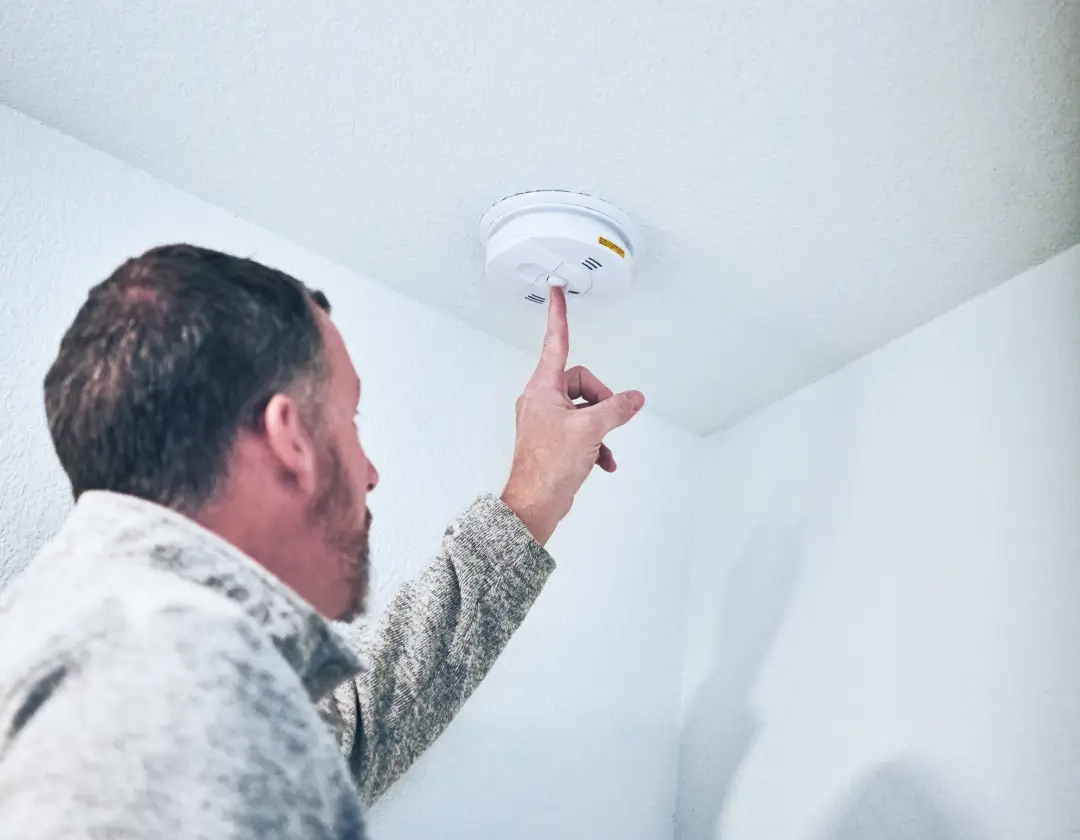
Furnaces that burn gas or oil produce carbon monoxide. This gas is colorless, odorless, and deadly in high concentrations.
Test your carbon monoxide detectors at the start of each heating season. Be sure to replace the batteries and confirm they are working correctly. If you do not have any, now is the time to install them, especially near bedrooms and the furnace itself. This step could save lives. Really.
Set Your Ceiling Fans to Winter Mode
This might surprise you, but ceiling fans help with HVAC winter maintenance too.
Flip the switch on your ceiling fan to reverse the blade direction. In winter mode, blades spin clockwise, which pushes warm air down from the ceiling, helping rooms stay more comfortable throughout the cold days.
You can often lower your thermostat a few degrees and still stay comfortable by wearing an extra layer or bundling up in a blanket. That means savings without sacrifice.
Stock Up on Furnace Filters and Emergency Supplies
It is well known that winter weather can cause delays in shipping or store closures. We recommend that you stock up on furnace filters, batteries, and emergency supplies before storms strike.
Keep a flashlight, extra blankets, and a backup heat source ready in case of power outages. If you have a generator, make sure it is in working order and has fuel.
Planning ahead is part of smart, seasonal HVAC care.
Stay Warm With Confidence
Preparing your HVAC system for winter does not have to be hard. With regular seasonal maintenance, you can stay ahead of problems, lower your energy bills, and keep your home warm when it matters most.
Don't wait until your furnace fails in the middle of a snowstorm. Start your HVAC winter maintenance now. A little effort today can save you time, money, and stress down the road.
And if the unexpected does happen? America's Preferred Home Warranty (APHW) is here to help. Our plans give homeowners peace of mind, knowing that covered repairs won't leave them out in the cold.
Want to see how APHW can give you peace of mind this winter? Click HERE to get a free quote!
