
Energy-Efficient Appliance Upgrades That Pay for Themselves
Most people think about replacing an appliance when it breaks. That's understandable; it's hard to justify spending money on something that's technically still working. But that old water heater or that refrigerator humming away in the corner? It's costing you money every single month, and most homeowners never add it up.
Some upgrades genuinely pay for themselves. Not in theory, in actual dollars off your utility bills. Here's where that tends to happen.
Water Heaters
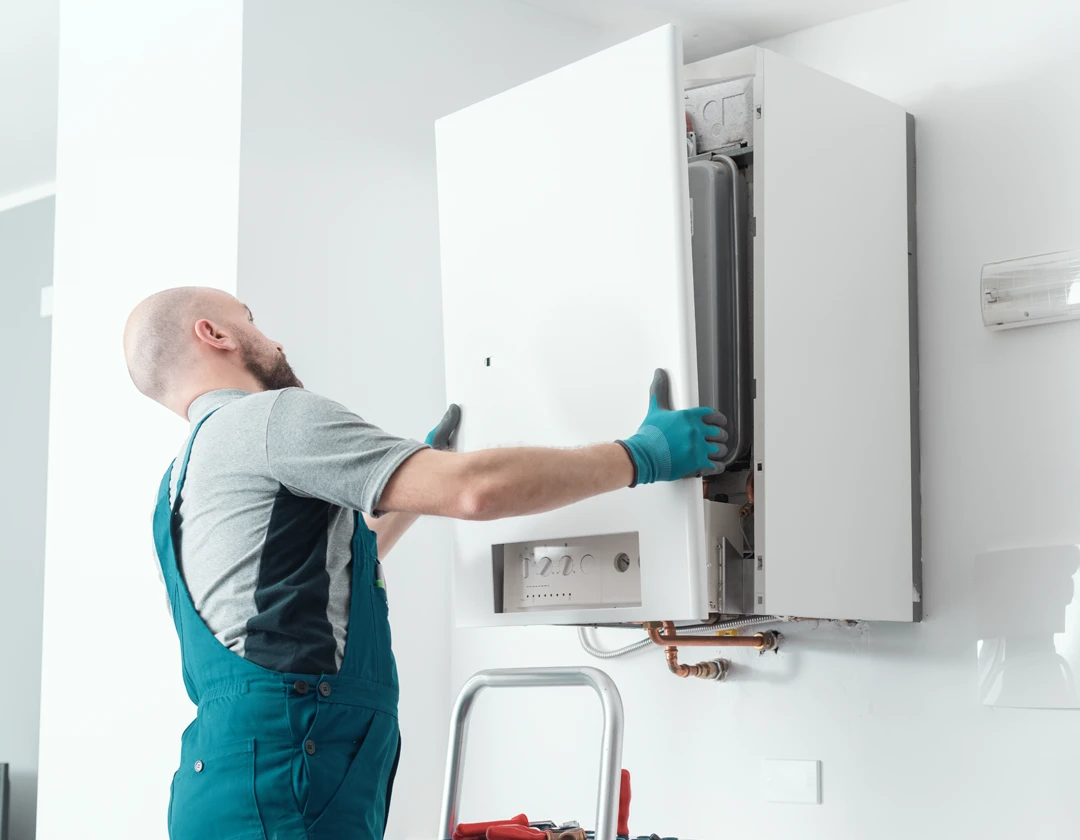
A traditional tank water heater keeps water hot all day long. Middle of the night, while you're at work, during a two-week vacation, it's running. That's a lot of energy spent on hot water nobody's using.
Tankless water heaters flip that around. They heat water when you turn on the tap and shut off when you're done. For most households, that change alone makes a noticeable dent in the monthly energy bill. They also tend to last significantly longer than tank units, often 20 years or more, versus the 8 to 12 you'd typically get from a conventional heater.
Heat pump water heaters are worth a look too, especially right now. They pull heat from the surrounding air instead of generating it from scratch, making them far more efficient than a standard electric unit. There are also federal tax credits currently available for qualifying installations, which take a real chunk off the sticker price.
HVAC Systems
Heating and cooling make up roughly half of what most homeowners spend on energy each year. Half. So if there's one place an upgrade actually moves the needle, it's here.
A 15-year-old system isn't just old, it's working harder than it should and using more energy to do it. Newer systems are rated for efficiency in a way older ones simply weren't built to match. The savings start showing up in the first full season after you replace one.
Heat pumps have gotten a lot of attention lately, and it's deserved. One system handles both heating and cooling, and it does both more efficiently than most traditional setups, particularly in climates that don't get brutal winters. If your home is running on an aging electric or gas unit, the difference in operating costs over a few years can be significant.
One thing worth mentioning that often gets skipped is the ductwork. You can install the most efficient system on the market and still lose 20 to 30 percent of what it produces through leaky ducts. If the ductwork hasn't been looked at in years, it's worth checking before assuming the equipment is the whole story.
Washing Machines and Dryers
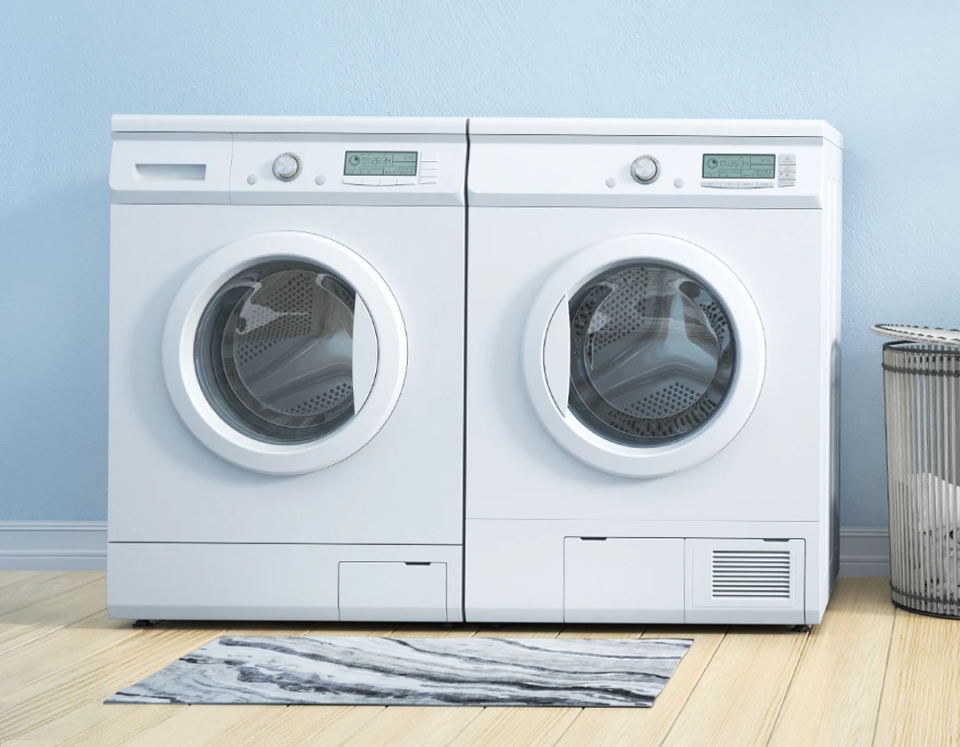
Front-loading washers use a fraction of the water that top-loaders do, sometimes less than half per cycle. Over the course of a year, that shows up on your water bill and your energy bill. They also tend to be easier on clothes, which isn't the main reason to buy one, but it's a nice bonus.
Heat pump dryers are newer to the U.S. market but are worth knowing about. They recycle heat through each cycle instead of generating fresh heat every time, which cuts energy use roughly in half compared to a standard dryer. For a household running multiple loads a week, the savings build faster than you'd expect.
If a dryer upgrade isn't in the cards right now, at minimum, keep the vent clean. A clogged vent makes every cycle run longer and harder than it needs to, that's wasted energy on every single load.
Refrigerators
The refrigerator never turns off. That's what makes it worth paying attention to. An older unit from the early 2000s can use two to three times the energy of a current model. Two to three times, every hour of every day.
If yours is more than 15 years old, there's a reasonable chance it's costing more to run annually than a newer unit would cost to own over several years. The upgrade math tends to favor replacing it sooner rather than waiting for it to die.
Dishwashers
Newer dishwashers use less water per cycle than washing the same dishes by hand, and considerably less than older dishwasher models. If yours is over ten years old, a current Energy Star model is almost certainly more efficient in both water and energy use.
One practical note: running full loads versus partial ones makes a bigger difference than most people realize. The efficiency gains from a new machine compound when you're actually using it right.
Smart Thermostats
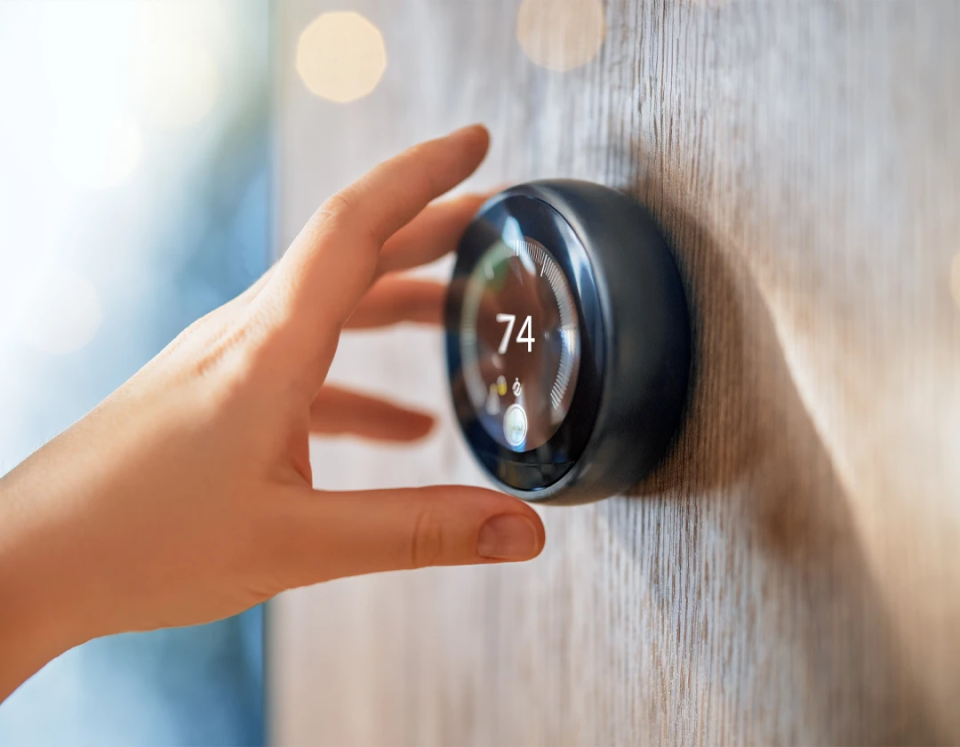
No appliance to replace, no major installation, just a device that learns your schedule and stops heating or cooling an empty house. Most homeowners recoup the cost within the first year through lower bills. It's one of the easier upgrades with one of the faster paybacks, and it works with whatever HVAC system you already have.
The Timing Question
The best window to upgrade is before something fails, not after. When an appliance breaks, you're making a fast decision under pressure, and fast decisions under pressure usually cost more. Replacing something on your own timeline means you can compare options, take advantage of rebates, and make a choice you're actually comfortable with.
A lot of the systems covered here, water heaters, HVAC, washers, dryers, and refrigerators, are also things an APHW home warranty helps cover when they break down. Knowing what you have protected and what's getting older in your home puts you in a much better spot to plan ahead rather than scramble when something goes wrong.
Questions about your coverage? Call 800.648.5006 or visit APHW.com.
Terms and conditions apply. Coverage varies by plan. Refer to your service agreement for full details.
