
Water Hitting Hard: A Guide to Your Water Softener & Maintenance Checklist
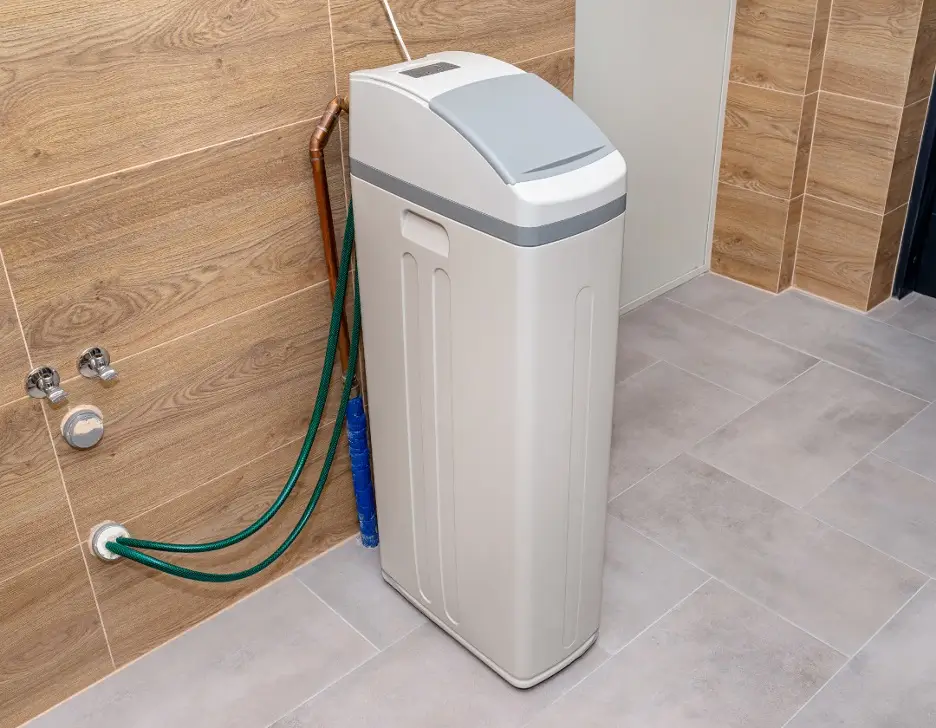
Hard water can cost you hundreds of dollars each year in appliance wear, plumbing damage, and mineral buildup. That’s why water softeners have become standard household appliances across much of the U.S.
In this guide, you'll learn how to care for your water softener properly, including which salt to use, how to check salt levels, how to fix common issues, and a simple maintenance checklist to keep things running smoothly.
Water Softener Salt Types
Important: Regular table salt is not safe to use in your water softener. Each system requires a specific type of softener salt. Check your user manual to determine which of the three main types below works best for your unit:
- Rock Salt
The most affordable option—but also the lowest quality. It often leaves sediment at the bottom of the tank, which can cause clogs. If you use rock salt, clean your tank more frequently. - Solar Salt
A moderate-quality option that costs more but allows your system to run more efficiently. - Evaporated Salt
The purest and highest-quality option. While it’s the most expensive, it produces little to no sediment and is least likely to cause issues.
How to Check Your Water Softener Levels
Many homeowners aren’t sure how to check their softener salt levels. Here’s what to do:
- Check the tank every 4–6 weeks.
- If the salt is down to ¼ full or less, it’s time to refill.
- Refill the tank to half full, making sure the water level remains about 3 inches below the salt.
Common Water Softener Problems
There are two main problems that can affect water softener performance:
1. Salt Bridge
A salt bridge is a hard crust or “bridge” that forms at the top of the salt pile, preventing salt below from dissolving.
Fix:
Use a broom handle to gently poke through the bridge and mix the salt. To avoid repeated issues:
- Use less salt
- Let salt levels drop more before refilling
- Clean your brine tank periodically
2. Salt Mushing
Salt mushing occurs when salt at the bottom turns into a thick, slushy paste, blocking water from mixing properly.
Fix:
Scoop out and replace the mushy salt. If you want to try saving it:
- Scoop the salt mush into hot water to dissolve it
- Mix it back in once fully dissolved
Water Softener Maintenance Checklist
Use this checklist to keep hard water out of your home and your system running strong:
- Tank Cleaning
- Newer systems: Clean every 5–10 years, or only if performance drops
- Older systems: Clean annually or if clogs, bridges, or mushing are frequent
- Always follow your user manual
- Pro Tip: Never dump salty waste in your yard—it can kill your plants
- Water Softener Cleaner
- Flush the tank with cleaner every few months per label instructions
- Helps remove sediment and extend your unit’s lifespan
- Bypass Valve Check
- Twist the bypass valve to Off and back On a few times a year
- Prevents seizing and allows you to check for leaks or drips
- Valve Between Tanks
- Clean the valve between the brine and resin tanks twice a year
- Always follow the manual—incorrect handling can cause damage or injury
- Professional Tune-Up
- Schedule a plumber checkup every few years
- A pro can deep clean the system and catch issues early
Now you're equipped to keep hard water at bay and get the most out of your water softener. Whether you're doing the dishes, enjoying a glass of water, or relaxing in the bath, you can do it all with the confidence that your system is running right.
Say goodbye to hard water—and hello to peace of mind.
Click HERE to get a free quote today!