
Appliance Safety and Recall Awareness: What Every Homeowner Should Know
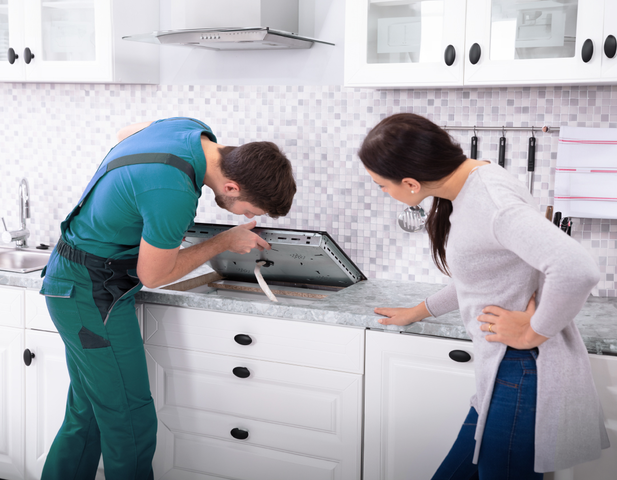
Your home appliances are meant to make life easier, but if one fails due to a hidden defect or safety issue, it can quickly become a risk to your family and your property. While most appliances can work properly for years, there are cases when manufacturers discover problems that lead to official recalls.
Every year, hundreds of thousands of appliances are recalled across the country. Despite this, many homeowners are unaware that a recall even exists. Whether it’s a dishwasher that could overheat or a washing machine that might cause injury during use, ignoring safety recalls can lead to property damage or even personal harm.
Understanding appliance recalls, keeping up with appliance safety, and staying informed about product safety alerts can help protect your household and give you greater peace of mind.
What Is an Appliance Recall?
An appliance recall happens when a manufacturer or government agency identifies a safety risk in a product that has already been sold. These risks may include electrical hazards, gas leaks, fire risks, or mechanical malfunctions. Once identified, the manufacturer will issue a recall and offer to fix, replace, or refund the affected item.
Recalls are often issued after consumers report problems or injuries linked to the product. Sometimes the issues are discovered through internal testing, while other times the problems surface after the appliance has been in homes for several years.
Appliance recalls are coordinated through the U.S. Consumer Product Safety Commission (CPSC), which tracks safety-related defects and works with manufacturers to alert the public. However, even with a recall in place, many homeowners remain unaware.
Which Appliances Are Most Commonly Recalled?
Any household appliance can be recalled, but some tend to appear more often on recall lists due to their high usage and potential safety risks.
The most recalled appliances include:
- Stoves and ovens, which can pose fire or gas leak risks
- Refrigerators, due to electrical issues or overheating components
- Dishwashers, often linked to faulty wiring or control panels
- Microwaves, for potential fire or radiation risks
- Washing machines, which may cause physical damage during cycles
Cooking appliances are among the top recalled categories, according to some reports. Given the use of heat, flame, and electricity, they present the most potential for safety hazards when something goes wrong.
How to Check If Your Appliance Has Been Recalled
The good news is, checking for recalls is straightforward. Every appliance in your home has a model and serial number, and that information is key to finding out if it’s part of a safety alert.

As a homeowner, you don’t have to wait for a notice to show up in the mail or in the news. To stay on top of product recalls, make these steps a regular part of your home maintenance routine:
- Register Your Appliances
When you purchase a new appliance, take a moment to register it with the manufacturer. This simple step ensures you’ll be notified if the product is ever recalled. - Use the CPSC Recall Database
The U.S. Consumer Product Safety Commission’s website, cpsc.gov/recalls, allows you to search by brand or product category to see if there are any active recalls. - Visit the Manufacturer’s Website
Most brands have a recall or safety section where you can enter your model number and see if any service actions are required. - Use Third-Party Recall Checkers
Sites like Recalls.gov or Envirospect.com help track product safety alerts across multiple brands and categories. - Keep Records Handy
Store receipts, user manuals, and registration details in a folder or digital file so you can easily access them if a recall occurs.
What to Do If Your Appliance Is Affected by a Recall
If you find out that one of your appliances is under recall, it’s important to act fast. Most recalls offer free repairs or replacements, but you may need to take the first step.
Here’s what to do:
- Stop using the appliance immediately if the recall involves fire, shock, or injury risk.
- Follow the instructions provided in the recall notice. This usually includes contacting the manufacturer or scheduling a repair with an authorized technician.
- Document your communications and any service appointments related to the recall.
Even if the appliance is still working, using it after a recall could void warranties or increase risk.
Why Recalls Are Often Missed
You might wonder how so many recalls go unnoticed. According to a report from WCVB, the reasons include outdated contact info, unregistered appliances, and a general lack of public awareness.
Appliances that change hands through resale, inheritance, or renovation projects may not be tracked by manufacturers. That means a significant portion of homeowners never receive a direct notification.
Another common problem is the delay between when a product issue is discovered and when a recall is issued. This lag can lead to years of use before the defect is publicly acknowledged.
Everyday Appliance Safety Tips
Even when a recall is not involved, safe appliance use is a key part of protecting your home. By taking care of your appliances and watching for warning signs, you can prevent hazards before they happen.
Here are some simple appliance safety tips for homeowners:
- Inspect cords, plugs, and outlets regularly for signs of wear or damage.
- Avoid overloading power strips or extension cords.
- Clean dryer vents, refrigerator coils, and range hoods to prevent overheating.
- Never ignore strange smells, burning odors, or sparks.
- Schedule professional maintenance for larger systems, like HVAC units.
Preventive care goes hand in hand with recall awareness. Together, they can help you maintain a safer, more reliable home.
How APHW Can Help
At America’s Preferred Home Warranty, we know that even well-maintained appliances can run into problems. While appliance recalls are handled directly by manufacturers, your APHW coverage provides support when appliances break down due to normal wear and tear.
We encourage homeowners to stay informed about recall notices and to act quickly when one is announced. If your appliance needs service for a non-recall issue, our home warranty plans can help cover the cost and connect you with trusted technicians.
Stay Informed
Appliance recalls are more common than many homeowners realize. By taking a proactive approach to appliance safety and keeping an eye on product safety alerts, you can protect your home and avoid costly surprises.
Stay informed, register your appliances, and check recall databases regularly. And when something does go wrong, know that APHW is here to help with coverage you can count on.
For more helpful homeowner tips and coverage options, visit APHW.com today.