
How to Keep Your Pool Ready for Summer (Without the Headaches)
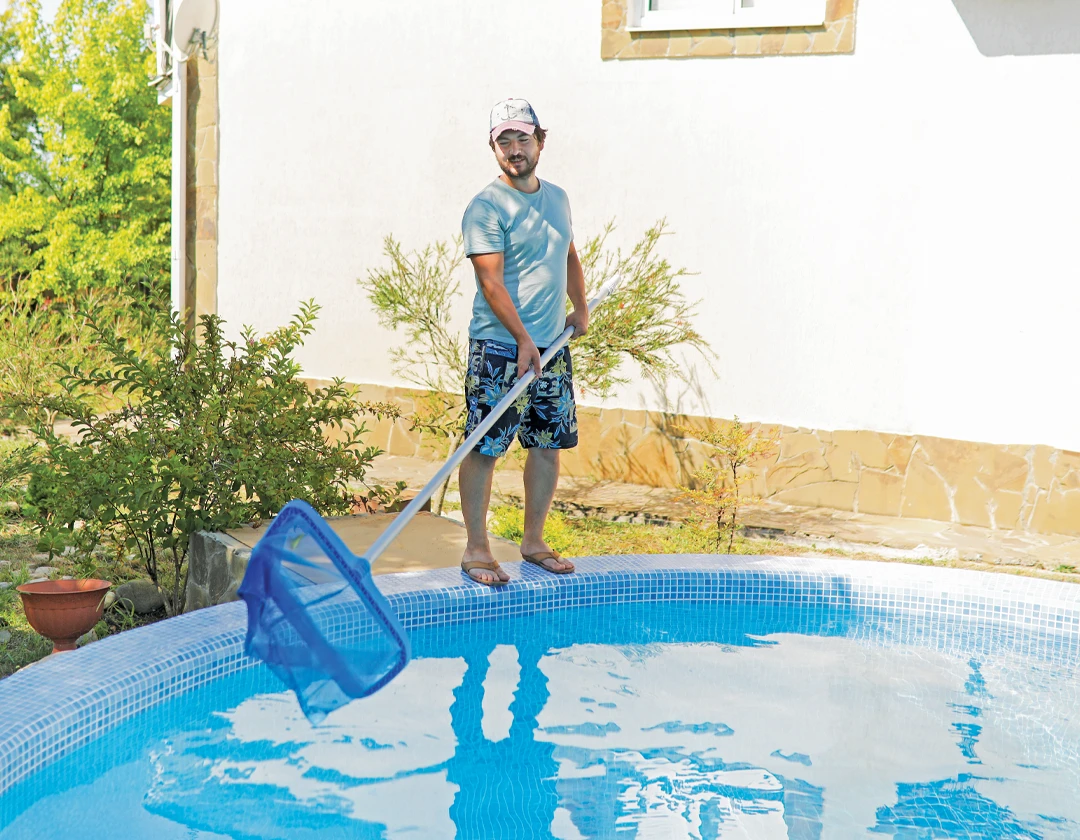
Every spring it's the same thing. Someone walks out to the backyard, looks at the covered pool, and asks when it's going to be open. And if you haven't touched it since October, that answer involves more work than most people want to admit.
Opening a pool the right way isn't hard, but there's an order to it, and shortcuts tend to show up two weeks later as a water problem you can't figure out. This pool opening checklist covers what actually needs to happen before anyone gets in.
Start With the Cover
Before you pull it off, pump the standing water off the top. Sounds obvious. Most people skip it anyway and drag a soaking wet cover full of leaves straight across the pool opening. Everything on that cover goes right into the water, and now you've added debris removal to your to-do list.
Get it off carefully, clean it, and let it dry completely before storing it. A cover that goes away wet comes out next fall looking and smelling terrible. Twenty extra minutes now saves a real headache in October.
Reconnect Equipment and Actually Look at It
Winter is harder on pool equipment than most homeowners realize. Freeze damage is sneaky, a hairline crack in a pump housing or PVC fitting might not look like anything until the system is under pressure and suddenly it's very obvious.
Put the winterization plugs back in the return lines and skimmers. Hook the pump and filter back up. Then run everything and stand there and watch it. Pressure spiking fast usually means something is restricted. Weak flow usually means something is cracked or blocked. Better to find out now than on the first hot weekend of June when everyone's ready to swim.
Water Level Matters More Than People Think
Evaporation and winter precipitation usually leave the water level somewhere it shouldn't be. The target is the midpoint of the skimmer opening. Too low and the skimmer pulls air. Too high and it can't do its job.
If the level dropped more than normal, evaporation would explain, pay attention to that. A slow shell or plumbing leak can lose water quietly all winter and be easy to blame on evaporation until you're actually looking for it.
Clean the Pool Before You Touch the Chemicals
This is the one people get backwards most often. The instinct is to shock first and clean later. That's the wrong call.
Brush the walls and floor. Get the algae and deposits off the surfaces and into suspension. Vacuum everything out, either manually or with an automatic pool cleaner. Remove as much debris as you can before a single chemical goes in.
Treating dirty water wastes product, takes longer to clear, and makes chemistry harder to balance. Clean pool first. Then treat. Every single time.
Pool Water Chemistry: Do This in Order
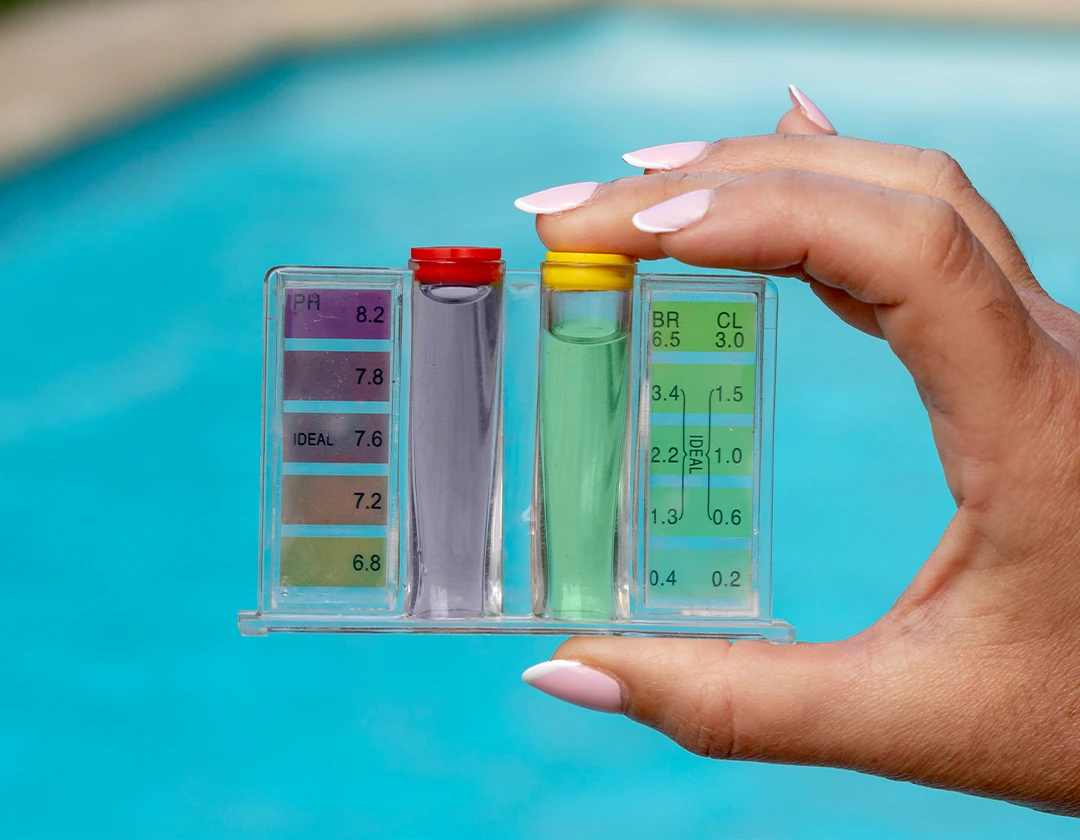
Test the water before adding anything. A basic test kit gives you a starting point. Then work through the chemistry in this sequence; the order isn't arbitrary.
Total Alkalinity (80–120 ppm), start here. Alkalinity is what keeps pH from swinging around. If it's off, nothing else you adjust to the water is going to hold.
pH (7.4–7.6), after alkalinity is in range. High pH and chlorine lose their effectiveness. Low pH and the water starts corroding surfaces, equipment, and becomes noticeably uncomfortable to swim in.
Calcium Hardness (200–400 ppm). This one gets skipped a lot. When calcium is too low, the water pulls it from wherever it can find it, plaster, tile grout, and metal fittings. That damage adds up over seasons.
Chlorine shock, last. Once the other numbers are where they need to be, shock the pool. For a pool that's been closed since fall, go heavier than you think you need to. Run the pump for 24 to 48 hours straight, then test again
The Filter Needs Attention Too
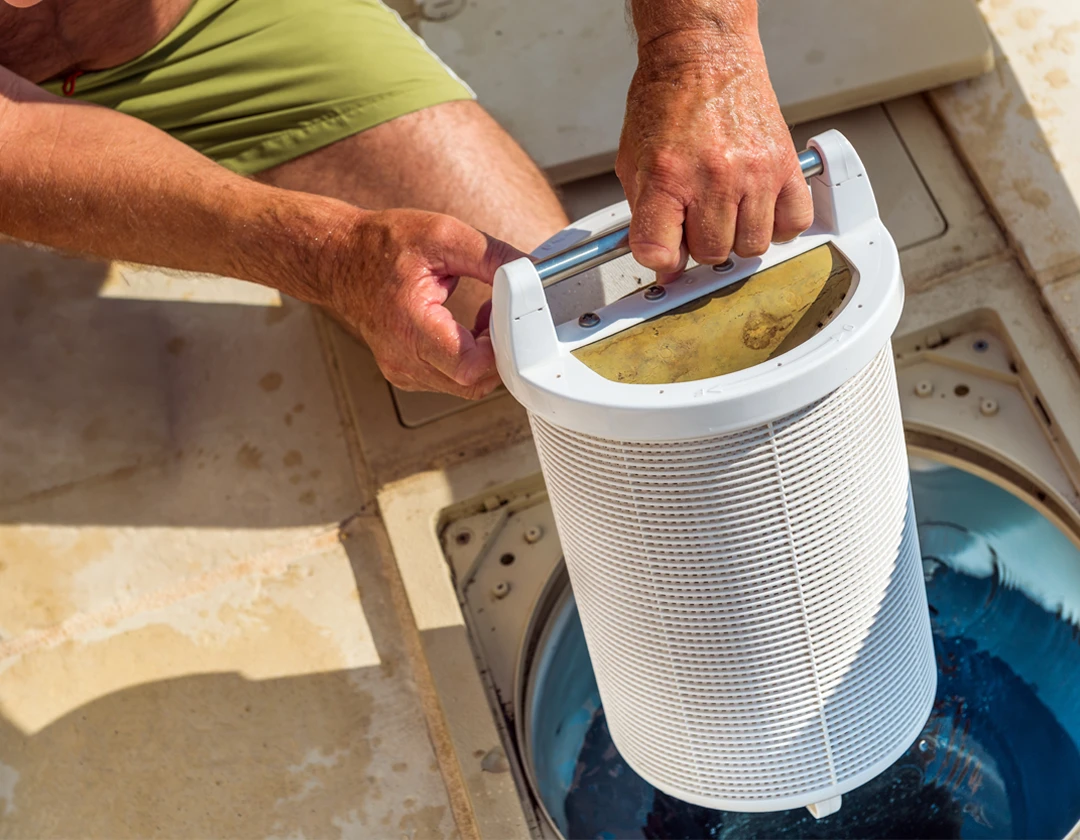
Sand filter? Backwash it before startup. Cartridge filter? Pull it out, inspect it, and clean it. If the cartridges have two or three seasons on them, just replace them. A degraded cartridge struggling through a full summer is a constant uphill battle, water stays hazier than it should and chemistry fights you the whole way.
This is basic seasonal pool maintenance that makes everything easier downstream. Do it at opening, not after you've been fighting cloudy water for a month.
Safety First, and This Part Isn't Optional
Drain covers. Check them. Cracked, missing, or improperly seated covers are a genuine safety hazard and need to be fixed before the pool is used. Period.
Walk the fence line. Test every gate and latch. Winter shifts things, hinges stiffen, latches stop catching, and self-closing mechanisms get sluggish. A pool fence that doesn't function correctly isn't a minor issue.
Pool alarm? Test it. These get overlooked at opening every year, and they matter.
Run the System for 48 to 72 Hours Straight
Once everything is hooked up and chemistry is reasonably close, let the pump run continuously for two to three days. Circulates the shock, lets the filter work, and surfaces any equipment issues while you still have time to deal with them before peak season.
Test again at the end of that window. Adjust what needs adjusting. Then open it.
Pool Equipment Coverage, Something to Have Before You Need It
The pump, filter, and heating system on an inground pool work hard all season. When something in the pumping or filtration system breaks down mid-July, the repair cost isn't small, and the timing is always terrible.
APHW offers optional in-ground pool and spa coverage as part of its home warranty plans. It covers the heating, pumping, and filtration system components, the things that actually keep the pool running. Having it in place before something goes wrong is a very different experience from trying to figure out coverage after the fact.
Call 800.648.5006 or visit APHW.com to learn more.
Terms and conditions apply. Coverage varies by plan. Refer to your service agreement for full details.
