
The Ultimate Babyproofing Checklist for New Parents
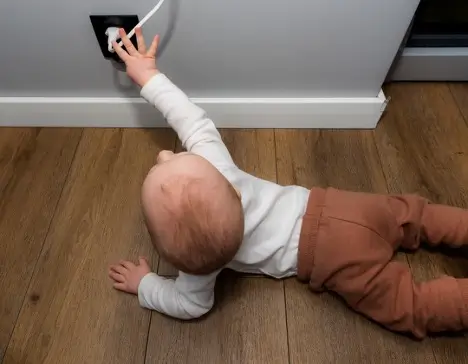
Congratulations—you’re expecting! While you’re choosing names and setting up the nursery, don’t forget one of the most important steps before your little one arrives: babyproofing your home.
Tiny humans grow fast—and they’re curious. This guide will help you prepare each room in your home for a safe, stress-free start to parenthood.
Start with a Master Checklist
As you evaluate your home, keep a running list of the following:
- How many locks, latches, and safety covers you need
- Home repairs to complete before baby arrives
- Furniture that needs to be moved, anchored, or replaced
- Top babyproofing priorities
- Your total babyproofing budget
Give yourself time—every home is different, and you may need to try a few solutions before landing on the right ones. In a pinch, simple DIY options like rubber bands around cabinet handles or pool noodles over sharp edges can help keep your baby safe.
Plumbing: Protect from Pipes and Fixtures
Plumbing might not be the first thing you think about when babyproofing, but it poses real hazards for curious hands.
- Check for leaks or clogged pipes — Dripping water near electrical sources increases risk of damage or shock. Call a professional if needed.
- Install toilet and cabinet locks — Keep little ones out of toilets and cleaning supplies.
- Use anti-scald devices — These attach to faucets to regulate water temperature and prevent burns.
- Add drain covers — Prevent small items (or toys) from disappearing down the drain.
- Consider smart plumbing tools — Smart faucets, showerheads, and toilets can help limit water flow and reduce the risk of accidental flooding.
Pro tip: Never flush baby wipes—even if they’re labeled flushable. Toss them in the trash to protect your plumbing system.
Electrical Safety: More Than Just Outlet Covers
Outlets get most of the attention—but cords and wires can be just as dangerous.
- Fix or replace loose or frayed wires.
- Detangle and bundle cords neatly.
- Store cords in cabinets or hard-to-reach areas.
- Install socket covers in every room.
- Hide or relocate power strips.
- Avoid running cords under rugs or near water.
Appliances: Safety for Curious Explorers
Infants explore with their hands—sometimes in places they shouldn’t. Make sure all appliances are:
- Properly connected to a power source.
- Free from gaps or cracks that fingers could find.
- Anchored to prevent tipping or disassembly.
In the Kitchen:
- Keep appliance cords out of reach.
- Clear out oven drawers or fill them with soft, baby-safe items.
- Fold towels securely so baby can’t pull them (and doors) open.
- Keep dishwashers closed when not in use.
- Move countertop items back to prevent tipping or burns.
Heating and Cooling: Stay Safe While Staying Comfortable
From radiators to vents, your HVAC system needs a babyproofing checkup too.
- Fence off outdoor A/C units and other external hardware.
- Hide HVAC remotes or attach them to walls with hook-and-loop fastener.
- Replace metal vent covers with plastic, and add childproof grates.
- Add protective gates around hot surfaces and fireplaces.
Pro tip: Make sure your HVAC system is safe for baby’s lungs.
- Inspect for carbon monoxide leaks.
- Clean the furnace humidifier.
- Maintain any air conditioning units, especially those in the nursery.
Nursery Safety: Soft, Simple, and Secure
Your baby will spend most of their early days in the nursery. Keep it cozy—and safe.
- Keep the crib free of toys, pillows, and blankets.
- Add a soft rug under the crib and changing table.
- Use stain-resistant fabrics to make cleanup easier.
Bonus Tips: Whole-Home Safety
Your entire home is now your child’s playground. Keep it safe with these final steps:
- Brush up on fire safety and update your family’s escape plan.
- Check for flaking or bubbling paint—especially near heat sources.
- Test all smoke alarms for proper placement and functionality.
Don’t Forget:
- Prevent termites before they start—especially important with a new baby.
- Keep your roof in good shape by budgeting for routine and emergency repairs.
Once you’ve taken these steps, you can rest easy knowing your home is ready for your growing family. Babyproofing doesn’t have to be overwhelming—just one thoughtful step at a time.
Click HERE to get your free quote today!
