
The Right Way to Clear a Clog: Choosing and Using Drain Cleaners Safely
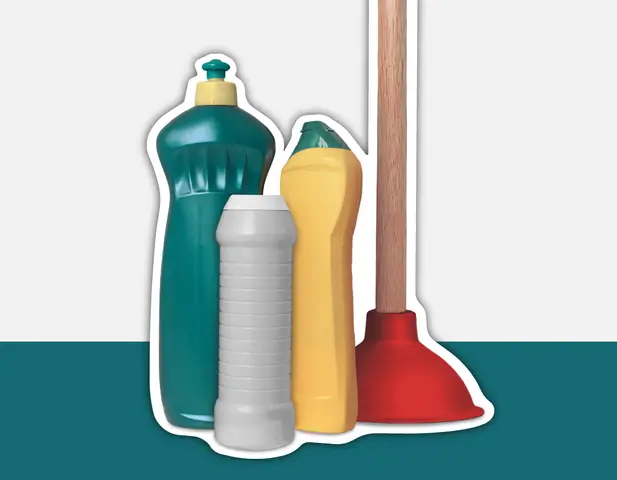
At APHW, we know that a slow-draining sink or shower is one of those little household annoyances that can turn into a real headache if you ignore it.
But before you find yourself ankle-deep in water wondering what went wrong, it’s worth knowing how to pick the right drain cleaner and how to use it without causing more trouble than you started with.
Start With the Basics
The moment you notice water taking its sweet time to drain, resist the urge to grab the harshest cleaner on the shelf. Sometimes the simplest tools — like a plunger or a drain snake — can clear the clog without a drop of chemicals. If that doesn’t work, then it’s time to think about a cleaner.
Know Your Options
Drain cleaners fall into three main categories:
- Chemical Cleaners
These are the heavy hitters.- Caustic/Alkaline cleaners use ingredients like lye to break down grease and hair. Gels tend to work better because they coat the clog instead of washing past it.
- Acidic cleaners are even stronger and can dissolve tough blockages quickly, but they’re harsh on pipes and dangerous to handle. Many homeowners leave these to the pros.
- Enzymatic Cleaners
Think of these as the gentle, eco-friendly option. They use bacteria or enzymes to slowly eat away at organic buildup. They won’t clear a stubborn clog overnight, but they’re great for maintenance and safe for most plumbing. Mechanical or Physical Methods
Tools like air-burst devices or augers rely on force rather than chemistry. They’re especially useful if you want to avoid chemicals altogether.
.webp)
Match the Cleaner to the Job
The right choice depends on:
- The type of clog — Hair and soap scum in a bathroom drain may call for a gel-based chemical cleaner. Kitchen grease? A caustic cleaner works well. For slow buildup in older pipes, enzymatic is the safest bet.
- Your pipes — PVC and newer plumbing can handle most products, but older metal pipes need gentler solutions.
- How fast you need it fixed — If it’s urgent, a chemical cleaner will act faster. For ongoing care, enzymatic cleaners prevent clogs from forming in the first place.
Safety First
If you go the chemical route, protect yourself and your plumbing:
- Wear gloves and eye protection.
- Never mix products — dangerous fumes can form.
- Follow the instructions on the label exactly.
- Don’t use a plunger or snake immediately after pouring in chemicals — you risk splashing yourself with caustic liquid.
Think Preventative
You can save yourself a lot of trouble with regular upkeep:
- Use an enzymatic cleaner once a month to keep drains clear.
- Avoid pouring grease or coffee grounds down the sink.
- Install drain strainers to catch hair before it causes problems.
Bottom line:
Not all clogs need the “nuclear option.” Starting with mechanical tools, choosing the right type of cleaner for the job, and following safety precautions can save you money — and your pipes. And when in doubt, calling a professional is a safe option.
Click HERE to get your free quote today!