
The Essential Home Inspection Checklist for Aspiring Homeowners
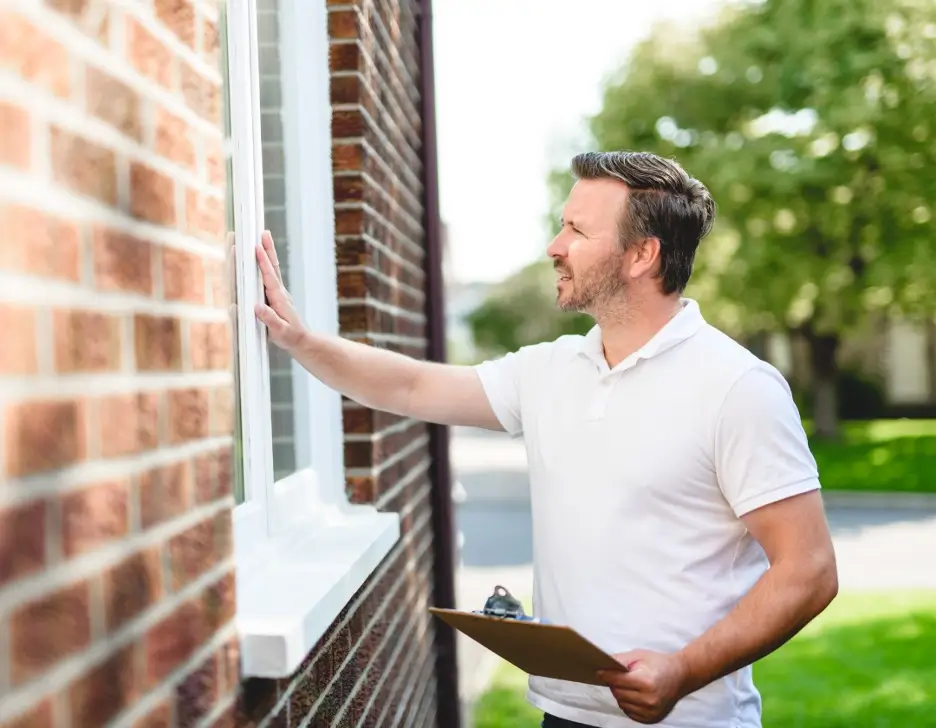
Buying a home is one of the biggest decisions you'll ever make—and one crucial step can save you from unexpected costs and future regret: a thorough home inspection.
Whether you're hiring a professional or walking through the property yourself, inspecting the home before closing is essential. Below, you’ll find a comprehensive home inspection checklist to help you make an informed, confident decision.
Pro tip: If you’re doing it yourself, always prioritize safety. Use the right tools and take precautions around heights, electrical systems, or anything involving mold, asbestos, or other hazards.
Exterior Inspection
Start from the outside in. The exterior sets the stage for a home’s long-term health.
- Roof: Look for damaged or missing shingles, flashing issues, and any visible sagging.
- Gutters & Downspouts: Check for clogs, detachment, or signs of water pooling.
- Siding & Walls: Watch for cracks, rotting wood, and insect damage.
- Foundation: Look for settling, moisture damage, or visible cracks.
- Windows & Doors: Check for leaks, drafts, and worn-out weather stripping.
Interior Inspection
Step inside and take a close look at the structural and mechanical elements that make the house functional.
- Ceilings & Walls: Water stains or cracks may point to plumbing or foundation issues.
- Floors: Test for unevenness, loose tiles, or squeaky boards.
- Plumbing: Run faucets, flush toilets, and look under sinks for leaks or drainage issues.
- Electrical: Test outlets, lights, and switches. Be cautious of any exposed wiring.
- HVAC System: Replace filters and consider a professional inspection for long-term performance.
- Appliances: Ensure included appliances function properly and are in good condition.
- Smoke & CO Detectors: These should be present and fully operational.
Basement & Attic Inspection
These often-overlooked areas can reveal big problems if ignored.
- Basement: Look for signs of moisture, mold, pests, or structural wear.
- Attic: Check insulation, ventilation, and signs of past leaks or poor energy efficiency.
Safety & Security
Covering your home starts with the basics.
- Fire Extinguishers: Make sure they’re visible, accessible, and not expired.
- Security Systems: Test motion sensors, alarms, and any included smart home features.
- Locks & Deadbolts: All exterior doors should be secure and function properly.
Outdoor Areas
A home’s exterior landscape and features deserve attention, too.
- Landscaping: Ensure trees and shrubs aren’t damaging siding, roofing, or foundation.
- Driveway & Walkways: Look for cracks or uneven areas that may require repair.
- Deck/Patio: Test for soft spots, loose boards, and unstable railings.
- Fencing: Should be upright, secure, and in good condition.
General Maintenance
Not everything’s urgent, but small fixes now can prevent bigger costs later.
- Caulking & Seals: Check seals around tubs, sinks, windows, and doors for wear.
- Paint & Finish: Watch for peeling, chipping, or signs of rot.
- Insulation: A quick look in the attic and any accessible wall spaces can reveal if insulation is missing or degraded.
Additional Considerations
Older homes may have hidden risks worth checking out before you buy.
- Pests: Look for droppings, gnawed wood, or signs of infestation.
- Mold & Mildew: Pay close attention in damp areas like basements and bathrooms.
- Radon: This invisible gas can be dangerous; testing is recommended.
- Lead & Asbestos: If the home predates the 1980s, testing may be wise for health and safety.
Final Thoughts
A home inspection is more than a checklist—it’s your first act of protection as a homeowner. It helps you understand the full picture before you commit and gives you the leverage to ask for necessary repairs or pricing adjustments.
While DIY inspections are helpful, certain aspects—like plumbing, roofing, or HVAC—are best handled by professionals. Peace of mind is worth it.
Click HERE to get your free quote today!