
Tank vs. Tankless: Which Water Heater Is Right for Your Home?
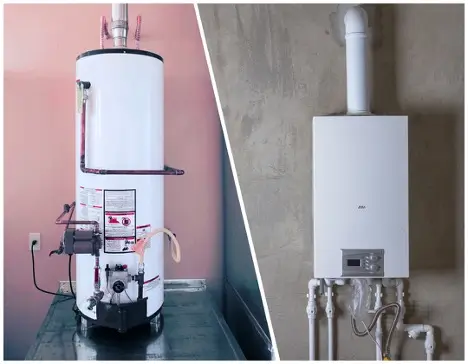
Hot water makes life easier—from warm showers to clean dishes and fresh laundry. Whether you're building a new home or upgrading your current setup, understanding the differences between traditional and tankless water heaters can help you make the best choice for your household.
What Does a Water Heater Actually Do?
Your water heater connects to your home’s plumbing and heats incoming water for daily use. While some newer systems integrate with HVAC setups, the goal remains the same: consistent access to hot water on demand.
Here’s how it works:
- Electric water heaters use heating elements, powered by a junction box on the tank’s top.
- Gas water heaters use a burner and pilot light to warm the water.
In traditional tank models, heated water rises to the top of the tank and is distributed through your plumbing system. In tankless models, water is heated as it flows through the unit—no storage tank required.
Pro tip: Most water heaters are located in the garage, basement, attic, or a dedicated closet. If you haven’t checked yours in a while, now’s a good time.
Pros and Cons of Traditional vs. Tankless Water Heaters
Traditional Water Heaters
Benefits:
- Store hot water for emergencies.
- Easily support multiple appliances running hot water at once.
- More effective in colder climates (especially gas-powered models).
- Easier and cheaper to repair due to widespread parts availability.
Drawbacks:
- Larger footprint
- Higher energy usage to keep water hot at all times
Tankless Water Heaters
Benefits:
- Compact and space-saving
- More energy-efficient—heat water only when needed
- Provide an almost endless supply of hot water during daily use
Drawbacks:
- Limited simultaneous usage—may not support multiple appliances well
- No reserve of hot water during outages
- More expensive to install
How to Choose the Right Water Heater for Your Needs
Before deciding, consider:
- Daily usage: How often are appliances like the shower, dishwasher, and washing machine used at the same time?
- Repair access: Is the water heater easy to reach and maintain?
- Budget: What can you afford in terms of installation, upgrades, and fuel source?
Cost Comparison: Tank vs. Tankless
Tankless Water Heaters
- Electric models: ~$600
- Gas models: ~$1,000+
- Installation: $1,100 to $3,400 depending on complexity
Pro tip: Many utility companies offer rebates or tax incentives for switching to a tankless model. Check with your provider or the manufacturer to explore options.
Traditional Water Heaters
- 30-gallon model: ~$550
- High-end 80-gallon model: $3,500+
- Additional costs may include:
- Fuel source conversion
- Venting for gas models
- Upgrading to a larger tank size
Pro tip: Always confirm the appropriate tank size for your household before buying. Manufacturer websites or local professionals can help you choose based on your square footage and water usage.
Final Thought
There’s no one-size-fits-all answer. A traditional water heater offers reliability and easier repairs, while a tankless unit may lower energy bills and save space. Evaluate your needs, habits, and home layout to decide which water heater makes the most sense for you.
Hot water is non-negotiable—but how you get it is up to you.
Click HERE to get your free quote today!
