
Smoke Detector Maintenance: Simple Steps That Can Save Lives
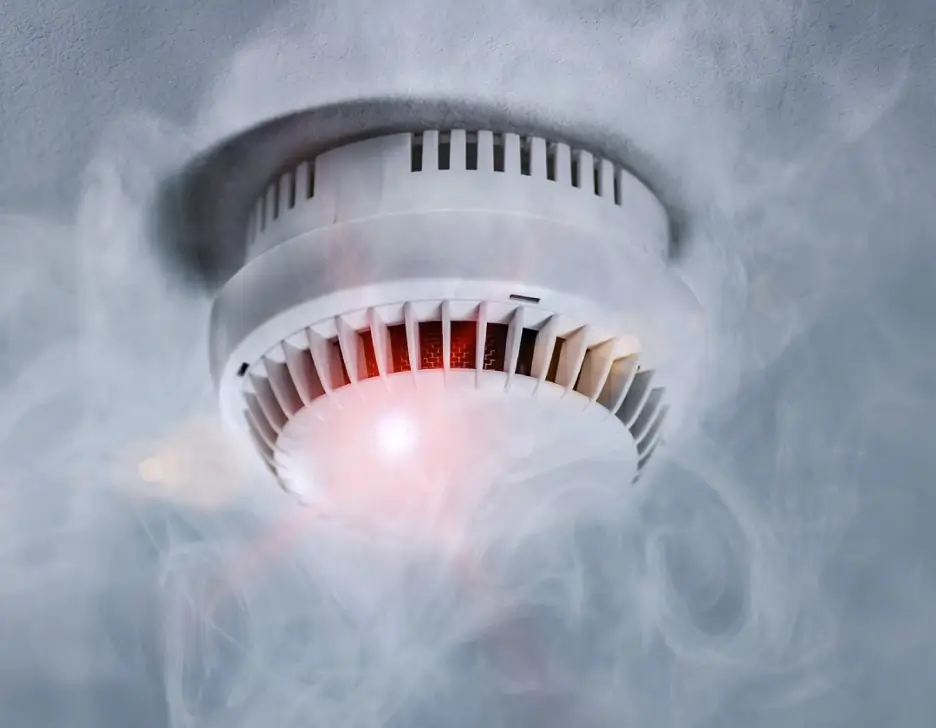
That low-battery chirp from a smoke detector is an easy target for homeowner jokes—until it’s not. Smoke alarms save lives, but only if they’re working properly.
One alarming fact: Three out of every five home fire deaths occur in homes with no smoke alarms or with alarms that aren’t working. The good news? A little maintenance goes a long way in making sure yours is ready when it matters most.
Dual Duty & Proper Placement
Consider upgrading to combination smoke and carbon monoxide detectors. These devices protect against two major hazards while saving space.
Placement tips:
- Install at least one detector on every level of your home.
- Ideally, place one in each bedroom and guest room.
- Keep detectors at least 4 inches away from corners to avoid dead air pockets that can keep smoke from reaching the sensor.
- On flat ceilings: place in the center.
- On vaulted ceilings: install at least 4 inches down from the peak.
- On walls: mount at least 4 inches below the ceiling line.
Give It Room to Breathe
Proper airflow is key to accurate detection. Avoid installing detectors in spots where corners or peaks can trap “dead air” and push smoke away from the sensor.
Maintenance Made Simple: 1-2-10
Remember this easy formula:
- 1 – Test each detector once a month.
- 2 – Change the batteries twice a year, even if they’re not chirping.
- 10 – Replace the entire unit every 10 years.
Pro tip: Change batteries when Daylight Saving Time begins and ends—it’s an easy calendar cue. While you’re at it, vacuum away dust buildup to prevent interference.
One Last Warning
If you’re painting walls or ceilings, never paint over your smoke detector. Paint can block the sensors and stop it from working—turning a lifesaving device into a silent decoration.
The Bottom Line
Smoke detectors are one of the simplest, most effective safety devices in your home. A little attention now ensures they’ll be ready when you need them most.
Click HERE to get your free quote today!