
Small Kitchen Renovation: 4 Factors to Make the Most of Your Space
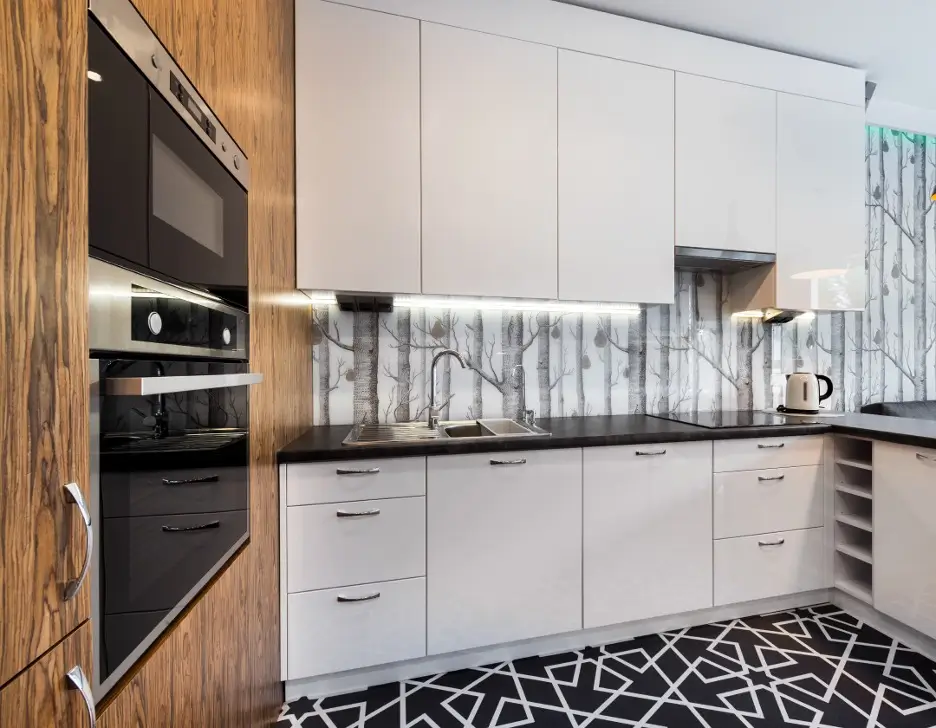
Summertime brings many a kitchen renovation—and if your kitchen is on the smaller side, you might be facing some tough decisions.
Whether you’re upgrading out of necessity or creativity, getting the most out of your small kitchen reno starts with a clear plan.
Here are four key factors to consider when transforming your kitchen into one of the most functional and stylish rooms in your home.
1. What’s Your Budget?
Start by determining how much your household can comfortably spend. A smart renovation budget includes room for incidentals (around 10% of the total) and accounts for:
- DIY vs. professional labor
- Material quality and sourcing
- Project timeline and deadlines
- Opportunities to save by upcycling or refinishing
- The goal of the renovation—more storage, easier cooking, better flow
- Extra costs like permits, electricians, or appliance disposal
Depending on your plans and how creatively you stretch your resources, a small kitchen renovation can range from $4,000 to $25,000. Focus on safety, usability, and the updates that will serve your household daily—even if that means skipping a few luxury details.
Pro Tip: Renovations may be more affordable at the end of summer or during the off-season. Get estimates from local contractors to see how much you could save.
2. Kitchen Pain Points
Instead of gutting the whole kitchen, focus on your top 1–3 frustrations. This helps you prioritize features and create a more cohesive design.
Storage
Limited storage is one of the biggest challenges in small kitchens. Consider:
- Stackable mixing bowls and cookware
- Rolling carts or movable islands
- Pull-down shelving systems
- Wall-mounted magnetic knife strips
Start by editing down what you actually use, and donate or store the rest. A little decluttering goes a long way.
To elevate the space, choose a couple of focal pieces and build your design around them. Add cozy mats, matching towels, or updated drawer pulls for an affordable refresh.
Kitchen Outlets
Outlet placement plays a major role in how efficiently you can prep and cook. Take inventory of your current setup:
- How many outlets do you have?
- Are any broken or hard to reach?
- Do you have space to plug in a dishwasher, crockpot, or air fryer?
- If you’re adding an island, can you safely install an outlet for it?
Pro Tip: In many areas, a kitchen island is required to have its own electrical source. Check your local code before planning.
If you’re not ready for electrical upgrades, try these alternatives:
- Outlet covers for unused plugs
- Power strips mounted under cabinets
- Reorganizing appliances to reduce clutter
For a high-end solution, electronic drawers allow you to store and charge devices out of sight. These run $200–$600, but smaller solutions like under-cabinet charging stations can help now.
Pro Tip: Take this opportunity to check your smoke alarms, review your fire safety plan, and make sure your home has a functioning fire extinguisher.
Flow and Adjacency
Changing one room often affects the way other rooms are used. Ask yourself:
- Does the kitchen feel separate or connected to other spaces?
- Would opening a wall improve traffic flow or social interaction?
- Can you convert nearby rooms—like the laundry room or a hallway—into functional extensions?
Ask your household what they want from the space. You may uncover new ways to make your home more efficient overall.
3. Kitchen Cleaning and Maintenance
Your new kitchen should be as easy to maintain as it is beautiful. Ask:
- Will the surfaces clean easily with what you already have?
- Is there enough lighting to clean thoroughly and safely?
- Will you have proper ventilation (fan, hood, or window)?
- Can you service your appliances in a single maintenance routine?
Modern doesn’t have to mean high maintenance. Choose finishes that are durable, easy to clean, and designed to work as hard as you do.
4. Resale Value and ROI
Even if you’re not planning to move, thinking about resale can help guide your design choices. Life changes quickly—mobility needs, family size, or a career move could shift your plans sooner than expected.
If you’re drawn to niche designs, explore temporary décor hacks that feel permanent but are easy to remove if needed. Peel-and-stick backsplashes, cabinet overlays, and portable islands all offer flexibility without a long-term commitment.
Click HERE to get your free quote today!