
Plumbing Basics Every Homeowner Should Know
An overflowing toilet. A pipe leaking like a faucet. These are the moments when knowing a little about your plumbing system goes a long way. Here are a few essential plumbing tips to help you protect your home and minimize water damage in a pinch.
Shut It ALL Off
The most important plumbing tip every homeowner should know? How to shut off the water to your entire house.
In an emergency, turning off your main shutoff valve can stop a water disaster in its tracks. Even just a half inch of standing water can cause serious structural damage if left unchecked.
Here’s what to do:
- Locate the main shutoff valve — This may be inside your home near the water heater, in the basement, or outside by the foundation. It could be a handle you turn clockwise or a bolt that requires a wrench.
- Check your inspection report — Can’t find it? Your home inspection report likely has the location and a photo.
- Keep the right tool nearby — If the valve needs a wrench or specialty key, buy one and store it near the shutoff point for quick access.
Once you know how to turn off the main valve, you’ll be prepared to stop the flow of water immediately while waiting for a plumber or preparing for a major repair.
Keep It Localized
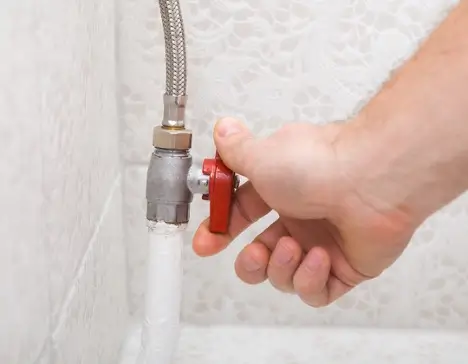
Many appliances and fixtures—like toilets, sinks, and washing machines—have their own shutoff valves. These allow you to cut off water to just one area without affecting the rest of the house.
When you move in, take time to locate all of them. They’re usually found:
- Right behind or beneath the fixture
- On exposed piping
- Marked with brightly colored handles (often plastic or chrome)
To shut off a localized valve, turn the handle clockwise.
Quick tip: Avoid blocking these valves with furniture or decor. In an emergency, you’ll want easy access. Consider keeping slip-joint pliers handy, too—some valves can be tricky to reach or stiff from lack of use.
Defend Your Pipes the Smart Way
Drain cleaner might seem like the fastest fix for a clog—but over time, those harsh chemicals can damage your pipes.
A safer, more natural solution:
- Pour baking soda down the drain.
- Follow with vinegar to break down organic matter.
- Finish with boiling water to flush it out.
Use chemical drain cleaner only as a last resort, and always follow the manufacturer’s instructions carefully to avoid causing more harm than good.
You don’t need to be a master plumber to prevent water damage and expensive repairs. By knowing where your shutoff valves are, how to access them, and how to treat your drains with care, you can save yourself a lot of stress—and a lot of money.
Stay dry, stay prepared.
Click HERE to get your free quote today!
