
Let It Flow: How to Unclog Your Sprinklers and Keep Them Running Smoothly
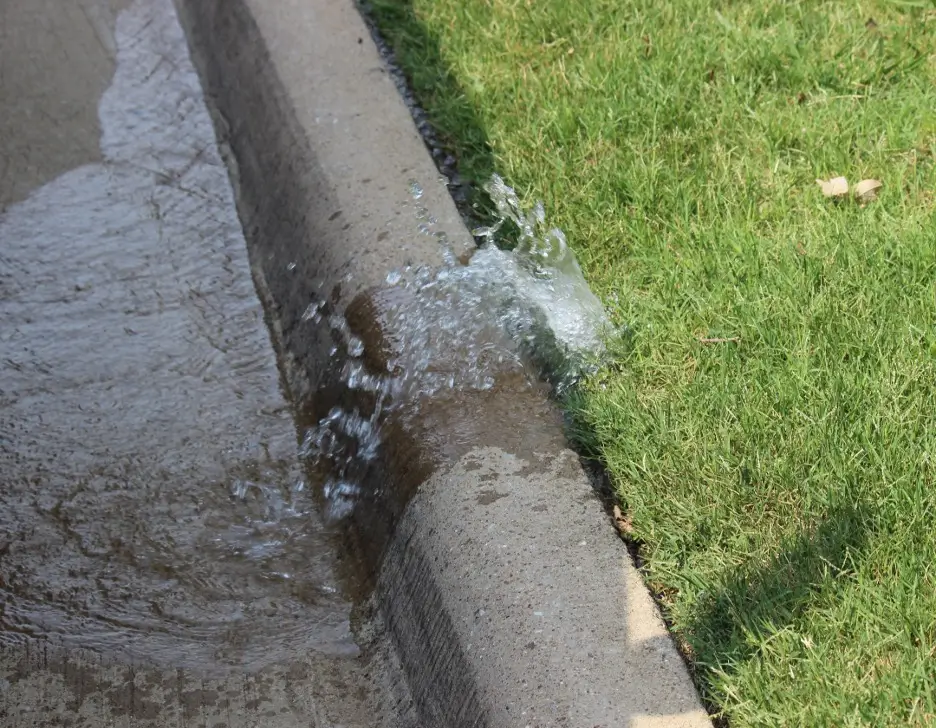
Your sprinkler system should make lawn care easy—until one day, a stubborn clog throws everything off. Whether you’re dealing with low pressure, misty sprays, or random leaks, a clogged sprinkler head can spell trouble for your yard and your water bill.
Here’s how to spot, clean, and prevent sprinkler clogs like a pro. Plus, we’ve included a few budget-friendly tools to keep things flowing all season long.
How to Know If Your Sprinkler Is Clogged
Sprinkler issues often start small, but left unchecked, they can waste water and damage your system. Look out for these telltale signs:
- Low water pressure
- Sprinkler misting instead of spraying
- Water leaks near the base of the sprinkler head (especially after mowing)
- Rust stains on nearby concrete, furniture, or vehicles
- Clogged pipes or nozzles
Pro tip: If you see even one of these signs, it’s time to take a closer look—catching clogs early makes cleanup much easier.
What Causes Sprinkler Clogs?
Most clogs are caused by a mix of mineral buildup (from iron, calcium, or magnesium), dirt, and yard debris. These blockages often collect in or around the sprinkler head and can extend into the attached hose or underground plumbing.
De-Clogging Tools You Can Pick Up Today
Before you call for repairs, a quick trip to the hardware store could save you hundreds. Here are a few low-cost tools to help clear and prevent clogs:
- Microfiber cloths ($1–$10): Great for wiping off debris.
- Toothbrush ($1–$5): Gets into tight spaces to remove dirt and buildup.
- Sprinkler guards ($5–$10): Keeps debris out during watering season.
- Sprinkler head caps (under $5): Protects heads during the off-season.
Cancel That Clog: Step-by-Step Cleaning
Before you begin, always turn off your sprinkler system (including timers or connected smart systems) and check your owner’s manual for any brand-specific guidelines.
Level 1: Light Dirt and Debris
- Wipe the sprinkler head with a dry microfiber cloth to remove loose grass, dust, or mud.
Level 2: Moderate Buildup
- Use a toothbrush to scrub around the nozzle or openings.
- Wipe away loosened debris with your microfiber towel.
- Use a gentle, system-safe cleaning solution if needed.
Level 3: Heavy Mineral Deposits
- Gather gloves, warm water, a bucket, and a rust/calcium remover.
- Mix cleaner with warm water in a well-ventilated space.
- Remove the sprinkler head, soak it in the solution, and scrub with a toothbrush.
- Rinse with clean water, dry with a towel, and reinstall.
Pro tip: Always inspect for cracks or wear while cleaning—early repairs can prevent water waste and system failure.
Keep It Clean: Ongoing Maintenance
- Wipe sprinkler heads every two weeks to stay ahead of buildup.
- Check your plumbing monthly to catch hidden clogs or pressure issues.
With just a little routine care, your sprinkler system can keep your lawn hydrated—and your summer hassle-free.
Click HERE to get your free quote today!