
Is a Whole House Fan Right for Your Home?
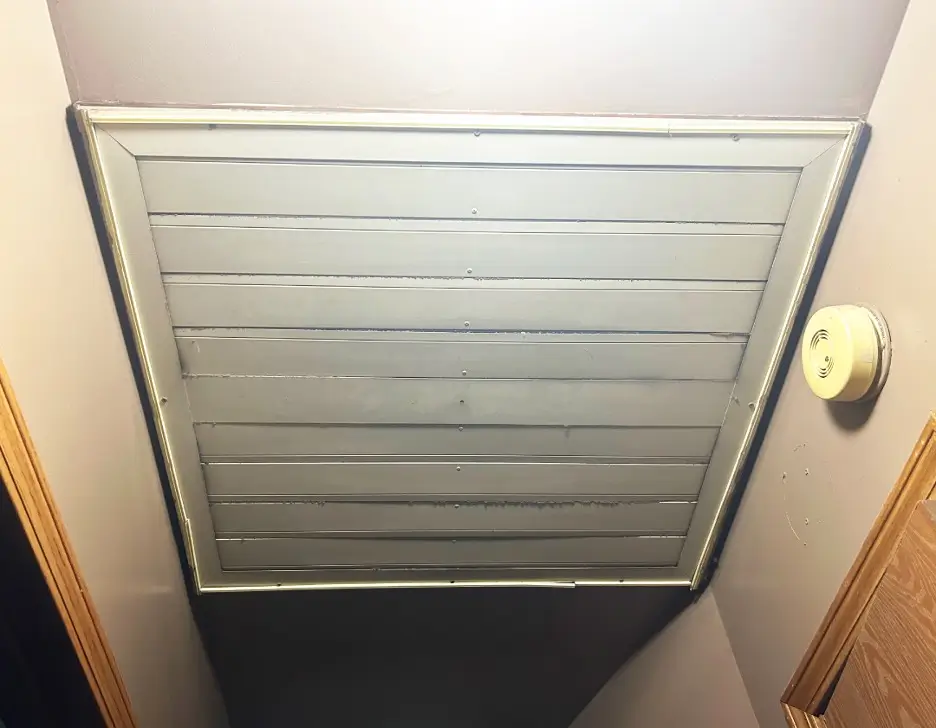
Many of us remember hot summer afternoons spent watching streamers ripple out of the window A/C unit or fighting with our siblings to hold “concerts” in front of the rotating fan.
While those moments made for fond memories, there’s a lesser-known agent of cool in our midst—the whole house fan. With the information below, you can find out if your home already has a whole house fan, and whether using one is right for you.
The Backstory of the Whole House Fan
Whole house fans were invented in the early 1900s, though they didn’t become a regular addition to homes until the 1950s and 1960s. Air conditioners had a similar rise to fame, but quickly became more popular as the more luxurious choice.
So, if the whole house fan is air conditioning’s less glamorous cousin, why is it making a comeback?
There are three main reasons this home cooling device is seeing another heyday:
- It’s more environmentally friendly
- It’s a more economical option
- Newer versions are much quieter than in previous generations
According to the US Department of Energy, whole house fans take the air coming in through open windows and push it out through your attic and roof, simultaneously ventilating your attic and cooling your home.
Imagine a fresh batch of air flowing through your home every five minutes. You’d have cool air circulating indoors—and less money circulating out of your wallet.
Whole House Fan vs. Attic Fan: What’s the Difference?
Though whole house fans are typically installed in attics for the best circulation, they’re not the same as attic fans. A few facts separate the two:
- Attic fans are mostly run during the hottest part of the day
- Attic fans cool the attic, not the whole house
- Attic fans reduce energy bills by keeping the attic cool
- Whole house fans reduce energy bills by cooling the entire home at a lower cost than A/C
Should You Get a Whole House Fan?
Now that you’re familiar with what this appliance does, it’s time to decide: To whole house fan, or not to whole house fan? Let the pros and cons below be your guide.
Whole House Fan Pros
- It’s less expensive than air conditioning.
- Typically quieter than air conditioning.
- In temperate zones, it can keep you cool all summer long.
- It can often be converted to provide whole-house ventilation.
Whole House Fan Cons
- Whole house fans cannot be installed in homes without attics.
- It’s not ideal for homes in areas with very high heat or humidity.
- Two or more windows must be kept open for the system to work well.
Pro tip: Already have a whole house fan? Learn the best way to use and maintain it here!
How Much Does It Cost to Install a Whole House Fan?
Once you've decided a whole house fan is right for your home, here’s what to expect financially.
Installation Costs
Whole house fan installation typically runs homeowners just over $1,700, according to Angi.com. Depending on the size of the fan your home needs, the appliance itself could range from $200 to $1,500 (depending on the CFM, or cubic feet per minute rating). Labor averages around $75 an hour.
What Size Fan Do I Need?
To find the right CFM for your home, use an online CFM calculator that factors in room dimensions and ceiling height. Though it may be tempting to get a smaller unit, the best fan is one that cools your home efficiently without overworking.
Other Potential Costs
Purchasing and installing a whole house fan may involve additional costs such as:
- Permits
- Inspections
- Ridge vent installation
- Carpentry to move attic joints for fan placement
All told, outfitting your home with a whole house fan could cost anywhere from $500 to $4,000. But with a life expectancy of 15–20 years, it can end up being much more affordable than long-term air conditioning use.
Can I DIY?
For such an important installation, working with a professional is best. Improper setup can cause the fan to run inefficiently or make unnecessary noise.
Now you’re equipped with another great way to keep warm days comfortable for your household. Happy cooling!
Get a quote today: https://www.aphw.com/request-quote/.