
How to Protect Your Pipes from Freezing (and Save Yourself Thousands in Repairs)
Every winter, thousands of U.S. homeowners face a costly and disruptive problem: frozen pipes. In fact, nearly one-third of all homeowners insurance claims stem from water damage and freezing, affecting around 14,000 people every single day.
State Farm alone paid over $181 million in frozen pipe damage claims in 2022, with most repairs costing between $1,200 and $5,000. The good news? With a few preventative steps, you can keep your pipes flowing and your wallet intact.
(Quick note: Homeowners insurance and home warranties aren’t the same thing, but they work hand in hand to support you and your home.)
1. Open the Cabinets & Let It Drip
When temperatures drop, your pipes need access to warm air. Open the cabinets under your kitchen and bathroom sinks to let heat circulate.
Pro tip: Move any hazardous cleaners or chemicals out of reach of children or pets before you open those doors.
Another simple safeguard is to let your faucets run at a slow drip during extreme cold snaps. Moving water is much less likely to freeze, and the minor uptick in your utility bill will be far cheaper than repairing burst pipes.
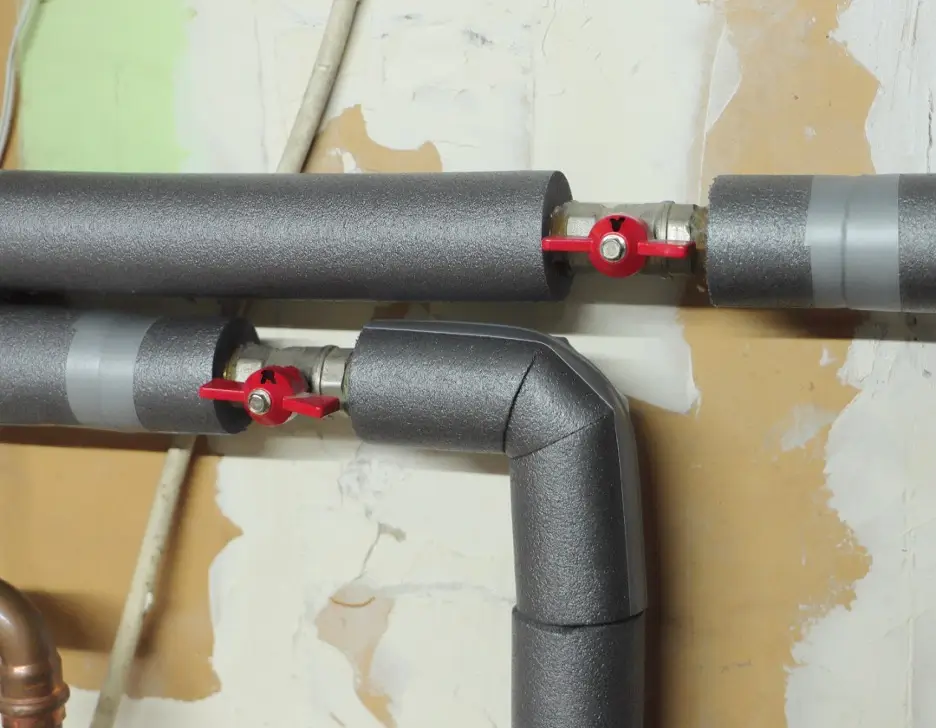
2. Insulate Your Pipes
Exposed pipes in basements, garages, or near exterior walls are particularly vulnerable. Your local hardware store offers budget-friendly insulation options such as:
- Foam pipe insulation
- Heat tape or rubber tape insulation
- Pipe wrap insulation
Spending a few dollars on insulation now can save you thousands in water damage later.
3. Keep Your Home Warm—Even When You’re Away
Resist the temptation to drop your thermostat too low when you’re not home. Experts recommend maintaining at least 50°F indoors during freezing weather to help keep pipes from freezing.
4. Take Preventative Steps Before Winter Hits
In the fall, prepare outdoor water systems before freezing temperatures arrive:
- Winterize sprinkler systems
- Drain and shut off hose bibs
- Properly close your pool for the season
Preventing water from getting trapped in these systems means avoiding expensive freeze-related repairs later.
5. What to Do if Your Pipes Freeze
If you turn on a faucet and nothing—or very little—comes out, a pipe may be frozen. Here’s what to do:
- Leave the faucet open so water can start moving once the ice melts.
- Warm the pipe slowly using a hair dryer, portable heater, or towels soaked in hot water.
- Never use an open flame—this can cause rapid expansion and rupture the pipe.
- If a pipe bursts, shut off your home’s water supply immediately and call a plumber.
The Bottom Line
Frozen pipes can be a costly winter disaster—but with the right precautions, you can avoid the headache altogether. Open your cabinets, let your faucets drip, insulate exposed pipes, and keep your home warm. A little preparation now means peace of mind (and flowing water) all winter long.
Click HERE to get your free quote today!