
How to Lower Your Home Energy Bills—Starting Today
Rising energy costs don’t have to overwhelm your household budget. With a few strategic changes—many of them quick and affordable—you can start reducing your utility bills right away, without compromising comfort. Here’s how.
Understand Your Utility Bill
Before you can save, you need to know what you’re spending, and why. Review your energy bill closely. Even a one-cent reduction in your per-kilowatt-hour rate could mean $100 or more in annual savings. Understanding your usage patterns gives you the knowledge you need to make smart adjustments.
Start With No-Cost and Low-Cost Changes
Not every upgrade requires a price tag. These no-cost and low-cost steps can have a big impact:
No-cost tips:
- Lower your water heater temperature to 120°F.
- Wash laundry in cold water.
Unplug devices that aren’t in use to reduce “phantom energy” draw (learn more about phantom loads here).
.webp)
Low-cost tips:
- Swap incandescent bulbs for LEDs.
- Seal windows and doors with weather stripping or caulk.
- Insulate hot water pipes and the water heater tank.
- Use smart plugs to control energy-draining devices remotely.
Build Energy-Saving Habits Into Daily Life
Behavioral changes are just as powerful as upgrades:
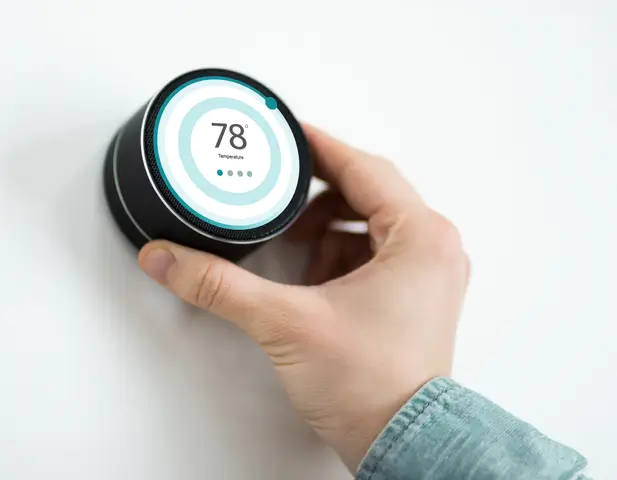
- Install and program a smart thermostat to adjust temperatures while you're asleep or away.
- Use ceiling fans: Set them to run counterclockwise in summer and clockwise in winter to improve air circulation.
- Run appliances like dishwashers and dryers at night or during off-peak hours to take advantage of lower rates.
- Gradually adjust your thermostat by 1–2 degrees to acclimate your household to reduced heating or cooling needs.
Make Long-Term Investments When Ready
Some upgrades require upfront costs but deliver serious long-term savings:
- Heat pumps can cut your annual heating and cooling costs significantly. They also qualify for up to $2,000 in federal tax credits under the Inflation Reduction Act.
- Solar panels and battery storage can drastically reduce your reliance on the grid, especially when paired with efficient appliances. Some reports have suggested that fully optimized homes can slash power bills by up to 90%.
Check for Air Leaks and Seal Them
Drafts and leaks cause major energy loss. Check for air escaping around windows, doors, and fireplaces. Use caulk, weather stripping, or draft stoppers where needed.
.webp)
Keep the damper on your fireplace closed when it’s not in use to prevent warm air from escaping.
Get a Home Energy Audit
If your bills are still high after making these changes, a home energy audit can help. Whether you choose a professional assessment or do it yourself, an audit will pinpoint where your home is wasting energy—and offer targeted solutions to fix it.
You can explore energy-saving tools like the Home Energy Saver calculator to get started.
By taking a layered approach—immediate fixes, behavioral habits, and long-term upgrades—you can bring your energy bills down and keep them down.
Want to go further? At APHW, we’re here to support your journey to a more efficient, affordable home. Reach out today to learn how a home warranty can help protect the systems and appliances that keep your home running.
Click HERE to get your free quote today!
