
How to Close Your InGround Pool for Winter: A Step-by-Step Guide
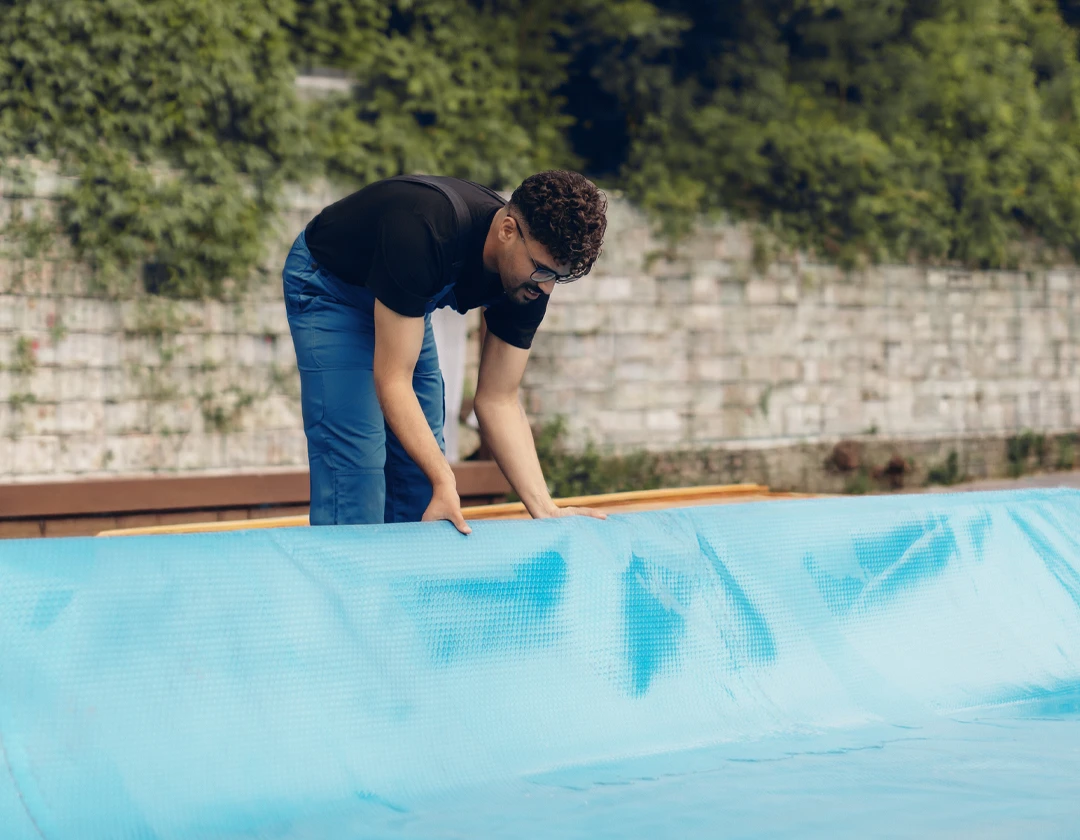
Quick answer: Closing an in-ground pool for winter involves cleaning and balancing the water, adding winterizing chemicals, cleaning and storing equipment, lowering the water level below the skimmer, draining and blowing out the plumbing lines, adding pool antifreeze in freezing climates, and installing a winter cover. Most homeowners close their pool once outdoor temperatures consistently stay in the 50s. The full process typically takes a day, and professional pool closings run $200 to $600.
Closing an in-ground pool the right way in the fall protects your investment through the coldest months and makes opening it in the spring far simpler. Skipping steps or rushing the process is where expensive damage tends to happen. Here's a complete guide, whether you plan to do it yourself or hire a professional.
When to Close Your Pool for Winter
Timing matters more than most people realize. Closing too early means the pool sits stagnant for weeks in warm weather, which encourages algae growth even under a cover. Closing too late risks freeze damage to plumbing, pumps, and heaters.
The general rule: close your pool when outdoor temperatures consistently stay in the 50s Fahrenheit or below. Water this cool slows algae growth to a crawl and makes your winterizing chemicals more effective.
If you have a pool heat pump, you may be able to stretch the swim season a few extra weeks. In warmer climates without a real freeze risk, closing involves fewer steps or none at all.
What You'll Need Before You Start
Gather these supplies before you begin:
- Pool vacuum, brush, and skimmer net
- Water test kit or test strips
- Pool shock and non-staining algaecide
- Winterizing enzyme
- Pool antifreeze (in freezing climates)
- Filter cleaner appropriate for your filter type
- Air blower or shop vacuum for blowing out the lines
- Freeze plugs or expansion plugs for the return lines
- Skimmer plate or ice compensator
- Winter pool cover, plus water bags or cover clips
If any of this is missing when you finally start, you'll be making a second trip mid-project. Better to have it all ready to go before you start.
Step-by-Step: How to Close Your Pool for Winter
1. Clean the Pool Thoroughly
Your pool's last cleaning of the season should be more thorough than a normal one. Skim the surface, brush the walls and floor, and vacuum the whole pool. Anything left behind will feed algae over the winter and give you a harder opening in the spring.
Remove ladders, handrails, diving boards, toys, and any other accessories. Clean each item, let it dry, and store it somewhere protected from the elements.
2. Balance Your Water
Test the water and adjust the levels before adding closing chemicals. Target ranges:
- pH: 7.4 to 7.6
- Alkalinity: 80 to 120 ppm
- Calcium hardness: 200 to 400 ppm
- Chlorine: 1 to 3 ppm
Water that's out of balance going into winter can cause staining, scaling, or corrosion by the time you reopen.
3. Shock the Pool
One to two nights before closing, shock the pool (a maintenance process designed to quickly increase the pool’s free chlorine levels to destroy contaminants and restore water clarity and safety). This kills bacteria and any algae spores that might otherwise take hold over the winter. Run the pump for several hours after shocking to distribute the chemicals evenly.
4. Add Winterizing Chemicals
Once the shock has done its work, add a non-staining winter algaecide and a winterizing enzyme. These stay active in the water long after the pump is shut off, which is what makes them different from regular pool chemicals.
Follow the dosing instructions on each product. More isn't better here. Overdosing algaecide can actually cause staining.
5. Clean the Filter
Different filter types require different treatment:
Cartridge filters: Remove the cartridge, spray it with pool filter cleaner, and let it soak according to the product instructions. Rinse at a 45-degree angle, flip, and rinse again. Let it dry fully before reinstalling or storing.
Sand filters: Backwash according to the manufacturer's instructions. Then drain the filter tank completely.
DE filters: Backwash, then remove the grids and rinse them. Add about a cup of DE (diatomaceous earth) powder into the skimmer to help the filter start clean in the spring.
6. Lower the Water Level
In freezing climates, drop the water level 6 to 24 inches below the skimmer. The exact amount depends on your cover type and expected snowfall. Solid winter covers with heavy snow loads generally need the water dropped further to accommodate the weight.
If you're in a warmer climate without a real freeze risk, you can leave the pool full.
Dispose of the drained water responsibly. Chlorinated water shouldn't run straight into storm drains in many jurisdictions.
7. Drain and Blow Out the Plumbing
This is the step where most freeze damage happens when it's skipped. Water left in the lines expands as it freezes and cracks pipes, fittings, and equipment.
Use an air blower or a shop vacuum in reverse to force air through each return line until only air is coming out. Then plug each return with a freeze plug or expansion plug to keep water from getting back in.
Drain the pump, filter, heater, and any other equipment that holds water. Store removed drain plugs somewhere you'll remember them in the spring.
8. Add Pool Antifreeze
In freezing climates, add pool-specific antifreeze to the plumbing lines as a second layer of protection. This is not automotive antifreeze. Pool antifreeze is non-toxic and formulated specifically for pool plumbing.
9. Install the Winter Cover
There are three common cover types, and they can be used alone or in combination:
- Leaf nets stop large debris while letting water pass through. Good for mild climates or as a first layer under a heavier cover.
- Winter covers block debris of all sizes and are the most common choice for pools in cold climates.
- Safety covers attach to the deck with anchors and are strong enough to support the weight of a person or a small child. Recommended for anyone with kids or pets that spend time in the yard.
Secure the cover with water bags, cover clips, or anchors, depending on the type. A loose cover in a windstorm turns into a much bigger problem than a properly secured one.
Should You Close the Pool Yourself or Hire a Pro?
Both are legitimate options. The right choice depends on your comfort level and the complexity of your setup.
DIY makes sense if: you have basic pool experience, you own or can rent an air blower, and your pool has a straightforward filtration setup without a lot of specialty equipment.
Hiring a professional makes sense if: this is your first close, your pool has a heater or a saltwater system, you're dealing with multiple returns and complex plumbing, or you'd rather not gamble on a mistake that could crack a pipe.
If it's your first year in the home, watching a professional handle the first close teaches you the process for future years.
How Much Does It Cost to Close a Pool?
Costs vary by region and pool complexity, but here's a general picture:
- DIY supplies: roughly $75 to $200 for chemicals, plugs, and antifreeze if you already own the equipment
- Professional closing service: typically $200 to $600, depending on pool size and complexity
- Winter cover replacement: $150 to $600 for a standard cover, or $1,000 to $3,000 for a safety cover
Skipping winterization to save money often costs more the following spring. Cracked plumbing, damaged pumps, and green swamp water are the most common outcomes.
What Happens If You Don't Winterize?
The short version: expensive damage in climates that freeze, and a harder spring opening even in climates that don't.
In cold climates, water in the lines freezes and expands, cracking pipes, fittings, pumps, filters, and heaters. Repairing this damage can run several hundred to several thousand dollars, and the pool may not be usable until the work is done.
Even in warmer climates, an untreated pool sitting stagnant for months develops algae, stains, and mineral buildup that take real time and money to reverse.
Maintenance During Winter
Once the pool is closed, a few quick checks through the season keep small issues from becoming big ones:
- Check the cover monthly for pooled water, ice buildup, or debris
- Pump water off solid covers before it freezes into a heavy sheet
- Check water chemistry once or twice during the winter if the pool isn't fully drained
- Clear snow off safety covers if the load gets heavy
How APHW Fits
APHW offers optional coverage for inground pools and spas as an à la carte add-on. The coverage includes the working components of the heating, pumping, and filtration system, subject to the plan's terms and exclusions. For homes with a saltwater pool or spa, premium coverage extends to saltwater components and cells.
Coverage helps when something on the equipment side fails during normal use. It doesn't cover damage caused by improper winterization, since that falls under neglect rather than normal wear and tear. A proper close doesn't just protect your pool. It protects your coverage, too.
For more on pool and spa coverage options, visit our Home Warranty Pricing page.
Ready to Get Covered?
If you're thinking about coverage for your in-ground pool, or you have questions about what a plan protects, we're happy to walk you through it.
Call 800.648.5006, visit aphw.com, or reach out to your APHW Area Sales Manager.