
How to Close Your In-Ground Pool for Winter
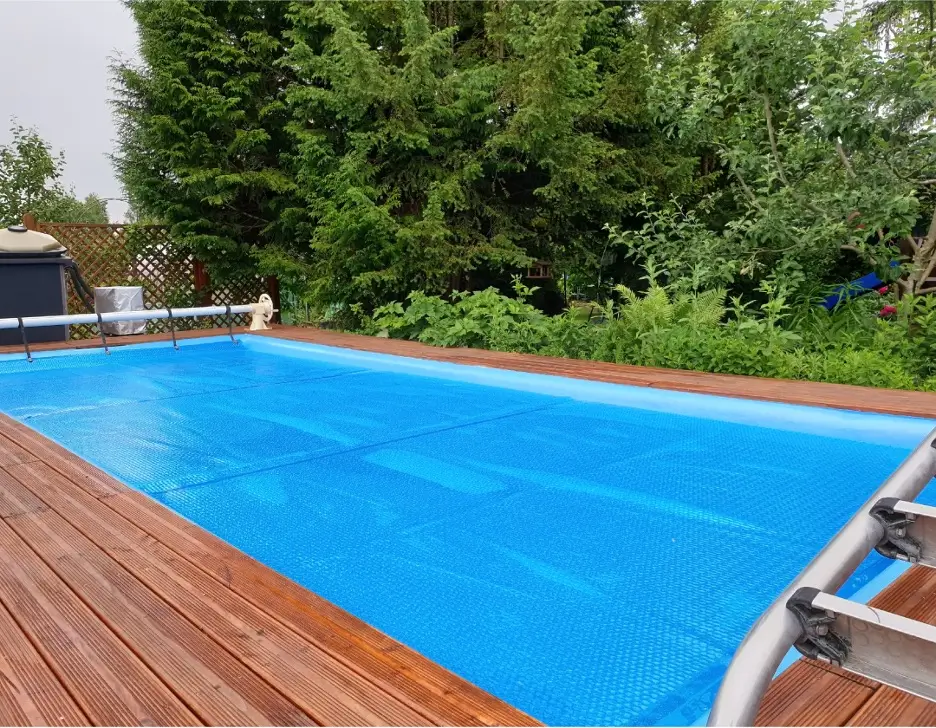
Fall is on its way, and that means it’s time to start prepping your big outdoor investments—especially your in-ground pool. Proper winterization can help extend your pool’s lifespan and make opening it in the spring much easier.
Here’s your step-by-step guide to closing your pool so it’s ready for many more seasons of fun.
1. Close Up Shop When the Temp Drops
If your winters get cold, plan to close your pool once temperatures consistently stay in the 50s.
Pro tip: If you have a pool heat pump, you may be able to stretch the swimming season a few extra weeks.
2. Give It a Full Scrubdown
Your pool’s last cleaning of the season should be thorough:
- Remove and clean all pool accessories (ladders, toys, etc.) before storing them away from the elements.
- Use your pool vacuum, brushes, and skimmer to get every wall, ledge, and corner spotless.
- Shock your pool 1–2 nights before closing for maximum effect.
- Balance your water and add enzymes, shock, and non-staining algaecide to kill bacteria, block algae growth, and prevent stains over the winter.
3. Clean the Pool Filter
Different filters require different care:
Cartridge Filters:
- Spray with pool filter cleaner and let soak as directed.
- Rinse at a 45-degree angle, flip, and rinse again.
- Let dry completely before reinstalling.
Sand & DE Filters:
- Backwash according to your manual.
- Drain water from the filter, pump, and pool heater.
- For DE filters, rinse removable grids and add about 1 cup of DE powder into the skimmer.
4. Skim and Drain
- Clean your pool pump and skimmer baskets (turn the pump off before opening).
- Run the pump for 24 hours after cleaning.
- Drain all plumbing to prevent freeze damage—this step is often best handled by a professional.
5. Winterize Equipment & Add Antifreeze (If Needed)
If your area experiences freezing temperatures:
- Drain 6–24 inches of water from your pool (depending on your cover and expected snowfall).
- Dispose of chemically treated water responsibly.
- Add pool antifreeze to plumbing lines for added protection.
If you live in a warmer climate, you can fill your pool to the brim.
6. Choose Your Pool Cover
There are three main types of pool covers, which can be used alone or together:
- Leaf Nets: For mild climates, blocks large debris while allowing water through.
- Winter Covers: Blocks debris of all sizes but allows water to pass.
- Safety Covers: Prevents debris and provides a secure barrier to prevent falls.
7. Maintain During the Winter
Once your pool is closed:
- Check chemicals and cover monthly to ensure everything’s in order.
- Then relax, sip hot chocolate, and enjoy the holidays—your pool will be ready for that first spring dive.
The Bottom Line
A well-winterized pool is easier to reopen, costs less to maintain, and lasts longer. And while a pool cover protects your water, a home warranty can protect your home’s major systems and appliances year-round.
Click HERE to get your free quote today!
