
Homeowner’s Guide: Troubleshooting Common Dishwasher Problems

A dishwasher is one of those modern conveniences we don’t fully appreciate until it stops working. Instead of saving time, you suddenly find yourself hand-washing every plate, glass, and fork.
But before you call for professional help, there are a few common issues you can check for yourself. Here’s a step-by-step guide to troubleshooting some of the most frequent dishwasher problems.
1. Dishwasher Won’t Start
Check the basics first.
- Make sure the door is fully closed and latched. Many models won’t run if the latch isn’t secure.
- Verify the dishwasher is plugged in and the breaker hasn’t tripped.
- If you have child lock features, ensure they aren’t accidentally engaged.
If none of these steps solve the issue, the problem may lie with the electronic control panel or wiring—at which point, a qualified technician should be called.
2. Dishes Aren’t Getting Clean
Few things are more frustrating than unloading a “finished” cycle only to find food particles still stuck. Possible causes include:
- Spray arm blockages: Remove the spray arms and rinse them under warm water to clear any clogs.
- Overloading: Crowding dishes can block water flow. Try loading fewer items and leave space between them.
Detergent issues: Check that you’re using the right type of detergent and that it hasn’t clumped due to moisture.
3. Dishwasher Is Leaking
A small puddle of water on the kitchen floor may have a simple cause:
- Door gasket wear: Inspect the rubber seal around the door. Cracks or warping can prevent a tight seal.
- Too much detergent: Over-sudsing can create leaks. Always follow manufacturer guidelines.
- Loose hose connections: Inspect the water inlet and drain hoses for looseness or cracks.
Persistent leaks may point to a faulty pump or valve, which often requires professional service.
4. Dishwasher Isn’t Draining
Pooling water at the bottom of your dishwasher usually means a blockage.
- Clean the filter: Most dishwashers have a filter at the bottom—remove it and clear away food debris.
- Check the drain hose: Look for kinks or clogs in the hose leading from the dishwasher to the sink drain.
- Inspect the garbage disposal: If recently installed or replaced, the disposal knockout plug may not have been removed, blocking drainage.
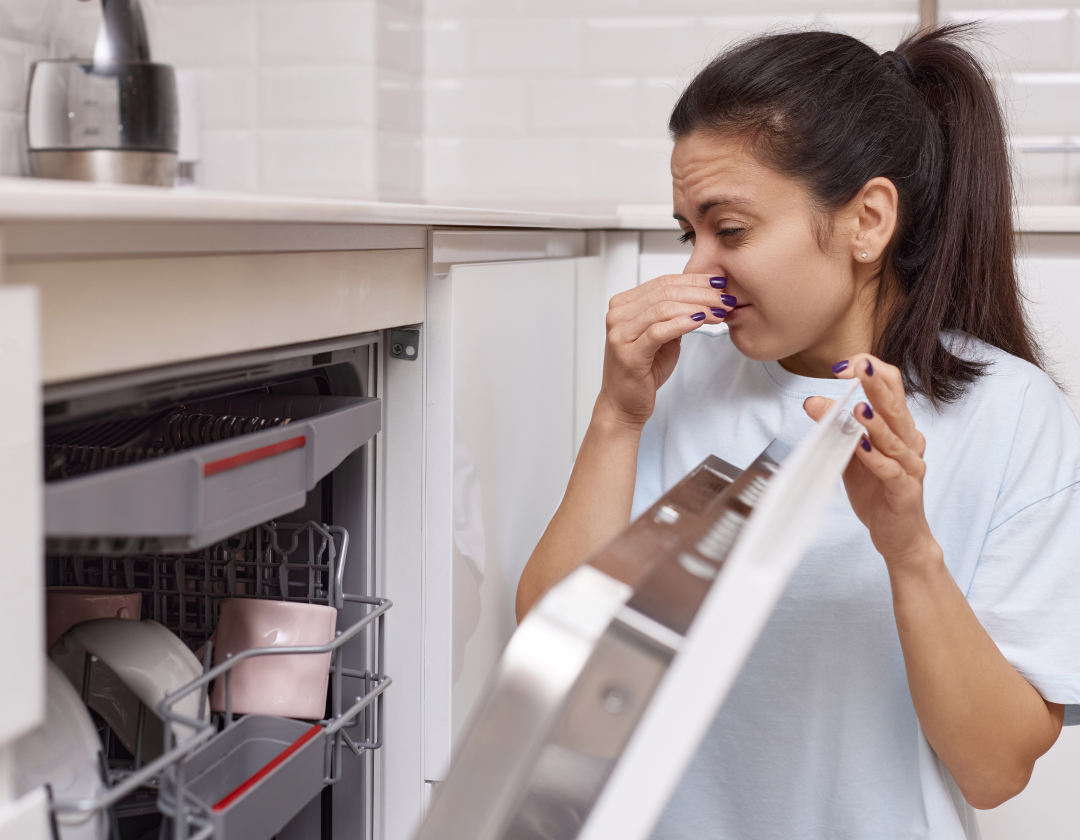
5. Dishwasher Smells Bad
That unpleasant odor is often from trapped food particles.
- Run a cleaning cycle: Place a cup of white vinegar in the top rack and run a hot cycle.
- Scrub the interior: Wipe down the walls, racks, and seals with warm, soapy water.
- Keep it dry: Leave the door ajar after cycles to allow airflow and prevent mold growth.
When to Call for Help
DIY troubleshooting can resolve many minor issues, but some problems—such as faulty heating elements, motor failures, or complex electronic errors—require professional attention.
This is where a home warranty provides real peace of mind. With an America’s Preferred Home Warranty, homeowners have the freedom to choose their own licensed contractor for covered repairs, ensuring quick service they can trust.
Final Thoughts
Dishwashers are workhorses in the modern home, and like any appliance, they need occasional care and attention.
By checking for common problems and knowing when to bring in a professional, you can extend the life of your appliance—and keep your kitchen running smoothly.
Click HERE to get your free quote today!