
Homeowner Plumbing Tips That Could Save You Time, Stress, and Money
From overflowing toilets to burst pipes, plumbing problems can quickly turn into expensive, messy emergencies. That’s why a little knowledge—and the right prep—can go a long way in keeping your home safe and dry.
At America’s Preferred Home Warranty (APHW), we believe in empowering homeowners with simple, practical tips to handle small plumbing issues and avoid major water damage. Here’s what you need to know.
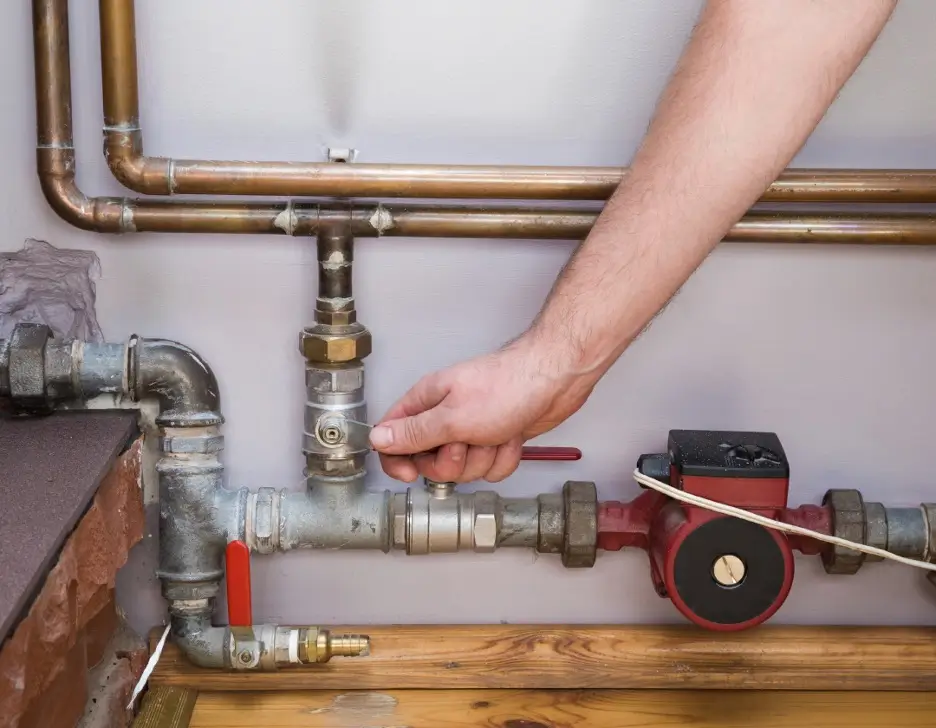
Know Where to Find—and How to Use—Your Main Shut-Off Valve
When a pipe bursts or a fixture leaks, every second counts. The main shut-off valve controls the water supply to your entire home and turning it off can prevent flooding and thousands of dollars in damage.
Most homes have two main shut-off valves: one located inside the home (often near the water heater, in a basement, garage, or crawlspace) and one at the street, near the edge of your lot.
Make sure everyone in your household knows where the indoor valve is and how to use it. Even a half inch of standing water can cause structural damage, so acting fast matters.
Pro tip: If your shut-off valve requires a special tool, your local hardware store can help you find the right one. Keep it stored nearby in case of an emergency.
How to Turn Off the Valve:
- Turn the handle or knob clockwise until it stops
- If it’s a bolt-style valve, use a wrench or tool to turn it—clockwise or counter-clockwise depending on the design
Locate Every Water Supply Valve in Your Home
Each fixture in your home—like sinks, toilets, and washing machines—has its own shut-off valve. These allow you to stop the water at the source without affecting the rest of the house.
Take the time to walk through your home and locate each valve. Look for small chrome or plastic handles on the water lines, typically located behind or underneath appliances and fixtures.
Practice turning them clockwise so you're prepared in case of a leak or overflow. Keep the area around each valve clear of furniture or clutter so you can access it quickly.
A good tool to have on hand: slip-joint pliers, which help turn stiff or hard-to-reach valves without damaging them.
A Safer Way to Clear Clogged Drains—No Chemicals Needed
Clogs happen. Hair, food particles, and soap scum can block up your pipes and slow your drains. While chemical drain cleaners are often the go-to solution, they can be harsh—damaging pipes and harming the environment with repeated use.
Here’s a simple, chemical-free method that’s safer for your plumbing and still gets the job done.
How to Unclog a Drain Naturally:
- Pour boiling water down the drain
- Add 1 cup of baking soda followed by 1 cup of vinegar
- Plug the drain and let the solution sit for 15 minutes
- Pour another round of boiling water down the drain
- Enjoy your clear, functioning pipe
This method uses the natural fizzing reaction of baking soda and vinegar to break down organic buildup—no harsh chemicals required.
Be Prepared Before Trouble Strikes
Plumbing issues rarely wait for a convenient time. That’s why a little preparation today can mean less stress tomorrow. Knowing where your valves are, how to shut off the water, and how to fix minor clogs can save you money and prevent panic.
Still, even with the best preparation, breakdowns happen. Make sure your home warranty covers plumbing and learn how to choose your preferred contractor for fast, trusted repairs when you need them most.
Click HERE to get your free quote!
