
Furnace Humidifier Maintenance: What Every Homeowner Should Know
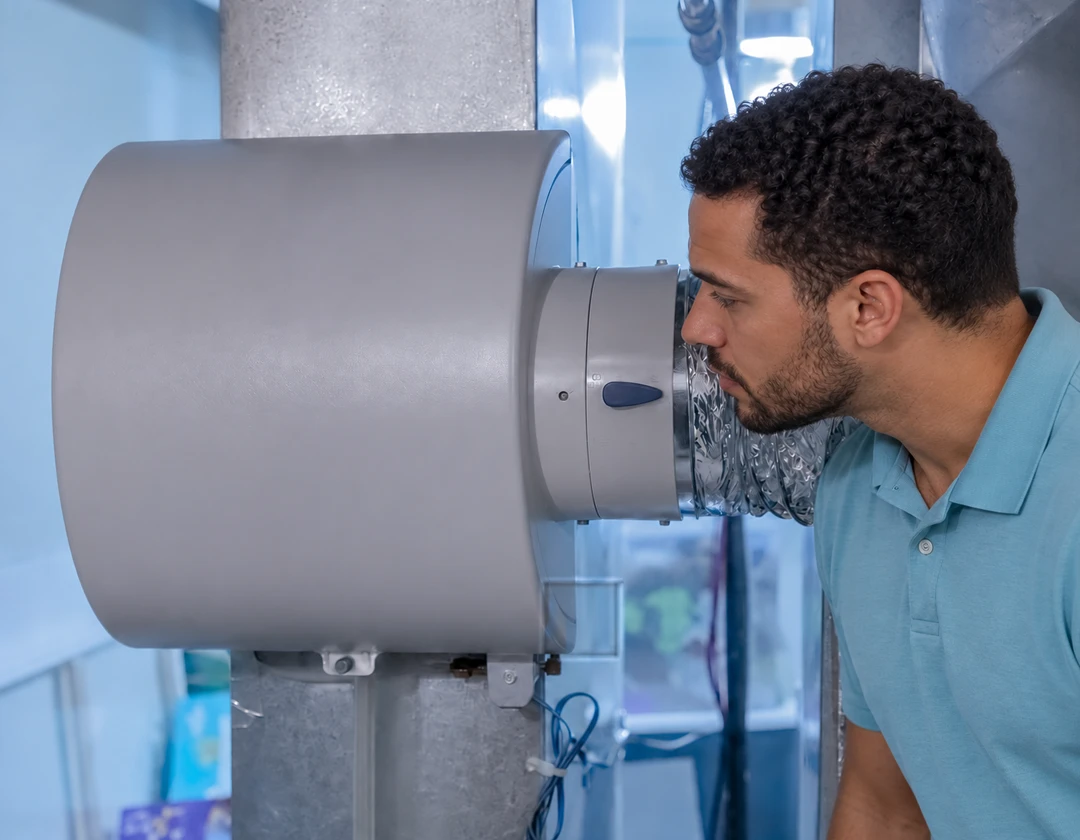
Quick answer: Furnace humidifier maintenance involves annual cleaning of the unit and its water panel, replacing the water panel each fall, checking for leaks and mineral buildup, setting the humidistat correctly for the season, and switching the unit off in warmer months. Regular maintenance can help extend the life of the humidifier and reduce mineral, mold and bacteria buildup.
Furnace humidifiers, also called whole-house humidifiers, keep your home comfortable in dry winter air. Adding moisture to dry indoor air can help relieve discomfort such as dry skin and irritated sinuses and may help reduce problems associated with overly dry conditions, including gaps or cracks in some wood products. They're a quiet, hardworking piece of equipment that most homeowners forget about until something goes wrong.
Here's what to know about keeping yours in good shape.
What Is a Furnace Humidifier?
A furnace humidifier is a unit installed on the ductwork of your forced-air furnace. It adds moisture to the heated air moving through your home. There are three common types:
- Bypass humidifiers move furnace air across a wet water panel using ductwork off the main line
- Fan-powered humidifiers include their own small fan to drive air across the water panel
- Steam humidifiers boil water directly and inject the steam into the airflow
Maintenance varies by humidifier type and manufacturer, so always follow the instructions for your specific unit.
Annual Maintenance: What to Do Each Year
Once a year, usually right before the heating season starts, your humidifier deserves a full checkup.
Turn off the water and power. Before opening the unit, shut off the water supply and turn off the humidifier's power switch.
Remove and inspect the water panel. The water panel (also called an evaporator pad) is where the water evaporates into the air stream. Over a season, it collects mineral buildup, dust, and biological deposits. Most water panels need to be replaced every year, not just cleaned. They're inexpensive and available at any hardware store or online.
Clean the interior. Wipe down the inside of the humidifier housing with a solution of water and white vinegar to remove mineral deposits and any biological buildup. Rinse and dry.
Check the drain line. If your humidifier has a drain line, flush it with water to make sure it's clear. Clogged drains cause leaks.
Inspect the solenoid valve. The valve controls water flow into the unit. Mineral buildup on the valve is a common cause of leaks and can prevent the unit from running at all.
Test the humidistat. Turn the unit back on and set the humidistat to a low setting. Verify that water is flowing to the panel and evaporating properly.
Signs Your Humidifier Isn't Working Properly
The humidifier is doing its job when you don't notice it. When something's off, the symptoms can show up in the house first:
- Cracked skin, chapped lips, or frequent nosebleeds during winter
- Static electricity buildup that wasn't there before
- Wood floors, cabinets, or furniture developing gaps or cracks
- Musical instruments going out of tune faster than usual
- Visible dryness on plants that were fine last year
On the equipment itself, watch for leaks around the unit, water pooling on the floor beneath it, mineral crust visible around the water panel opening, or an odd musty smell coming from the vents.
Common causes of leaks include mineral buildup on the solenoid valve, a clogged drain line, a worn or improperly seated water panel, and incorrect water pressure feeding the unit.
Setting the Humidistat Correctly
Balance matters. Air that's too dry causes the problems above. Air that's too humid causes different problems entirely: window condensation, mildew growth, wood damage from swelling and warping, and reduced air quality.
The target humidity range for indoor air depends on the outdoor temperature. A common guideline is to keep indoor relative humidity between about 30 and 50 percent, adjusting lower when outdoor temperatures drop or if you notice condensation on windows. Follow your humidifier manufacturer's recommendations for your home and climate.
The colder the outdoor air, the lower you want the indoor humidity, because higher humidity levels combined with very cold windows produce condensation that damages window frames and encourages mold.
If you notice frost or heavy condensation on the inside of your windows, the humidistat is set too high for the outdoor temperature.
Turning It Off for Summer
Furnace humidifiers should be shut off during warm months when the furnace isn't running. Running the humidifier without airflow across the water panel causes mold buildup and shortens the life of the unit.
To shut it down for summer:
- Turn off the humidistat
- Shut off the water supply valve going into the unit
- Consider removing the water panel and letting the unit dry completely
Reverse the process in fall, replacing the water panel with a new one before restarting.
When to Repair vs. Replace
Furnace humidifiers typically last 5 to 10 years with proper maintenance. If yours is on the older end of that range and you're facing a significant repair, replacement often makes more sense than fixing an aging unit.
Signs it's time to replace:
- The unit can't hold the humidity you set no matter what you do
- Frequent repairs are stacking up
- The housing is cracked, corroded, or leaking from multiple points
- You've bumped up against the unit's capacity limits as your home has grown
When you're ready to replace, an HVAC professional can assess your home size, existing ductwork, and heating system to recommend the right model and size.
How APHW Fits
APHW's standard plan covers permanently mounted furnace humidifiers, including the pans, housing, motors, fans, humidistats, transformers, valves, and lines. The consumable parts, humidifier pads, media elements, brushes, atomizers, and back flush units are not covered under the plan, since those are meant to be replaced regularly as part of routine maintenance.
If a covered component of your humidifier fails during the coverage period, start a claim with APHW. Once you receive your claim number, you can choose the licensed contractor you trust to diagnose the problem. APHW will then determine coverage before repairs begin, and assist with covered claims.
Ready to Talk Coverage?
If you have questions about what a plan covers for your home's HVAC system, or you want to know how humidifier repairs are handled, we're happy to walk you through it.
Call 800.648.5006, visit aphw.com, or reach out to your APHW Area Sales Manager.
