
Furnace Humidifier Maintenance: What Every Homeowner Should Know
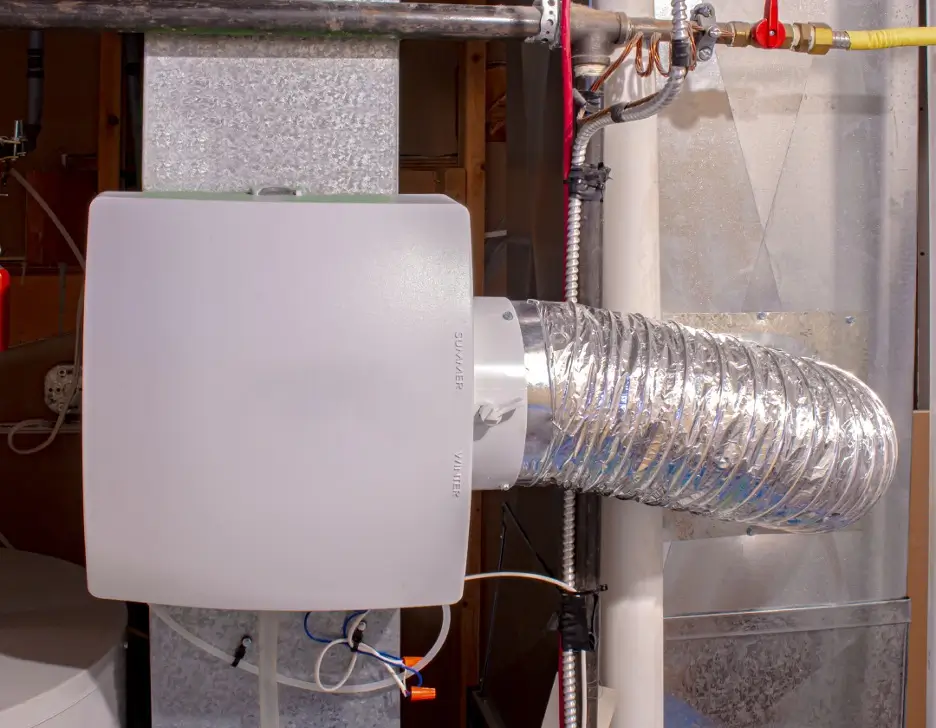
Furnace humidifiers—also known as whole-house humidifiers—can be a game-changer for comfort, air quality, and even your home’s resale value. But like any hardworking appliance, they require routine care to stay efficient and effective.
Whether you’re trying to beat the dry winter air or preserve the condition of your home, here’s what you need to know.
Is Your Furnace Humidifier Clean?
Routine cleaning is essential. At least once a year, your furnace humidifier and its water panel evaporator should be emptied and cleaned. It’s a quick task that pays off in improved performance and longevity.
Neglecting this maintenance—or setting the humidistat too high—can lead to mold and bacteria buildup, or even a drop in indoor air quality.
As with any home system, balance is key. Air that's too dry can cause discomfort and damage, while overly humid air can impact wood surfaces and promote mildew.
Signs Your Humidifier Isn’t Working Properly
If you're noticing signs of dryness—cracked skin, nosebleeds, or even warped wood—it might mean your humidifier is malfunctioning. Beyond visible symptoms, be sure to check for leaks, which may be caused by:
- Mineral buildup on the solenoid valve
- Poor drainage
- A worn or leaky water panel
- Incorrect water pressure
Like most appliances, furnace humidifiers have a lifespan of about 5 to 10 years. If yours is on the older side, it might be time to weigh repair costs against replacement.
When to Consider a Replacement
Sometimes, a humidifier no longer suits your household’s needs—or it’s simply reached the end of its service life. If your system can’t keep up with your home’s humidity needs or requires frequent repairs, it might be time for a new unit.
When that time comes, consult a local HVAC professional. They can assess your home’s size, heating system, and air quality needs to help you choose the right replacement.
Click HERE to get your free quote today!
