
DIY Safety Tips Every Homeowner Needs to Know
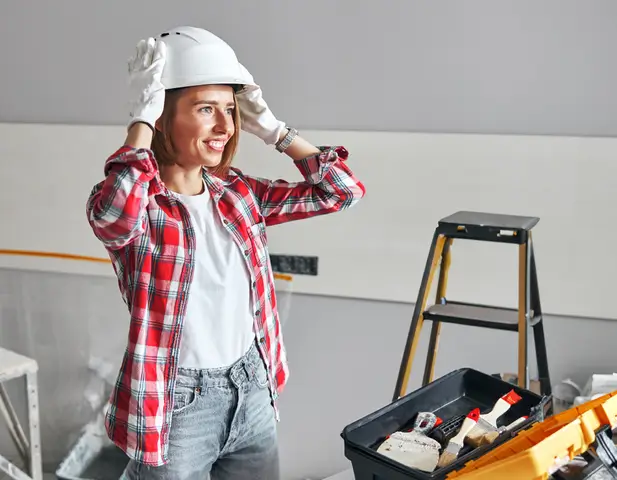
There's something deeply satisfying about tackling a home project yourself. Whether you're finally tiling that backsplash or building the deck you've been dreaming about, DIY projects let you save money and feel like you’ve accomplished something great. Win-win, right?
But here's the thing: Every year, thousands of homeowners end up in the ER because of "simple" weekend projects. Ladder falls. Power tool accidents. Stuff that could've been avoided with a little know-how and a lot of common sense.
So, before you fire up that circular saw, let's talk about how to get the job done without getting hurt.
Know When to Put Down the Drill and Pick Up the Phone
Just because you watched a YouTube tutorial doesn't mean you're ready to rewire your kitchen. Some projects—especially anything involving electrical work, plumbing, or structural changes—are better left to the pros.
Not sure if you're in over your head? That gut feeling? Listen to it. Call a professional or check with your home warranty provider. There's no shame in admitting a project is outside your wheelhouse. You know what is shameful? Flooding your basement because you were too stubborn to ask for help.
Knowing your limits is smart homeownership.
Wear Your Safety Gear Every Time
The fastest way to turn a five-minute task into a hospital visit is skipping safety gear. "It's just a quick cut," you think. "I don't need goggles." And then sawdust ends up in your eye.
.webp)
Don't skip the basics. Stock up on essential protective equipment and actually use it:
- Safety glasses – Protect your eyes from debris and dust
- Gloves – Essential for handling sharp, rough, or chemical materials
- Dust masks or respirators – Necessary when sanding, painting, or working with fumes
- Closed-toe shoes – Work boots are ideal, but at minimum wear sturdy, slip-resistant footwear
You don't need professional-grade equipment for every project, but a few simple pieces of gear can prevent serious injury. You should make these non-negotiable.
Keep Your Workspace Clean and Organized
You know what causes a lot of accidents? Not the tools themselves, but the chaos and clutter around them. Extension cords across the floor. Tools left on the stairs. Sawdust making everything slippery.
Before you start, clean up your work area. Put away anything you don't need. Organize your tools where you can reach them safely. Tuck cords out of walkways. And if you've got kids or pets, make sure they can't wander into the work zone.
A messy workspace can be a dangerous place. Take five minutes to tidy up before you start.
Respect Your Tools and Read the Manual
Every tool you own—from a simple hammer to a powerful table saw—can cause injury if you're not careful. Most accidents happen because someone got overconfident or skipped checking out the instruction manual.
Here's your assignment: Read the manual. Yes, even if it seems boring. Manufacturers include safety guidelines for important reasons, not just legal protection.
A few essential rules:
- Never disable safety features on your tools.
- Don't force a tool to do something it wasn't designed for.
- Inspect your equipment before and after every use—frayed cords, cracked blades, and loose parts are accidents waiting to happen.
Treat every tool like it demands your full attention. Because it does. (Something else you might consider are possible recalls on appliances. We have a full blog post about this very thing—check it out here.)
Master Ladder Safety Basics
Falls from ladders are one of the top causes of DIY injuries, and they're almost always preventable. Most people fall because they got comfortable and cut corners.
.webp)
Follow these fundamentals every single time:
- Set your ladder on flat, stable ground (never on uneven surfaces or makeshift platforms).
- Use the right height ladder for the job—no overreaching and no standing on the top rung.
- Keep three points of contact while you climb: two hands and a foot, or two feet and a hand.
- Don't carry tools while climbing. Use a tool belt or have someone hand them up to you.
If something feels unstable, stop and reposition. Take your time. No task is worth a broken bone or worse. Seriously.
Know What's Behind Your Walls
What's behind your drywall right now? If you're not completely sure, you need to be careful. One wrong drill and you could hit a live wire or burst a water pipe. Neither makes for a good day.
Before you start cutting or drilling into walls, use a stud finder with wire detection. It's a simple step that prevents major problems. And if you're digging outside, call 811 first. It's a free service that marks underground utilities like gas, water, and power lines.
A little planning protects both your project and your safety. The more you know up front, the better off you’ll be in the long run.
The Bottom Line
DIY projects are rewarding. They save you money, give you a sense of accomplishment, and make your house feel more like home. But none of that matters if you end up injured.
Take the safety basics seriously. Know your limits. Wear your gear. Respect your tools. Keep your workspace clean. And most of all, be careful on that ladder every single time.
Your home will still be there tomorrow. Make sure you are too.