
DIY Home Energy Audit: Save Energy Without Sacrificing Comfort
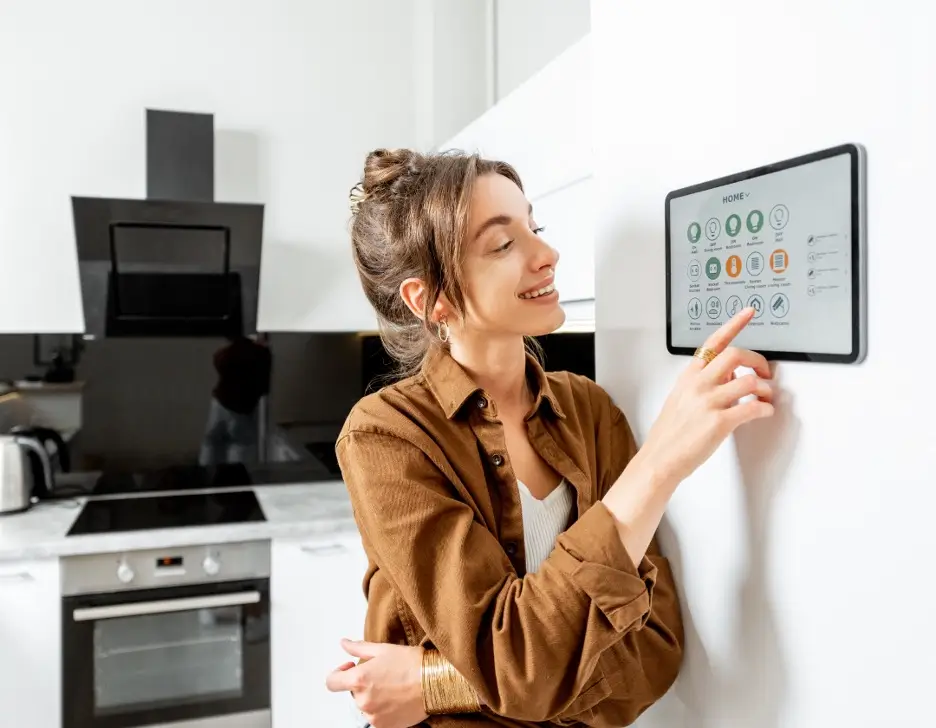
The average American household spends over $2,150 a year on electricity and natural gas, according to move.org. While it might be tempting to go to extremes to cut costs, you don’t have to swap light bulbs for lanterns to make a difference. A simple do-it-yourself home energy audit can help you find smarter ways to save—without sacrificing comfort.
Step 1: Stop Letting Money Fly Out the Window (or Door)
Proper sealing plays a huge role in keeping your home energy-efficient. Start by checking the following:
Doors and Windows
Old seals can let air sneak in or out, forcing your heating and cooling systems to work overtime. Replacing worn-out seals—especially on windows—can quickly make your home more comfortable and your energy bills lower.
Appliance Seals
Fridges and freezers with damaged seals can quietly drain energy. Double-check that your refrigerator and freezer doors close securely and feel cool around the edges.
Attics and Ductwork
According to the U.S. Department of Energy, checking insulation in your attic and around ducts can also improve airflow and reduce wasted energy. Keep furniture and dust away from vents to avoid blocking circulation.
Step 2: Unplug the Energy Vampires
Even when you’re not using them, electronics and devices draw power. The Natural Resources Defense Council reports that idle electronics account for roughly 25% of total household energy use.
Solutions:
- Use smart plugs to cut off electricity to idle devices.
- Manually unplug anything that doesn’t need to stay powered on.
Step 3: Upgrade to Energy Star Appliances
Energy Star–rated appliances may cost more upfront, but they’re designed to slash long-term energy costs—by up to 90%, according to energystar.gov. Here’s what you can expect:
- Refrigerators: ~$50/year to operate
- Water heaters: Up to $3,500 in lifetime savings
- Dishwashers: Save ~$35/year and 1,900 gallons of water
- Bulbs: Use as little as 10% of the energy of traditional bulbs
- Washers: Cut energy use by 25% and water use by 33%
When it’s time to replace an appliance, choose one with the Energy Star label for maximum savings.
Step 4: Use Your Whole House Fan (If You Have One)
Whole house fans—typically installed in the attic—can pull cooler outdoor air into your home on low-humidity days. They’re especially handy during spring and fall, or cool evenings in summer. Using one instead of central A/C can help you avoid those sky-high bills.
Step 5: Embrace Smart Energy-Saving Devices
Smart devices let you manage your home’s energy use with ease. Many can be controlled through your phone, tablet, or voice assistant, making it simple to adjust as needed. Options include:
- Smart bulbs
- Smart thermostats
- Smart power strips
- Smart plugs
These tools help you track, automate, and reduce energy usage—without changing your routine.
Step 6: Call in the Experts
If you want deeper insight, many utility companies offer professional home energy audits—often at little or no cost. A specialist can pinpoint inefficiencies and suggest rebates, tools, or programs to reduce your usage.
Bonus tip: Perform your DIY audit twice a year—once before peak heating season, and once before summer cooling kicks in.
With a few simple steps and ongoing awareness, you can take control of your energy use, lower your bills, and make your home more efficient year-round.
Click HERE to get your free quote today!
