
Built-In Microwave Maintenance: How to Make It Last Longer
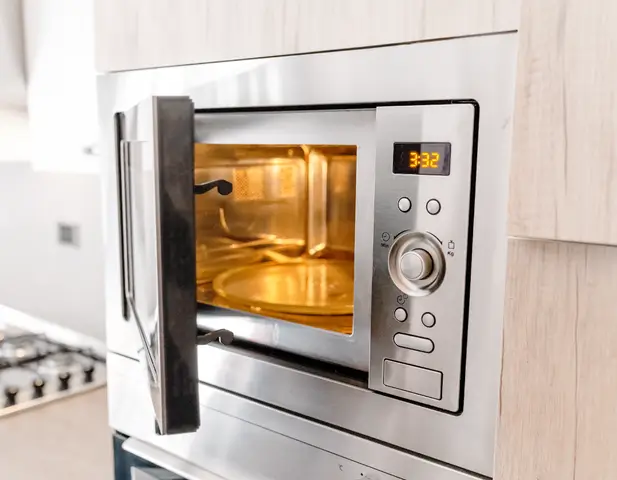
A built-in microwave is more than a kitchen convenience. It's a daily workhorse. From quick breakfasts to reheated leftovers, it saves time and keeps your routine on track. But like any appliance, it won’t last forever unless you take care of it.
At America’s Preferred Home Warranty, we offer coverage for your appliances, including built-in microwaves. But the first line of defense is proper upkeep. Regular maintenance can extend the life of your microwave, prevent costly repairs, and keep your kitchen running smoothly throughout the year.
Here’s what every homeowner should know about caring for a built-in microwave.
Why Built-In Microwaves Need Special Attention
Built-in microwaves are different from countertop models. They are installed directly into your kitchen cabinets or walls, often over the range or in an appliance wall unit. This creates a clean, seamless look. However, it also means poor maintenance can lead to bigger issues.
Improper cleaning, blocked vents, or unnoticed damage can cause the unit to overheat or break down. And unlike a portable model, built-in units are not easy—or cheap—to replace.
A little routine care goes a long way.
1. Clean It Weekly—Inside and Out
Microwaves get messy fast. Spills, splatters, and steam build up every time you heat food. If you ignore it, those food particles harden, trap odors, and affect performance.
Inside the Microwave
Wipe the inside at least once a week. Use a soft cloth with warm water and mild dish soap. Avoid harsh chemicals or abrasive scrubbers.
.webp)
For tough stains or smells, heat a bowl of water with a splash of vinegar or lemon juice for 2–3 minutes. Let it sit with the door closed for another 5 minutes. The steam will loosen grime and neutralize odors. Then wipe clean.
Avoid using the microwave when there’s food residue inside. It can absorb the microwaves and cause scorching or arcing.
Outside the Microwave
Don’t forget the control panel and handle. These areas collect oils and germs from frequent use. Use a damp cloth and gentle cleaner. Dry with a soft towel.
2. Check the Door Seal and Hinges
The microwave door must close fully and evenly for it to operate safely. If the seal is worn or the door is loose, microwaves can leak. That’s both a performance and safety hazard.
Check the door gasket and hinges monthly. If the door wobbles or doesn’t latch well, stop using the unit and call a technician. Never try to force it shut or tape it closed.
3. Keep the Vents Clear
Built-in microwaves often have exhaust fans, especially over-the-range models. These vents pull heat and smoke away from your stove and help cool the microwave.
If the filters or vent openings are clogged, the microwave may overheat.
What to Do:
- Clean grease filters every month with warm soapy water or replace if disposable.
- Wipe the vent area with a damp cloth to remove dust and buildup.
- Make sure airflow around the unit isn’t blocked by objects inside your cabinets.
If the fan gets loud or doesn’t seem to be working, it’s time for service.
4. Avoid Metal or Unsafe Containers
This may sound obvious, but it’s worth repeating. Never put metal or foil inside the microwave. Even a fork left in a bowl can cause sparks or damage.
Use microwave-safe containers only. Look for the label or check the manufacturer’s instructions. If you're not sure, test the dish by microwaving it empty (with a cup of water next to it) for 30 seconds. If it gets hot, don’t use it.
5. Don’t Slam the Door
Microwave doors are sensitive. Slamming them shut can loosen the latch or damage the internal switch, which can prevent the unit from starting. Always close the door gently but firmly.
Also, don’t pull the door open mid-cycle without pausing it first. This puts stress on the mechanics.
6. Schedule an Annual Inspection
Even if everything seems fine, it’s smart to check your microwave yearly. Look for signs of wear, odd smells, or uneven heating. If it’s taking longer than usual to heat food, that may be a sign of a failing magnetron or sensor.
.webp)
If your microwave is under warranty, check what’s covered. A home warranty from APHW may cover built-in microwaves, which can save you time and money on repairs or replacement.
7. Know When It’s Time to Replace
Most microwaves last 7 to 10 years with good care. If your unit is older and needs frequent repairs, it may be more cost-effective to replace it.
Warning signs include:
- Loud buzzing or grinding noises
- Uneven cooking
- The door won’t latch
- Control panel malfunctions
- Visible sparks during use
If you do replace it, make sure a licensed technician handles the installation, especially for built-in units.
Final Thoughts
Built-in microwaves are designed for long-term use, but only if you give them the care they need. A few simple habits—such as cleaning spills, checking the door, and keeping the vents clear—can help your microwave work better and last longer.
At America’s Preferred Home Warranty, we’re here to help with what matters in your home. While you focus on maintenance, we’ll be here in case things go wrong.
If your built-in microwave is covered under your plan and something breaks, you get to choose your own licensed contractor for all covered repairs.
Click HERE to get your free quote today!
